

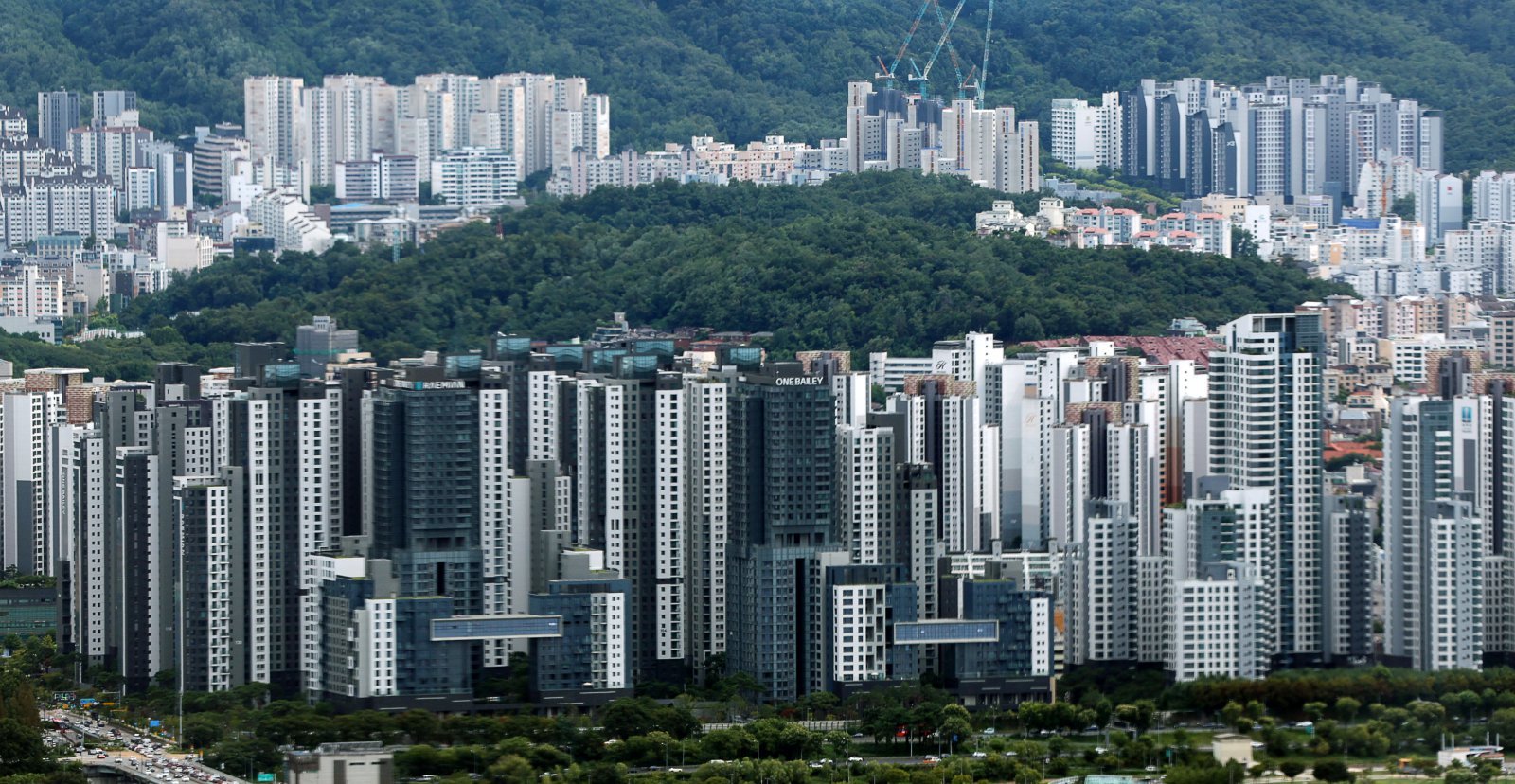

South Korea to speed up factory permits for semiconductor clusters, offer tax breaks
Translated from Korean, summarized and contextualized by DistantNews.
At a glance
News
Sources not specified
New plan
- South Korea will revise laws to expedite construction permits for factory expansions in large industrial complexes, particularly for semiconductor clusters.
- A non-profit organization, Trinity Fab, which operates a semiconductor testbed, will receive a tax exemption on donations until 2031.
- These measures aim to accelerate investment and support innovation in the semiconductor industry.
South Korea is set to streamline regulations to accelerate factory expansions, especially within semiconductor industrial clusters. The government announced a plan to revise the Building Act, allowing separate permits for factory expansions within designated industrial complexes. Currently, expanding a factory often requires halting construction of the existing structure to obtain a modified permit.
This is to support the early execution of approximately 2.5 trillion won in investment.
The revised law will enable new permits for expansion projects, allowing existing construction to continue uninterrupted. This change is expected to shorten factory expansion timelines and expedite related investments. The Ministry of Economy and Finance estimates this will support approximately 2.5 trillion won (about $1.8 billion) in early investments.
Additionally, Trinity Fab, a non-profit organization established to operate a semiconductor testbed for materials, components, and equipment (SoC), will benefit from a new tax exemption. The organization will be exempt from gift tax on assets received until 2031. The Ministry stated this exemption is necessary given the project's public interest, co-funded by national and private entities, and its aim to foster cooperation.
Considering the national funding (50%), the decision-making body composed of public and private entities, and the spirit of mutual growth, it was judged that a reduction in gift tax burden is necessary.
Other support measures include expanding eligible industries in national industrial complexes to include battery recycling, facilitating green space rezoning for bio-manufacturing facilities, and adding food and beverage manufacturing to the list of eligible businesses in the Iksan National Food Cluster. The government also plans to refine safety standards for collaborative robots used alongside workers.
We plan to continue managing the tasks included in this measure to ensure they lead to actual investment, and to promptly prepare and announce a second set of measures focusing on super-innovative economic leading projects and green industries, thereby actively supporting corporate innovation and investment.
DistantNews Editorial
Originally published by Hankyoreh in Korean. Translated, summarized, and contextualized by our editorial team with added local perspective. Read our editorial standards.
More Stories


From Our Blog

What Gets Lost (and Found) When News Is Translated

The Critical Role of Diaspora Media in Global News

What Travellers Should Know About Countries with Restricted Press

A Digital Nomad's Guide to Following Local News

How the Same Story Looks Different in Different Countries
