

South Korea to Supply Over 230,000 Homes in Seoul Metro Area, Accelerating Projects
Translated from Korean, summarized and contextualized by DistantNews.
At a glance
News
Sources not specified
New plan
- South Korea's government plans to supply over 230,000 housing units in the Seoul metropolitan area, including new sites in Gangseo, Namyangju, and Gwangju.
- The plan aims to stabilize the real estate market by increasing housing supply and accelerating existing projects, with 100,000 units slated for construction by 2030.
- Critics question the execution speed of previous supply plans, emphasizing the need for practical implementation, while the government highlights efforts to utilize even damaged greenbelt areas for development.
South Korea's government announced plans to supply more than 230,000 housing units in the Seoul metropolitan area, including the creation of new housing sites in Gangseo, Namyangju, and Gwangju. This initiative, following an earlier supply of 60,000 units in January, aims to stabilize the real estate market by boosting housing availability. The government intends to commence construction on 100,000 of these new units by 2030.
The plan also focuses on accelerating existing housing projects to quell anxieties in the property market. However, concerns linger about the execution pace of previous housing supply measures, such as the 9.7 and 1.29 supply plans. Experts stress the importance of practical implementation to ensure the success of these new initiatives.
We agree with the Seoul mayor's statement about preserving the greenbelt, but we are proceeding with construction in areas that have already been significantly damaged.
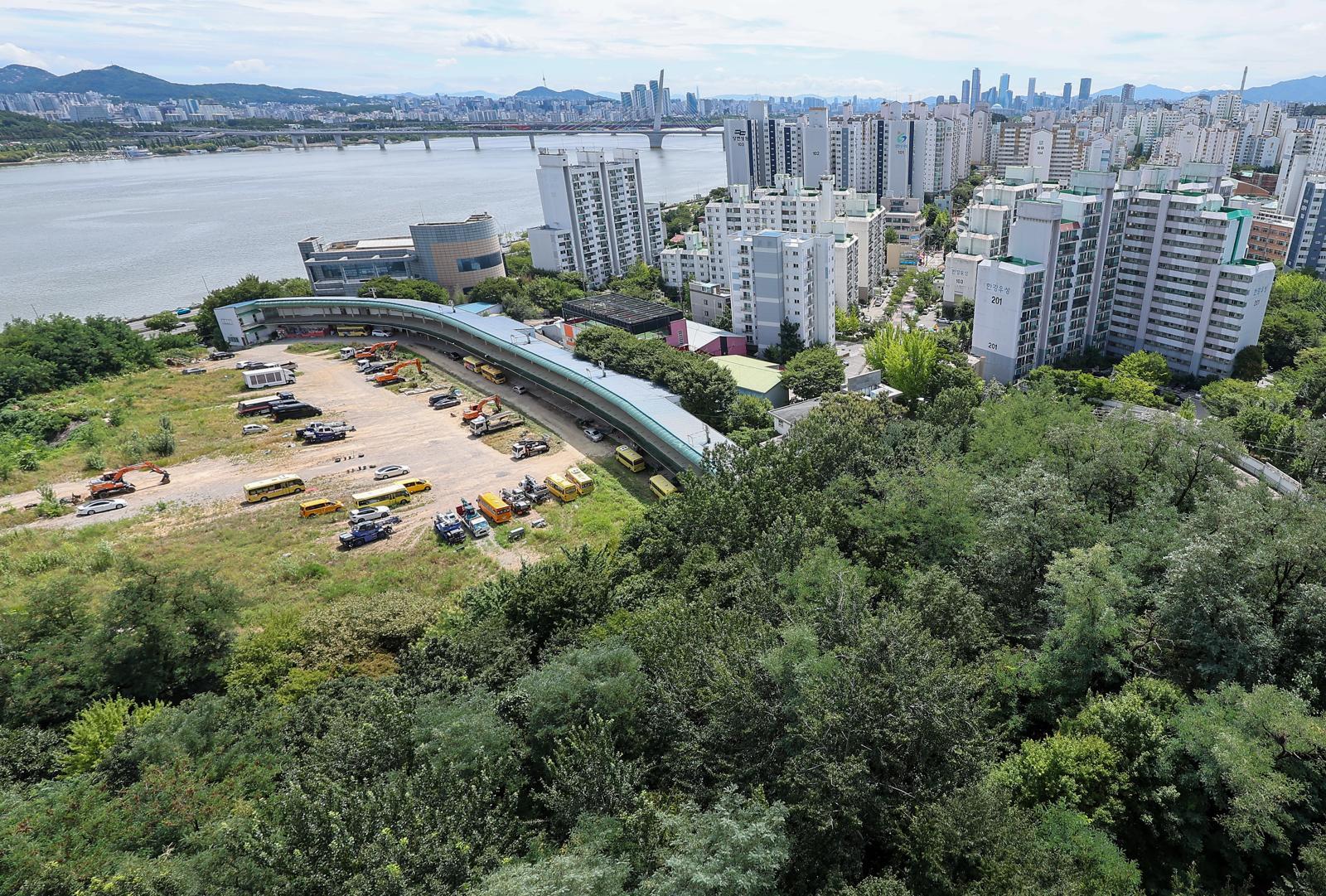
Key development sites include a 2.28 million square meter greenbelt area in Namyangju, set to house 21,700 units, with construction planned to begin in the first half of 2030. In Seoul, the 20-year-vacant Yeomchang Park site in Gangseo will accommodate 1,000 units. Another project near Gyeonggang Line's Gwangju Station will provide 4,500 units, designed as specialized housing for young people commuting to Pangyo and Yongin.
While the supply volume in Seoul is small, it is meaningful in that it includes measures to accelerate private redevelopment, which will lead to increased supply. The effect will be greater if greenbelts are included in additional new public housing sites.
While the government aims to announce an additional 73,000 housing units soon, it has temporarily designated all greenbelt areas in Seoul as restricted land transaction zones to signal its intent to use these areas for housing. Minister of Land, Infrastructure and Transport Kim Hyun-mee acknowledged concerns about preserving greenbelts but stated the focus would be on already significantly damaged areas. Despite these efforts, new public housing sites in Seoul amount to only 1,000 units, with a total of 2,600 units including other development types. The government expects further increases through urban regeneration projects.
To expedite construction, the government plans to shorten environmental impact assessments and disaster risk reviews for new sites. Compensation processes will run parallel to basic surveys and appraisals. Major projects like the Taereung Golf Course and Gwacheon Racecourse are also being fast-tracked. The Yongsan International Business District is slated for housing construction to begin by late 2028. Experts like Lee Chang-mo from Hanyang University see potential in accelerating private redevelopment projects, while Koh Jun-seok from Yonsei University cautions that the realization of these plans depends heavily on resolving compensation issues and ensuring practical execution.
It would be a great help if the government could shorten the construction period as planned, but it is unclear whether it can be realized due to issues like compensation. Execution seems as important as the plan.
DistantNews Editorial
Originally published by Dong-A Ilbo in Korean. Translated, summarized, and contextualized by our editorial team with added local perspective. Read our editorial standards.
More Stories



From Our Blog

What Gets Lost (and Found) When News Is Translated

The Critical Role of Diaspora Media in Global News

What Travellers Should Know About Countries with Restricted Press

A Digital Nomad's Guide to Following Local News

How the Same Story Looks Different in Different Countries
