


South Korea to Tier Industrial Electricity Rates to Aid Regional Industries
Translated from Korean, summarized and contextualized by DistantNews.
At a glance
News
Named sources
New plan
- The South Korean government plans to implement a tiered industrial electricity pricing system across four regions to support local industries.
- The plan aims to lower electricity costs for industries like steel and petrochemicals located far from the capital region.
- The government will also mandate solar panel installation on factory roofs and improve systems for households to receive cash for surplus solar power.
South Korea's government is pushing a new policy to differentiate industrial electricity rates across four regions, aiming to bolster industries located away from the Seoul metropolitan area. This initiative seeks to reduce cost burdens for sectors such as steel and petrochemicals, which are heavily reliant on electricity and often situated far from power generation sources.
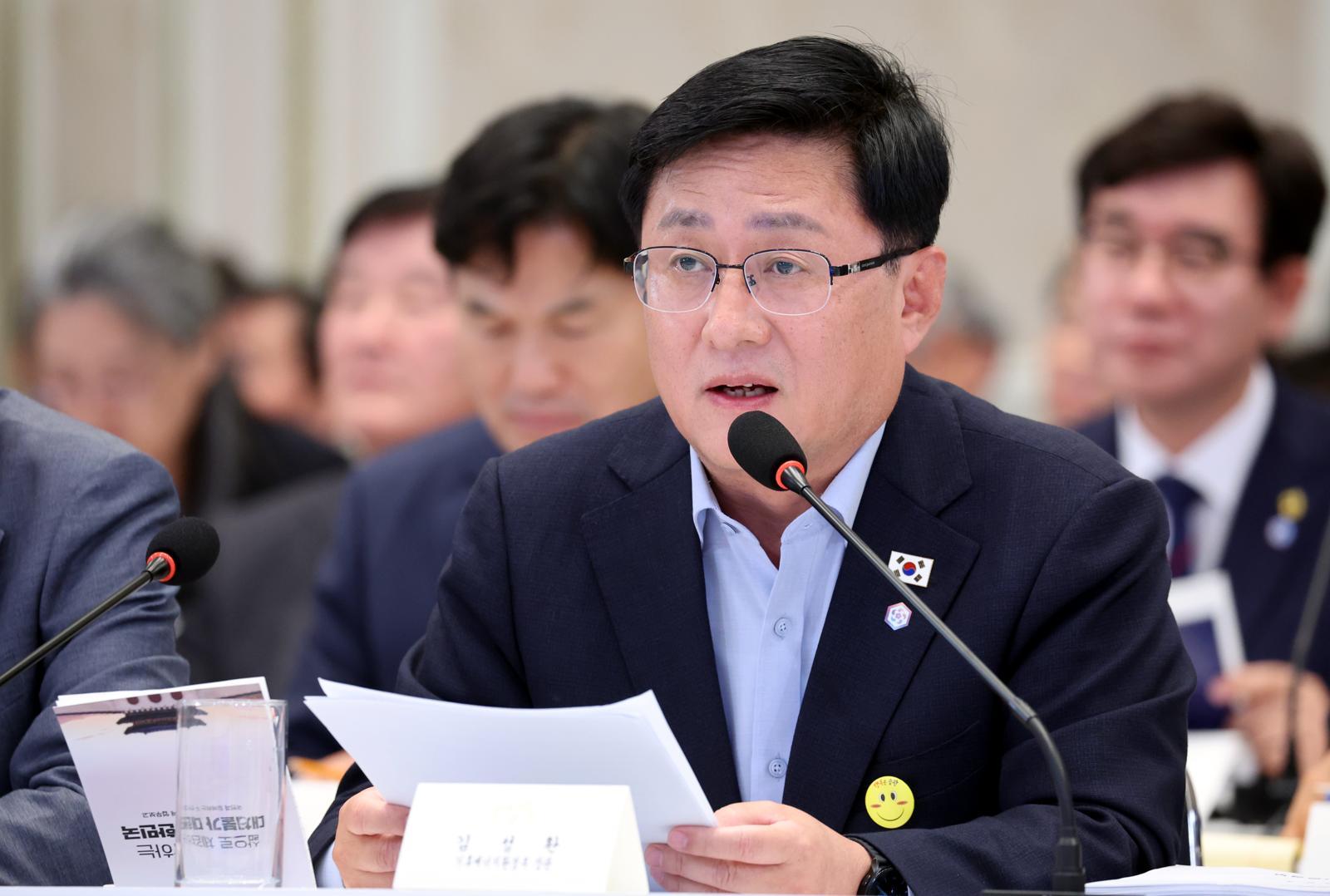
The Ministry of Climate, Energy and Environment announced the plan, which will be revealed in detail at a public hearing in the third week of August. The tiered pricing will consider factors like transmission costs, regional power supply and demand, and balanced national development. Minister Kim Sung-hwan stated the goal is to "appropriately reflect" transmission line usage fees, power grid flow, and balanced development, potentially leading to differentiated rates for "industries with high electricity consumption like steel or petrochemicals."
We are tentatively planning to differentiate [rates] into four categories, appropriately reflecting the three variables of transmission line usage fees, power grid flow, and balanced national development.
To accelerate the acquisition of 100GW of renewable energy capacity, the government also plans to mandate solar panel installations on factory roofs and expand large-scale solar farms in reclaimed and border areas. Furthermore, a "personal sunlight income" system will be introduced, allowing households with small-scale solar power systems (under 10kW) to receive cash for surplus electricity, a change from the current net metering system which only reduces electricity bills. The government also intends to bolster energy storage systems and pumped hydro storage to mitigate the intermittency of solar and wind power.
Discussions are also underway regarding the construction of new large-scale nuclear reactors and small modular reactors (SMRs), with decisions to be included in the 12th Basic Plan for Long-Term Electricity Supply and Demand. A plan to restructure five public power generation companies is expected by the third quarter. Additionally, the government is considering a separate electricity rate system for AI data centers and plans to establish a "Power Supervisory Agency" to oversee the power grid and market.
Industries like steel or petrochemicals, which have high electricity consumption, are complaining about the difficulty of paying electricity bills. We are thinking of differentially lowering electricity rates to help restore the competitiveness of industries located far from the Seoul metropolitan area, even if only slightly.
DistantNews Editorial
Originally published by Dong-A Ilbo in Korean. Translated, summarized, and contextualized by our editorial team with added local perspective. Read our editorial standards.
More Stories

From Our Blog

What Gets Lost (and Found) When News Is Translated

The Critical Role of Diaspora Media in Global News

What Travellers Should Know About Countries with Restricted Press

A Digital Nomad's Guide to Following Local News

How the Same Story Looks Different in Different Countries
