


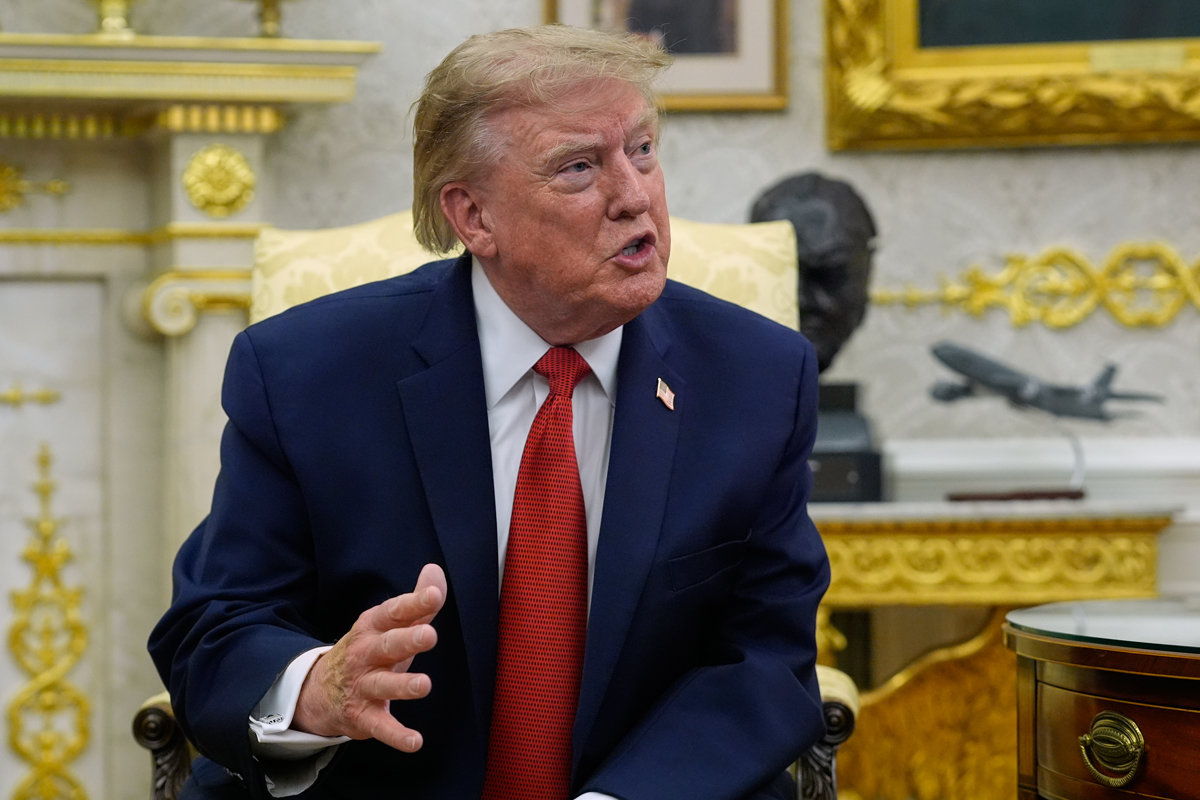
South Korea-U.S. joint drills halved, counter-attack phase canceled
Translated from Korean and summarized by DistantNews. Read the original for the full story.
At a glance
News
Named sources
Ongoing story
- The South Korea-U.S. joint military exercise 'Ulchi Freedom Shield' (UFS) is reportedly being halved in duration.
- The first phase, focusing on defensive operations, will be completed as scheduled, but the second phase involving counter-attacks will be canceled.
- The reduction follows a directive from U.S. President Donald Trump to significantly scale back the drills.
The annual South Korea-U.S. joint military exercise, 'Ulchi Freedom Shield' (UFS), is set to be significantly shortened, with its second phase canceled. The exercise, originally scheduled to run for two weeks, will now conclude after just one week, according to multiple government sources.
The decision to reduce the drills stems from a directive issued by U.S. President Donald Trump, who reportedly instructed Defense Secretary Mark Esper on June 16 to substantially scale back the joint training. This adjustment to an exercise already in progress is considered unusual.
Sources indicate that the allies agreed to conclude UFS after one week, cutting short the planned two-week duration. The exercise consists of computer simulations for command post training (CPX) and field maneuvers. While the first phase, focusing on defensive operations against North Korean provocations, will proceed until June 21 as planned, the second phase, which involved simulated counter-offensive operations against North Korea and was scheduled to run until June 27, has been canceled.
North Korea has consistently protested the UFS exercises, particularly those involving offensive capabilities, viewing them as rehearsals for invasion. The U.S. decision to curtail the drills appears to be a concession aimed at de-escalating tensions and facilitating dialogue with Pyongyang.
About this summary
Originally published by Dong-A Ilbo in Korean. Translated, summarized, and contextualized automatically by DistantNews, with a note on how the source frames the story. Not individually reviewed before publishing. How this works.
More Stories


From Our Blog

What Gets Lost (and Found) When News Is Translated

The Critical Role of Diaspora Media in Global News

What Travellers Should Know About Countries with Restricted Press

A Digital Nomad's Guide to Following Local News

How the Same Story Looks Different in Different Countries
