


South Korean education chiefs fight proposed grant cuts
Translated from Korean, summarized and contextualized by DistantNews.
At a glance
News
Sources not specified
Context piece
- South Korean provincial education superintendents oppose a proposed revision to the local education finance equalization grant calculation method.
- The Ministry of Economy and Finance plans to link the grant calculation to declining student populations and economic growth rates, moving away from the current 20.79% of national tax revenue.
- Education officials argue this change would destabilize education funding and undermine constitutional guarantees of educational autonomy and equity.
Provincial education superintendents in South Korea are strongly opposing a proposed overhaul of the local education finance equalization grant, arguing it threatens the future of education.
Changing the method of calculating the local education finance equalization grant is tantamount to abandoning future education.
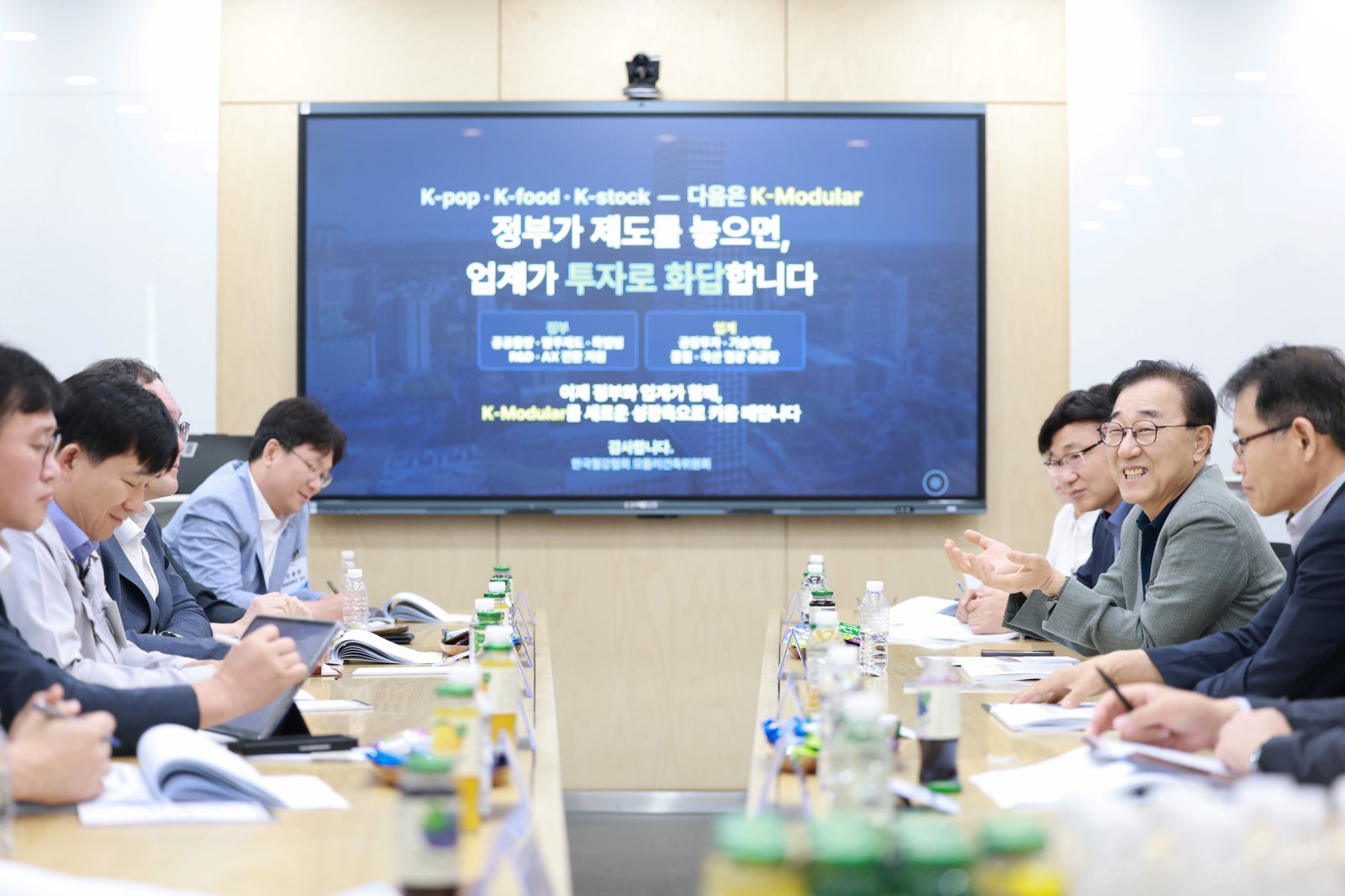
The Ministry of Economy and Finance is pushing to change how the grant is calculated. Currently, it's tied to 20.79% of national tax revenue. The ministry wants to link it instead to declining student populations and economic growth rates. Education officials held an emergency meeting to voice their dissent.
Education finance is not merely an issue of fiscal efficiency, but a matter concerning the autonomy of education guaranteed by the Constitution and the right to equal education.
They argue that altering the calculation method would make education funding dependent on the government's fiscal situation each year. Even if student numbers decrease, fixed costs like teacher salaries and school operating expenses remain, meaning education costs don't fall proportionally. They believe this change undermines the constitutional guarantees of educational autonomy and equal educational opportunities.
If the grant calculation method changes to a structure that depends on the discretionary judgment and negotiation of the financial authorities each year, the stability of education finance will inevitably be subordinated to the variables of the national fiscal situation.
While agreeing with the government's goal to increase investment in early childhood, higher, and lifelong education, the superintendents insist this should not come at the expense of primary and secondary education funding. They are calling for stable financial resources and concrete cooperation plans involving local governments, education offices, and universities. The group vowed to "resolutely respond" to any attempts to alter the foundational 20.79% link to national taxes, urging the government to immediately halt the unilateral revision process.
We will clearly state that we will resolutely respond to any attempt to shake the foundation of the link to national tax revenue and the grant rate of 20.79%.
DistantNews Editorial
Originally published by Hankyoreh in Korean. Translated, summarized, and contextualized by our editorial team with added local perspective. Read our editorial standards.
More Stories


From Our Blog

What Gets Lost (and Found) When News Is Translated

The Critical Role of Diaspora Media in Global News

What Travellers Should Know About Countries with Restricted Press

A Digital Nomad's Guide to Following Local News

How the Same Story Looks Different in Different Countries
