

South Korean Election Commissioners Criticized for Refusing Parliamentary Hearing
Translated from Korean, summarized and contextualized by DistantNews.
At a glance
Opinion
Sources not specified
Under investigation
- South Korean election commissioners refused to attend a parliamentary hearing on ballot shortages, drawing criticism for "collective defiance."
- Commissioners eventually appeared after facing backlash, but some still refused to testify.
- The incident highlights concerns about the election commission's accountability and transparency.
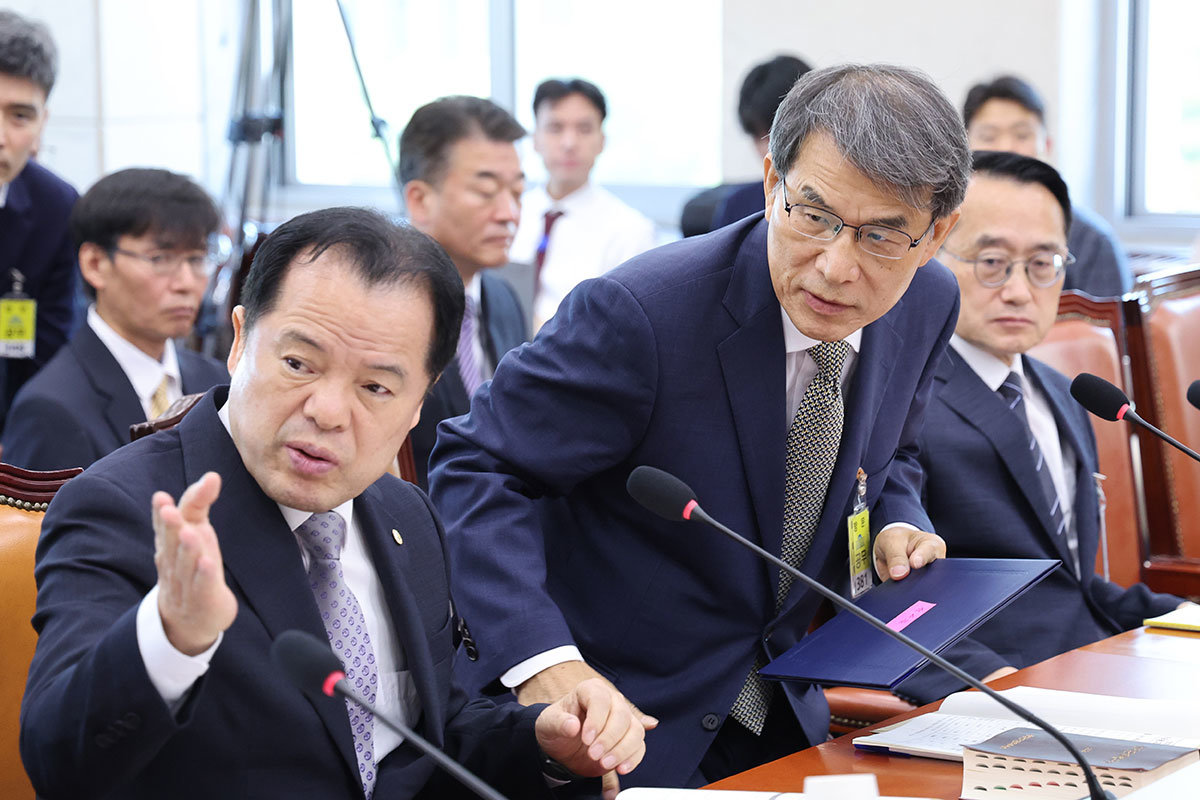
South Korean election commissioners faced widespread criticism for initially refusing to attend a parliamentary hearing investigating a ballot shortage incident during the recent local elections. The commissioners were accused of "collective defiance" against the public and the National Assembly.
Initially, only three of the nineteen former and current election commissioners summoned appeared for the hearing on June 23. Among them was former Central Election Commission Chairman Noh Tae-ak. Out of the eight current commissioners, only one, standing commissioner Wi Cheol-hwan, attended. The remaining seven non-standing commissioners had notified the National Assembly of their non-attendance. Following strong rebukes from lawmakers, five commissioners appeared later in the afternoon, but two still refused to attend.
During the hearing, inconsistencies emerged regarding whether the commissioners were aware of a directive issued in November to lower the minimum ballot print run to 50% of the electorate. Even with the release of meeting minutes, only two of the seven commissioners claimed to recall the directive. Former Chairman Noh Tae-ak, who presided over the meeting, also stated he could not remember. The directive was reportedly processed by the Secretary-General without the commissioners' discussion, indicating a failure to fulfill basic oversight duties.
Further complicating matters, the Election Commission revised its account of the number of polling stations that received additional ballots and the timeline of the Songpa District Election Commission's initial awareness of the issue. Twenty days after the incident, basic facts remain inconsistent, raising serious doubts about the commission's reliability and accountability. The refusal of key officials, including the former Seoul Election Commission Chairman Oh Min-seok and former Songpa District Election Commission Chairman Min So-young, to appear until the afternoon, and their subsequent evasiveness, underscored the perceived irresponsibility of the institution.
DistantNews Editorial
Originally published by Dong-A Ilbo in Korean. Translated, summarized, and contextualized by our editorial team with added local perspective. Read our editorial standards.
More Stories


From Our Blog

What Gets Lost (and Found) When News Is Translated

The Critical Role of Diaspora Media in Global News

What Travellers Should Know About Countries with Restricted Press

A Digital Nomad's Guide to Following Local News

How the Same Story Looks Different in Different Countries
