


South Korean Household Debt Rises for Second Month; Funds Shift from Deposits to Stocks
Translated from Korean, summarized and contextualized by DistantNews.
At a glance
News
From a news agency
New plan
- Household loans at South Korea's five major banks increased by over 3.8 trillion won in July, marking the second consecutive month of significant growth.
- Despite government regulations, rising housing demand and "debt-buying" (bitu) for stock investments continue to fuel loan increases.
- In response to stock market volatility, there's a noticeable "reverse money move" as funds shift from demand deposits to fixed deposits, with demand deposits decreasing by 52 trillion won and fixed deposits increasing by 25 trillion won.
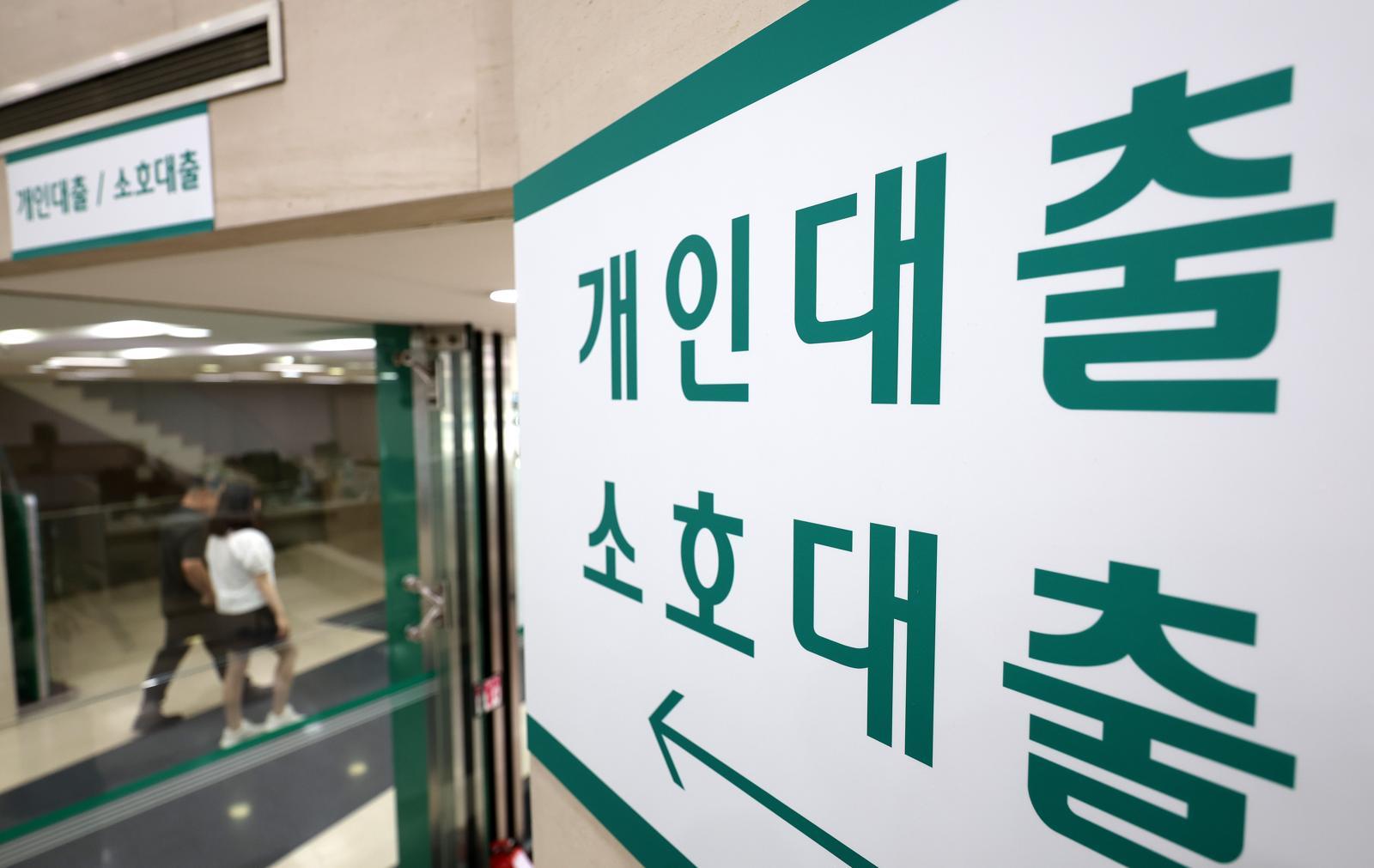
Household loans at South Korea's five largest banks (KB Kookmin, Shinhan, Hana, Woori, and NH Nonghyup) continued their upward trend, increasing by approximately 3.83 trillion won in July. This marks the second consecutive month that household debt has grown by around 4 trillion won, indicating persistent expansion despite stringent government regulations.
The growth is attributed to a combination of factors, including continued demand for housing purchases and ongoing "debt-buying" (bitu) for stock market investments. Mortgage loans saw a 2.28 trillion won increase, marking the fourth consecutive month of growth, while personal credit loans rose by 1.38 trillion won. However, loans for housing leases (jeonse) decreased by 650.5 billion won.
In a notable shift, the financial market is witnessing a "reverse money move" as investors pull funds from demand deposits and move them into fixed deposits. Demand deposits, often considered a holding place for investment funds, decreased by about 52 trillion won in the past month. Conversely, fixed deposits saw an increase of approximately 25 trillion won, likely influenced by banks raising interest rates to around 3% to attract savings.
Corporate lending also showed mixed trends. Loans to small and medium-sized enterprises (SMEs) increased by 1.53 trillion won, reversing a decline seen in June. Loans to large corporations also grew by 1.58 trillion won, continuing a seven-month streak of increases. The article also touches upon government efforts to manage collective loan limits for new apartment complex settlements, with President Lee Jae-myung ordering supplementary measures to address potential harm to buyers with pre-existing contracts.
DistantNews Editorial
Originally published by Dong-A Ilbo in Korean. Translated, summarized, and contextualized by our editorial team with added local perspective. Read our editorial standards.
More Stories



From Our Blog

What Gets Lost (and Found) When News Is Translated

The Critical Role of Diaspora Media in Global News

What Travellers Should Know About Countries with Restricted Press

A Digital Nomad's Guide to Following Local News

How the Same Story Looks Different in Different Countries
