


South Korean insurers' loan assets grow $1.5B in Q2, but delinquency and bad debt rates rise
Translated from Korean and summarized by DistantNews. Read the original for the full story.
At a glance
News
Sources not specified
Context piece
- Insurers' total loan assets in South Korea grew by 1.9 trillion won in the second quarter, reaching 266 trillion won.
- Both delinquency rates and non-performing loan ratios saw an increase compared to the previous quarter.
- The Financial Supervisory Service attributed the rise to economic volatility and a slow recovery, vowing to strengthen asset quality management.
South Korean insurance companies saw their total loan assets expand by 1.9 trillion won (approximately $1.5 billion USD) in the second quarter, reaching a total of 266 trillion won by the end of June. This growth, a 0.7% increase from the previous quarter, was driven by a 1.6 trillion won rise in household loans and a 300 billion won increase in corporate loans.
However, this expansion in lending has been accompanied by a worrying trend: a rise in both delinquency and non-performing loan ratios. The overall delinquency rate for insurers climbed to 1.08% in the second quarter, a 0.26 percentage point increase from the prior period. While household loan delinquency saw a slight decrease of 0.04 percentage points to 0.83%, corporate loan delinquency surged by 0.41 percentage points to 1.21%.
Due to recent increases in economic volatility and delays in economic recovery, the delinquency and non-performing loan ratios for the insurance sector have risen.
Similarly, the non-performing loan (NPL) ratio for insurers rose to 1.31%, an increase of 0.18 percentage points. Household loan NPLs slightly decreased by 0.01 percentage points to 0.67%, but corporate loan NPLs jumped significantly by 0.27 percentage points to 1.62%.
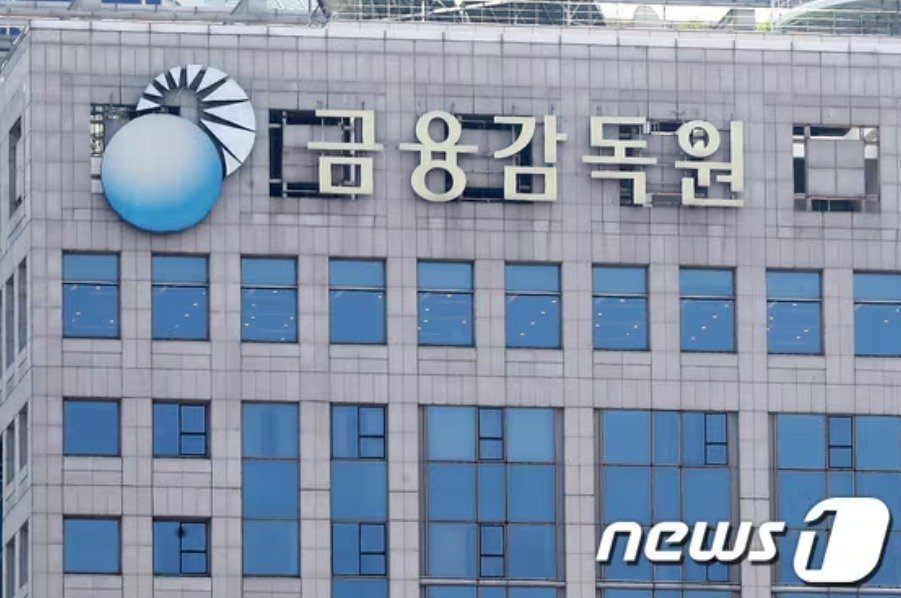
The Financial Supervisory Service (FSS) cited increasing economic volatility and a delayed economic recovery as the primary reasons for the deteriorating asset quality. The FSS stated it plans to guide insurers to sufficiently bolster their loss-absorption capacity and enhance asset quality management to address these rising risks.
We plan to guide them to sufficiently bolster their loss-absorption capacity and enhance asset quality management.
About this summary
Originally published by Dong-A Ilbo in Korean. Translated, summarized, and contextualized automatically by DistantNews, with a note on how the source frames the story. Not individually reviewed before publishing. How this works.
More Stories



From Our Blog

What Gets Lost (and Found) When News Is Translated

The Critical Role of Diaspora Media in Global News

What Travellers Should Know About Countries with Restricted Press

A Digital Nomad's Guide to Following Local News

How the Same Story Looks Different in Different Countries
