


South Korean IT Workers Form Unions Amid AI Transformation
Translated from Korean, summarized and contextualized by DistantNews.
At a glance
News
Named sources
New plan
- IT industry workers in South Korea, previously known for high job mobility and individual negotiation, are forming labor unions to address collective bargaining needs.
- The recent establishment of unions at Samsung SDS, Shinsegae I&C, and Hyundai AutoEver signals a shift driven by concerns over job changes and employment instability due to accelerating AI adoption.
- Unions aim to negotiate not only compensation and HR systems but also the impact of AI on job roles, retraining opportunities, and the equitable distribution of productivity gains.
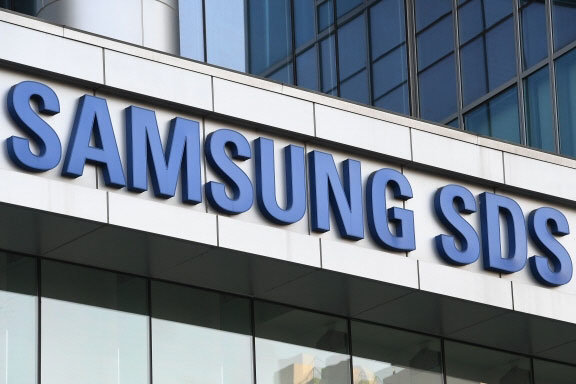
IT industry workers in South Korea, once characterized by frequent job changes and individual negotiations for better terms, are now turning to collective bargaining by forming labor unions. This significant shift is exemplified by the recent establishment of unions at major companies like Samsung SDS, Shinsegae I&C, and Hyundai AutoEver.
While surface-level disputes often revolve around performance bonuses and HR systems, the underlying driver for unionization is the growing job insecurity and evolving roles stemming from the rapid adoption of artificial intelligence (AI). AI is automating tasks previously handled by developers and system operators, leading to fears of job displacement or rapid redeployment within companies.
Kwon Oh-kyung, head of the Samsung SDS union, noted that while employees previously left companies they were unhappy with, AI adoption makes such transitions more difficult. This, coupled with concerns about companies optimizing labor costs, has fueled anxieties about job stability and prompted employees to seek collective representation.
In the past, if employees were unhappy with the company, they would just switch jobs, but these days, it's not easy to switch jobs due to AI transformation. As companies consider how much to optimize labor costs, employees are also feeling anxiety about job security, which influenced the launch of the union.
This move towards unionization is not a rejection of AI investment. Instead, employees are seeking dialogue on how their roles will change and how the benefits of increased productivity from AI will be shared between the company and its workforce. Key future negotiation points are expected to include guarantees for retraining and job transition opportunities, as well as transparency regarding organizational restructuring and outsourcing.
Professor Jeong Yeon-seung of Dankook University's business administration department observes that AI-driven employment anxieties are reshaping not only corporate business models but also employee negotiation strategies. He predicts that future labor negotiations will expand beyond wage increases and bonuses to encompass discussions on AI's impact on job security, role transitions, and profit sharing.
AI transformation is changing not only the company's business model but also the way employees negotiate. Negotiations, which used to focus on wage increases and performance bonuses, will expand to discussions on job security, job transitions, and profit sharing due to AI adoption.
DistantNews Editorial
Originally published by Dong-A Ilbo in Korean. Translated, summarized, and contextualized by our editorial team with added local perspective. Read our editorial standards.
More Stories



From Our Blog

What Gets Lost (and Found) When News Is Translated

The Critical Role of Diaspora Media in Global News

What Travellers Should Know About Countries with Restricted Press

A Digital Nomad's Guide to Following Local News

How the Same Story Looks Different in Different Countries
