

South Korean minister in U.S. to finalize investment, denies pressure
Translated from Korean, summarized and contextualized by DistantNews.
At a glance
News
Sources not specified
Ongoing story
- South Korean Minister of Trade, Industry and Energy Kim Jong-kap is in Washington to finalize the first major investment project in the U.S.
- Kim stated that while there are various practical issues to resolve, the U.S. has not pressured South Korea regarding the investment's pace.
- The investment package, agreed upon last year, totals $350 billion, including strategic and shipbuilding investments.
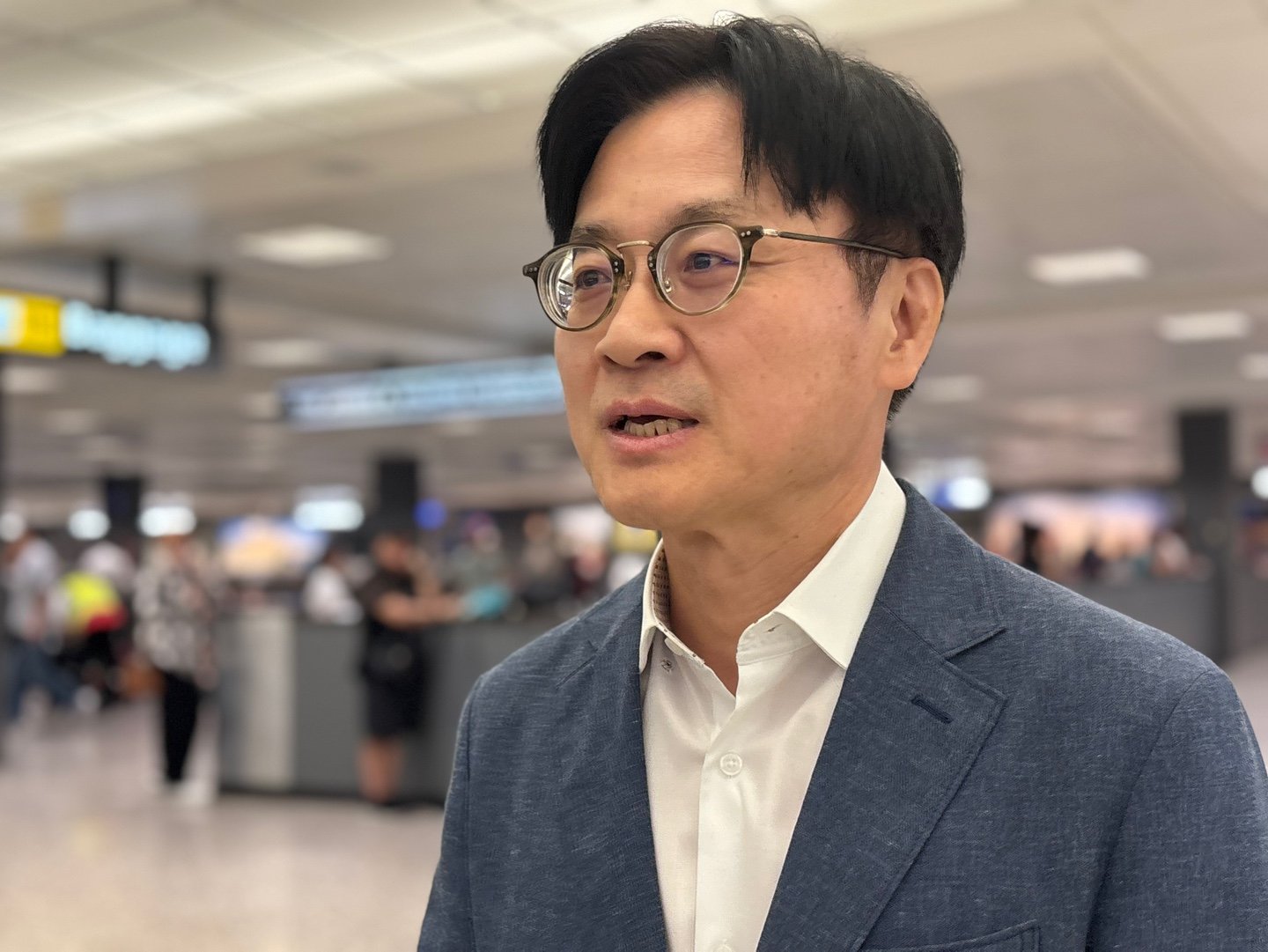
South Korean Minister of Trade, Industry and Energy Kim Jong-kap arrived in Washington D.C. with the goal of finalizing the first major South Korean investment project in the United States, aiming for an announcement by the end of August. Kim indicated that while practical and specific issues are emerging in the final stages of negotiation, the U.S. has not exerted pressure on South Korea to expedite the investment.
I have not received any such pressure.
Kim explained that his visit was necessary to consolidate discussions after previous virtual meetings and working-level contacts. This trip follows a meeting convened by the presidential office to address U.S. pressure regarding investment implementation. Last year, South Korea committed to a $350 billion investment package in the U.S., encompassing $200 billion in strategic investments and $150 billion in shipbuilding.
Regarding the timeline for the first project announcement, Kim reiterated the late August target but acknowledged that "various issues are emerging" due to the complexity of the details. He addressed concerns about potential U.S. pressure, such as imposing tariffs if investment is delayed, stating, "I don't know. I have not received any such pressure." However, he noted that U.S. President Donald Trump has consistently urged for faster investment since early this year, a sentiment South Korea shares.
We are also in agreement on the need to speed up, and I am continuously discussing this by coming and going like this.
The minister also touched upon the U.S. investigation into industrial overcapacity in 16 economies, including South Korea, which could lead to additional tariffs. He suggested the timeline for the investigation's results might be extending beyond the initially discussed late August. Kim also commented on the potential impact of the sudden dismissal of South Korea's lead negotiator, Yeo Han-koo, on trade talks, assuring that measures are in place to prevent a "vacuum" in negotiations, particularly concerning non-tariff barriers and FTA discussions.
It is not appropriate for me to directly explain the appointer's authority.
DistantNews Editorial
Originally published by Dong-A Ilbo in Korean. Translated, summarized, and contextualized by our editorial team with added local perspective. Read our editorial standards.
More Stories


From Our Blog

What Gets Lost (and Found) When News Is Translated

The Critical Role of Diaspora Media in Global News

What Travellers Should Know About Countries with Restricted Press

A Digital Nomad's Guide to Following Local News

How the Same Story Looks Different in Different Countries
