


South Korean Ministers Clash Over 52-Hour Workweek Exemptions for R&D Staff
Translated from Korean, summarized and contextualized by DistantNews.
At a glance
News
Sources not specified
Ongoing story
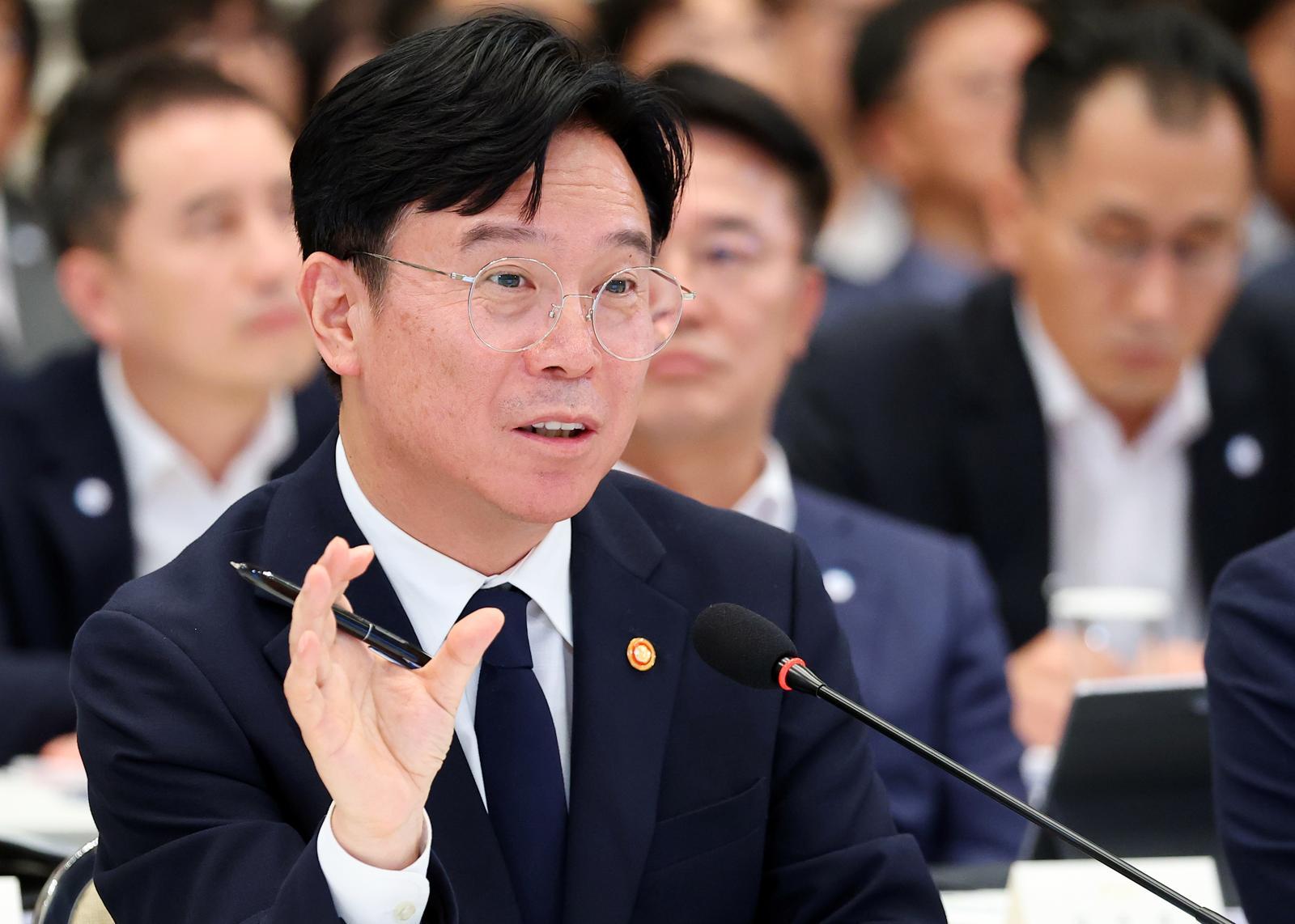
- South Korean Labor Minister Kim Young-hoo expressed differing views with the Ministry of Trade, Industry and Energy regarding exceptions to the 52-hour workweek for R&D personnel in mega-zones.
- Kim believes the 52-hour system is overly symbolic and emphasizes assessing actual productivity, referencing discussions on "fake work."
- The Ministry of Trade, Industry and Energy, however, has suggested revising work hour systems, citing China's competitive "996" system as a benchmark.
South Korean Labor Minister Kim Young-hoo acknowledged a divergence of opinion between his ministry and the Ministry of Trade, Industry and Energy concerning the potential exemption of R&D personnel in mega-zones from the 52-hour workweek. Kim stated on a YouTube broadcast that such disagreements are natural when ministers discuss national affairs from their respective departmental viewpoints.
"It's strange if there isn't a mismatch," Kim remarked, referring to past instances of differing views on legislation like the "Yellow Envelope Bill" and the mega-zone initiative. He asserted that while he must consider national affairs from a labor perspective, he engaged in "fierce debates" to ensure a balanced approach.
It's strange if there isn't a mismatch.
Kim views the 52-hour workweek as overly symbolic and stressed the need to evaluate the actual productivity gains from exempting high-income earners and researchers, a concept known as "white-collar exemption." He cited an interview with Dennis Nørmark, author of "The Big Con" (translated title), who warned that assuming South Korea can prepare for the AI era by clinging to its past long-hour, hierarchical culture would be a misjudgment.
Assuming South Korea can prepare for the AI era by clinging to its past long-hour, hierarchical culture would be a misjudgment.
Conversely, Minister of Trade, Industry and Energy Kim Jong-ho had previously suggested revising work hour systems, particularly for R&D, startups, and advanced industries, referencing China's "996" system (9 a.m. to 9 p.m., six days a week) as a major competitor. However, he clarified that the government's official stance is not yet finalized and is still under internal deliberation, emphasizing that his proposal aimed to enhance industrial competitiveness while harmonizing with labor rights.
The government is currently considering allowing exceptions to the 52-hour workweek for the Honam region's semiconductor mega-zone and permitting contract workers to be employed for up to four years. These proposals have drawn strong opposition from the Korean Confederation of Trade Unions and the Federation of Korean Trade Unions, which have issued statements condemning the moves and demanding a meeting with President Lee Jae-myung.
Our biggest competitor is China. We need to adjust our work hour system not only for R&D but also for startups and advanced industries.
DistantNews Editorial
Originally published by Dong-A Ilbo in Korean. Translated, summarized, and contextualized by our editorial team with added local perspective. Read our editorial standards.
More Stories


From Our Blog

What Gets Lost (and Found) When News Is Translated

The Critical Role of Diaspora Media in Global News

What Travellers Should Know About Countries with Restricted Press

A Digital Nomad's Guide to Following Local News

How the Same Story Looks Different in Different Countries
