

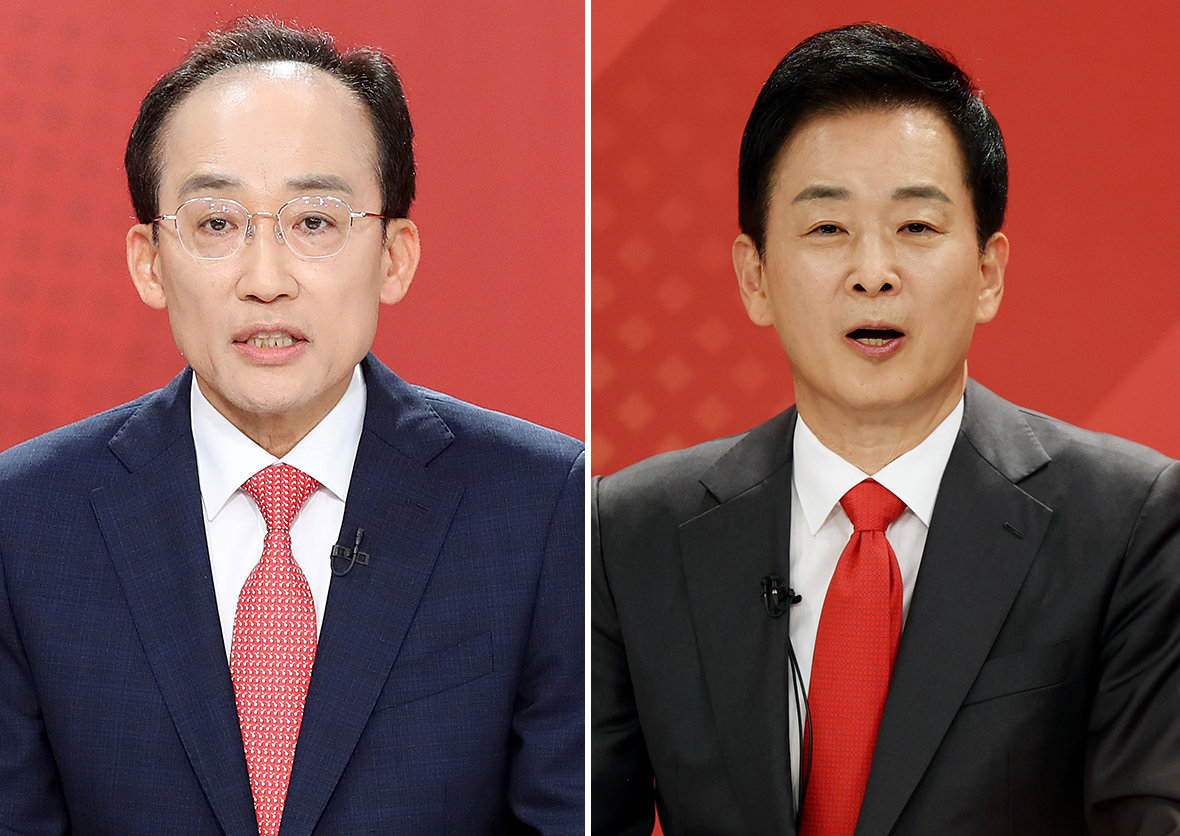
South Korean Party Leader Delays Return from U.S. Amid State Department Meeting Request
Translated from Korean, summarized and contextualized by DistantNews.
TLDR
- Jang Dong-hyuk, leader of the People Power Party, has postponed his return from the United States by two days.
- The party cited a request for a meeting from U.S. State Department officials as the reason for the delay.
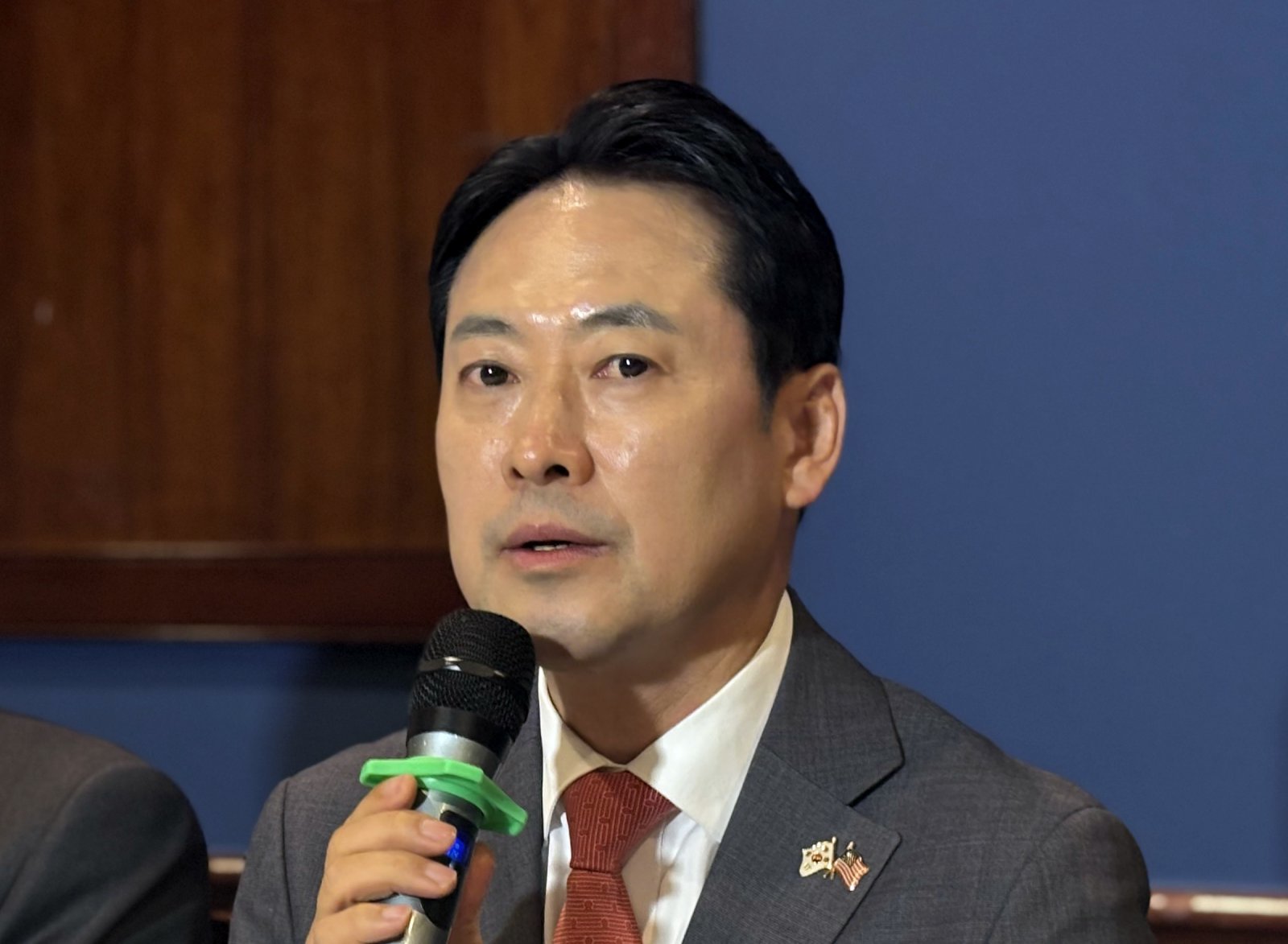
- Jang was in Washington D.C. and held a press conference with correspondents.
The unexpected two-day extension of People Power Party leader Jang Dong-hyuk's visit to the United States, prompted by a request for a meeting from U.S. State Department officials, underscores the dynamic nature of international diplomacy and South Korea's ongoing engagement with its key allies. While the specifics of the requested meeting remain undisclosed, its timing suggests a significant agenda, potentially involving discussions on regional security, economic cooperation, or bilateral relations.
Jang's presence in Washington D.C. and his engagement with correspondents highlight the importance of direct communication and transparency in foreign policy. Such interactions are crucial for conveying South Korea's perspectives and priorities to international stakeholders and the global press. The party's explanation for the delay, emphasizing the U.S. State Department's initiative, positions the meeting as a high-level engagement, reflecting the strategic importance both nations place on their relationship.
From a South Korean perspective, these high-level exchanges are vital. They not only reinforce the alliance but also provide opportunities to address pressing issues and explore avenues for mutual benefit. The fact that a meeting was requested by the U.S. State Department suggests a proactive U.S. interest in dialogue with South Korea's political leadership, which can be interpreted positively within the domestic political context.
While international media might report this as a routine diplomatic scheduling adjustment, for South Koreans, it signifies the continued importance of the U.S.-South Korea relationship. The delay, rather than being seen as an inconvenience, can be framed as an opportunity for more in-depth discussions that could yield significant outcomes for both countries. It reaffirms South Korea's role as a key player in regional and global affairs.
DistantNews Editorial
Originally published by Dong-A Ilbo in Korean. Translated, summarized, and contextualized by our editorial team with added local perspective. Read our editorial standards.
More Stories


From Our Blog

What Gets Lost (and Found) When News Is Translated

The Critical Role of Diaspora Media in Global News

What Travellers Should Know About Countries with Restricted Press

A Digital Nomad's Guide to Following Local News

How the Same Story Looks Different in Different Countries
