



South Korean police prepare for major procedural changes after prosecutor powers cut
Translated from Korean, summarized and contextualized by DistantNews.
At a glance
News
Official statement
New plan
- South Korea's National Police Agency has formed a task force to prepare for significant changes following the amendment of the Criminal Procedure Act.
- The amendment, which passed parliament, aims to separate investigative and prosecutorial powers, with prosecutors focusing on indictment and judicial police on investigations.
- The agency is establishing internal procedures to manage potential increases in workload and ensure efficient case processing.
South Korea's National Police Agency is gearing up for a major shift in its operations following the parliamentary passage of a revised Criminal Procedure Act. The amendment fundamentally alters the country's legal landscape by stripping prosecutors of their investigative authority and consolidating investigative powers with the police.
This is a major turning point in the criminal justice system, and I feel a heavy sense of responsibility.
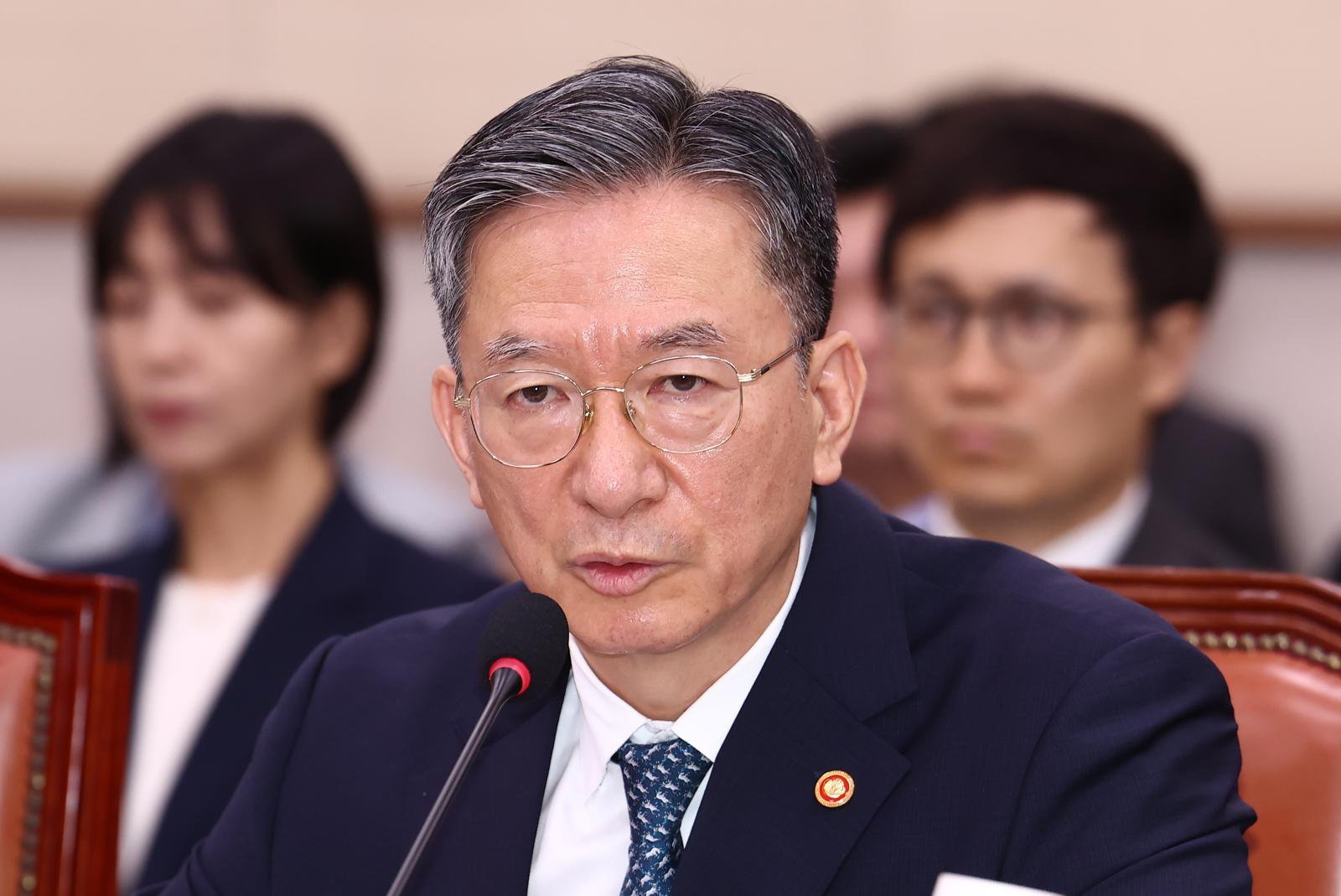
Hong Seok-ki, head of the National Investigation Headquarters at the police agency, acknowledged the significance of the legislative change. "This is a major turning point in the criminal justice system, and I feel a heavy sense of responsibility," Hong stated. He emphasized that the revised law clearly defines roles, with prosecutors responsible for indictment and judicial police officers handling investigations, a move intended to clarify responsibilities within the system.
To manage the transition, the police agency has established a dedicated task force led by Yoo Seung-ryeol, Director of Investigation Planning and Coordination. This team will focus on developing the necessary follow-up measures, including revisions to subordinate laws and regulations. The task force will also monitor how the police handle requests for supplementary investigations from prosecutors, aiming to ensure swift and effective processing.
The law clearly defines the roles, stating that prosecutors are responsible for indictment and prosecution, and judicial police officers are responsible for investigations.
Hong expressed confidence that the revised law would reduce the number of supplementary investigation requests from prosecutors. He believes that prosecutors, now solely focused on indictment and prosecution, will feel a greater responsibility to guide investigative agencies effectively rather than acting as a competing entity. The police agency is committed to adapting to these changes and improving its investigative capabilities to meet the new legal framework.
Prosecutors will feel a sense of responsibility to lead the investigative agencies well as the party that indicts and prosecutes, rather than as a competing agency with some investigative authority.
DistantNews Editorial
Originally published by Hankyoreh in Korean. Translated, summarized, and contextualized by our editorial team with added local perspective. Read our editorial standards.
More Stories


From Our Blog

What Gets Lost (and Found) When News Is Translated

The Critical Role of Diaspora Media in Global News

What Travellers Should Know About Countries with Restricted Press

A Digital Nomad's Guide to Following Local News

How the Same Story Looks Different in Different Countries
