


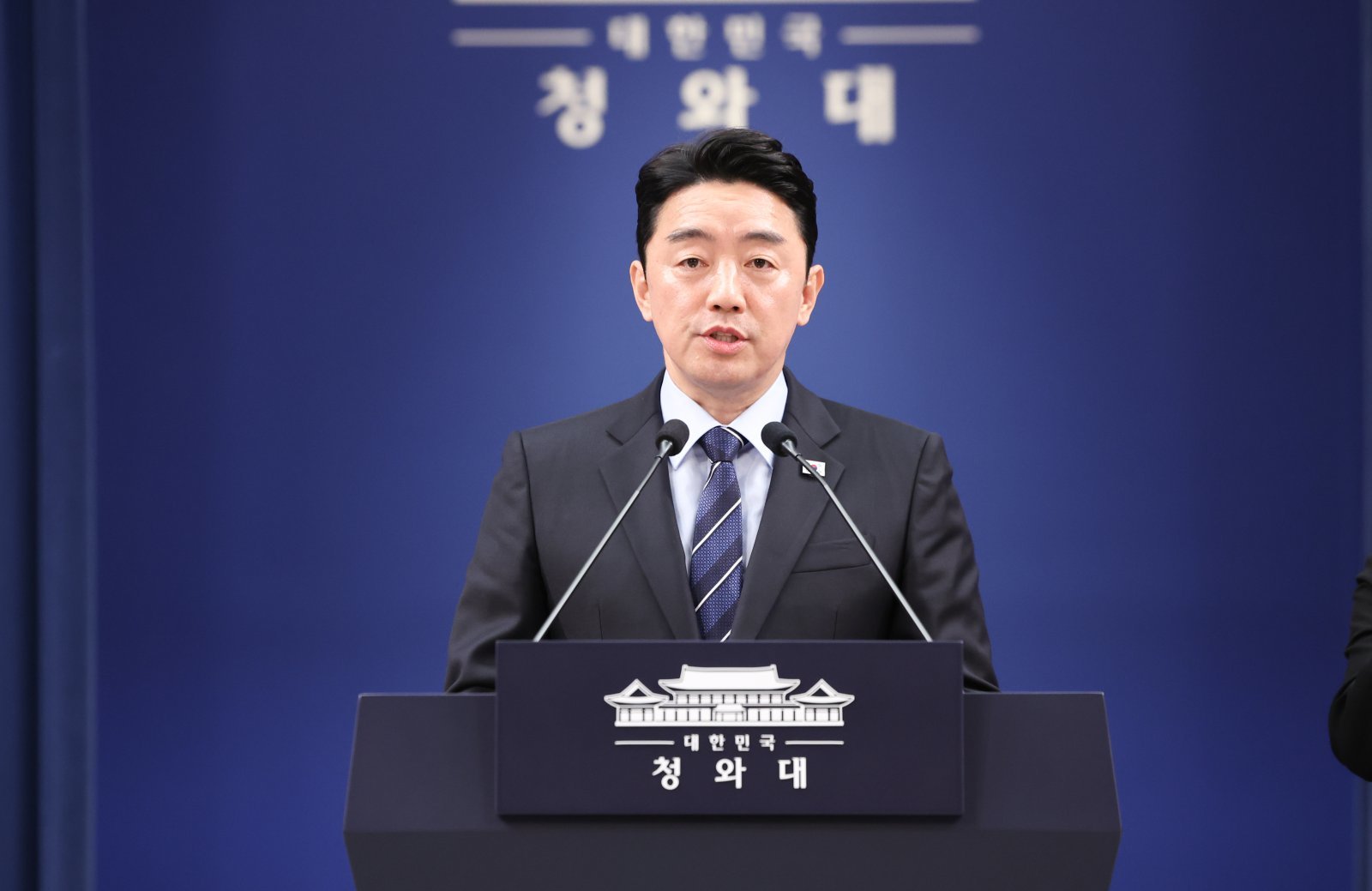
South Korean President Renews Call for Special Inspector Appointment Amidst Political Stalemate
Translated from Korean, summarized and contextualized by DistantNews.
TLDR
- President Yoon Suk Yeol has requested the National Assembly initiate the appointment process for a special inspector.
- This role, intended to oversee the conduct of high-ranking officials and presidential family members, has been vacant for ten years.
- The appointment process is stalled due to political disagreements between the ruling and opposition parties, with the President's office urging a swift resolution.
President Yoon Suk Yeol's renewed call for the National Assembly to begin the appointment process for a special inspector underscores a persistent challenge in South Korean governance: ensuring accountability at the highest levels.
The special inspector's role is crucial. Tasked with investigating potential misconduct among the President's immediate family and senior aides, this position is designed as a vital check on power, aiming to prevent abuses and maintain public trust. However, the office has remained vacant since the resignation of the first special inspector, Lee Suk-soo, in 2016. This decade-long hiatus highlights a systemic issue where political gridlock can paralyze essential oversight mechanisms.
President Yoon's administration has expressed its commitment to filling this vacancy multiple times since taking office, even making it a campaign promise. Yet, the process remains mired in partisan conflict. The Democratic Party has cited a lack of formal recommendation requests, while the People Power Party insists on unconditional acceptance of opposition-nominated candidates. This familiar pattern of political wrangling, where both parties seem to prioritize partisan advantage over institutional integrity, has repeatedly derailed previous attempts at appointment.
From a South Korean perspective, the prolonged absence of a special inspector is more than just an administrative delay; it represents a failure to uphold a critical democratic principle. The public expects a robust system of checks and balances, especially concerning those closest to the seat of power. The current impasse, characterized by mutual accusations and a lack of substantive negotiation, risks further eroding public confidence. The call for the Korean Bar Association to recommend candidates, bypassing the contentious party-nomination process, reflects a growing frustration with the political status quo and a desire for a more neutral, independent selection that prioritizes competence and integrity over political expediency. This is not just about filling a position; it's about demonstrating a genuine commitment to transparent governance and breaking the cycle of political obstructionism.
DistantNews Editorial
Originally published by Dong-A Ilbo in Korean. Translated, summarized, and contextualized by our editorial team with added local perspective. Read our editorial standards.
More Stories


From Our Blog

What Gets Lost (and Found) When News Is Translated

The Critical Role of Diaspora Media in Global News

What Travellers Should Know About Countries with Restricted Press

A Digital Nomad's Guide to Following Local News

How the Same Story Looks Different in Different Countries
