


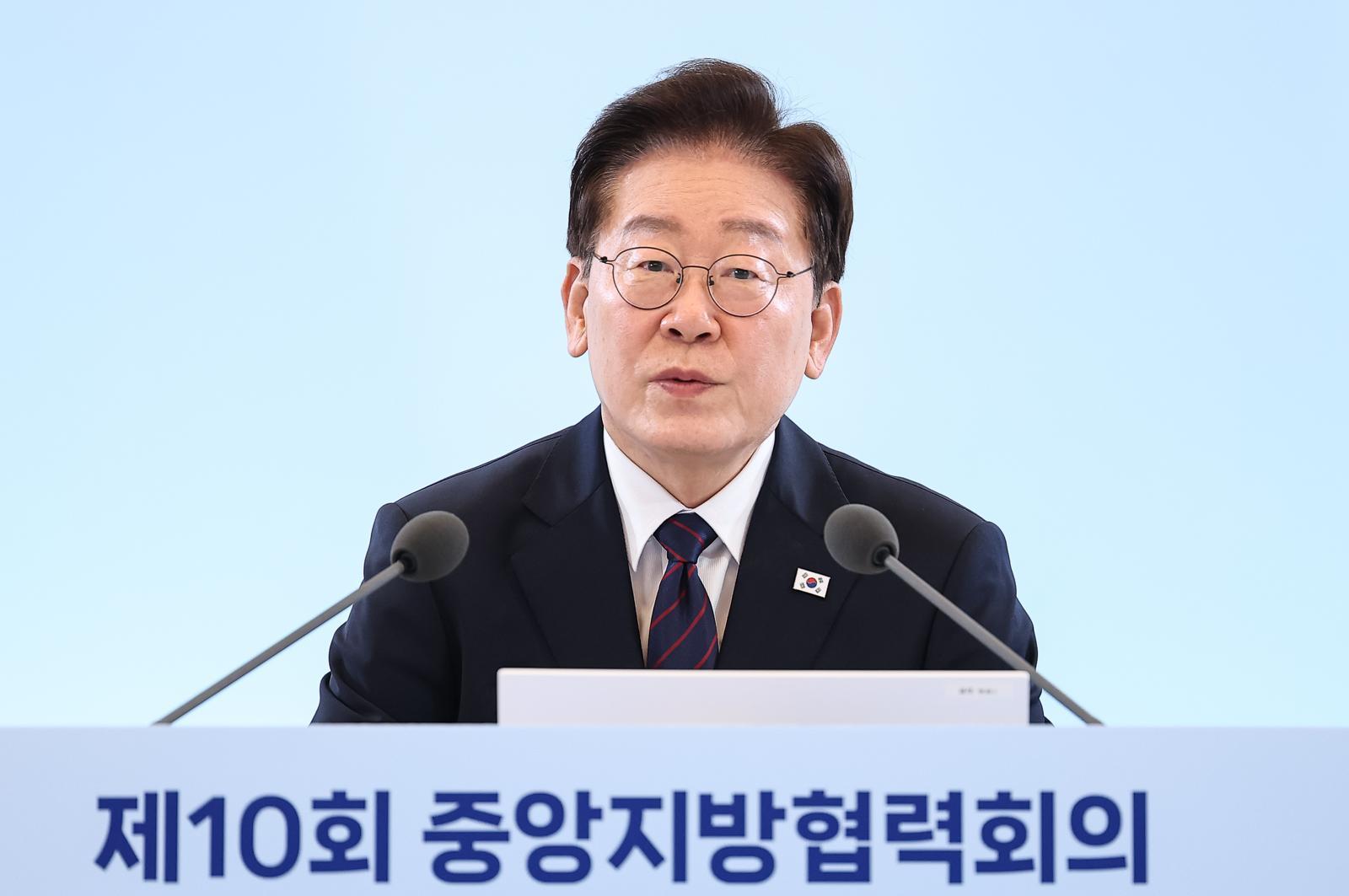
South Korean President's approval rating rises to 50%
Translated from Korean and summarized by DistantNews. Read the original for the full story.
At a glance
News
Named sources
Context piece
- President Lee Jae-myung's approval rating has risen to 50%, up 1% point from the previous survey.
- The poll also showed the Democratic Party leading the People Power Party in party support.
- A majority of respondents believe the government's recent real estate measures will be ineffective, with particular concern among those in their 30s.
South Korean President Lee Jae-myung's approval rating has seen a slight increase, reaching 50% in the latest national poll. This marks a 1% point rise from the previous survey conducted two weeks ago, reversing a dip to 49% shortly after his inauguration.
The poll, conducted by Embrain Public, Kstat Research, Korea Research, and Realmeter from August 24-26 among 1,001 adults, found that 50% of respondents approved of President Lee's job performance. Conversely, 43% expressed disapproval, a figure that remained unchanged from the prior survey.
In terms of party support, the Democratic Party garnered 41%, showing a 1% point increase, while the People Power Party received 20%, a decrease of 3% points. This suggests a shifting political landscape in the country.
However, the survey also highlighted public skepticism regarding the government's recent real estate policies, announced on August 13. A significant 57% of respondents believe these measures will be ineffective, with only 34% expressing hope for their success. The negative sentiment towards the real estate policies was particularly pronounced among those in their 30s, with 71% expressing disapproval.
Regarding housing supply, a majority (59%) favored easing regulations on reconstruction and redevelopment projects over utilizing urban spaces like Yongsan Park (29%). This preference for deregulation was especially strong among younger demographics, with 67% of those aged 18-29 and 68% of those in their 30s supporting the easing of reconstruction and redevelopment rules.
About this summary
Originally published by Dong-A Ilbo in Korean. Translated, summarized, and contextualized automatically by DistantNews, with a note on how the source frames the story. Not individually reviewed before publishing. How this works.
More Stories


From Our Blog

What Gets Lost (and Found) When News Is Translated

The Critical Role of Diaspora Media in Global News

What Travellers Should Know About Countries with Restricted Press

A Digital Nomad's Guide to Following Local News

How the Same Story Looks Different in Different Countries
