


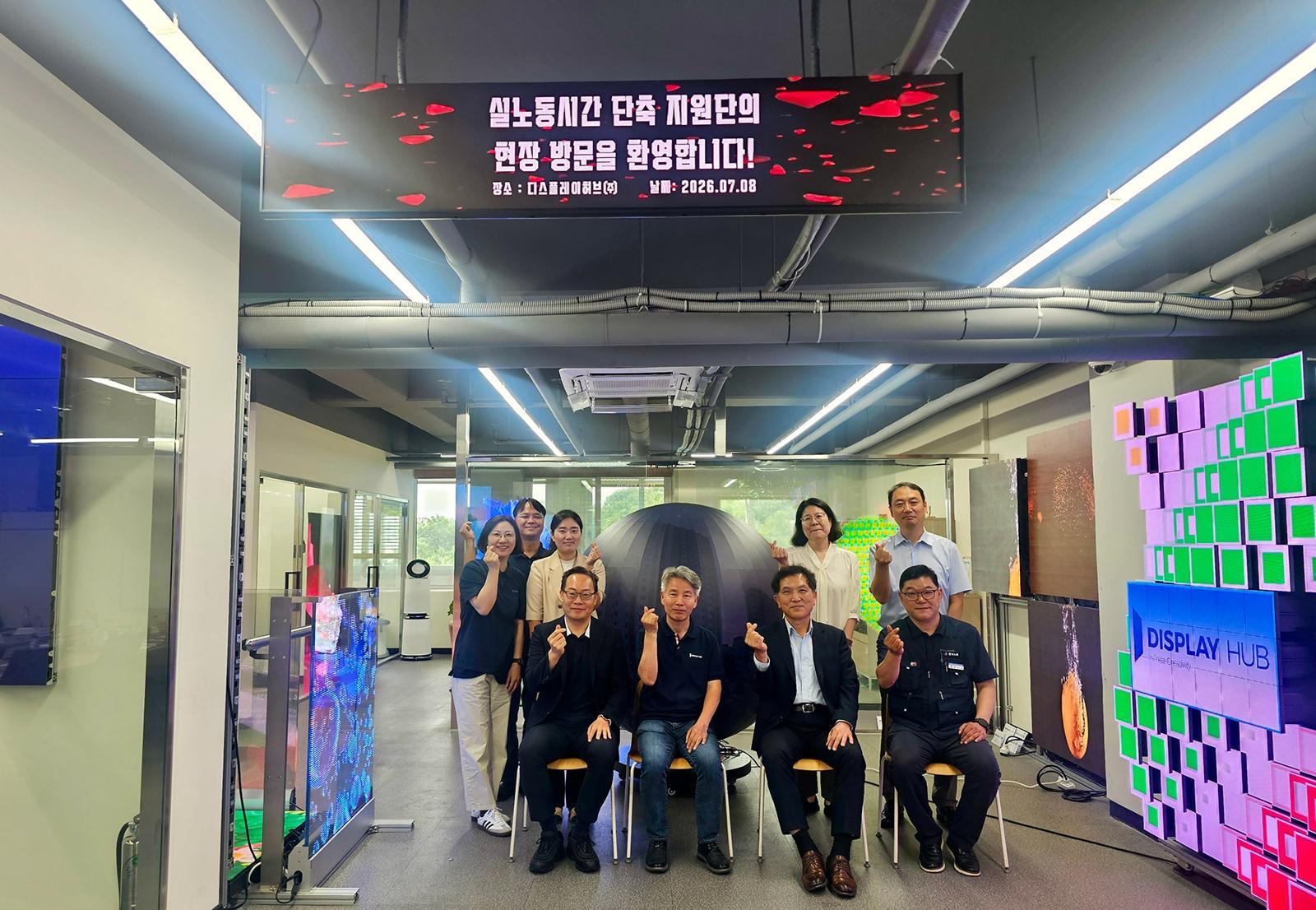
South Korean SMEs Cut Working Hours to Attract Young Talent
Translated from Korean, summarized and contextualized by DistantNews.
At a glance
News
Sources not specified
Context piece
- Some small and medium-sized enterprises (SMEs) in South Korea are reducing working hours to attract young talent, shifting from traditional long-hour work cultures.
- Companies like Display Hub are implementing shorter workweeks and early departure options, moving away from fixed overtime pay towards actual hours worked.
- While government initiatives support these changes, the adoption of flexible work arrangements remains slow among SMEs, lagging behind larger corporations.
A growing number of small and medium-sized enterprises (SMEs) in South Korea are shortening working hours as a strategy to attract and retain young talent. This shift marks a departure from the traditional work culture that often equated long hours with dedication and productivity.
We are not going to achieve results just by sitting in the office for a long time. I hated the workplace culture where people couldn't leave work due to fear of their superiors, so I considered reducing working hours from the beginning of the company's founding.
Display Hub, a manufacturer of electronic displays, recently reduced its office staff's workweek from 40 to 35 hours, implementing a 7-hour workday. The company also offers an "Family Love Day" on the last Friday of each month, allowing employees to leave two hours early. Company CEO Kim Dong-hyeop stated that long hours don't necessarily equate to results and that he wanted to move away from the culture of employees feeling pressured to stay late. The company is also exploring replacing fixed overtime pay with compensation based on actual hours worked, aiming to discourage unnecessary overtime.
There was a time when working overnight was boasted as proof of hard work. But that is a culture that should be avoided now. We are trying to give field personnel more time to rest and prepare by operating them more flexibly than other companies.
These efforts come as SMEs recognize the difficulty in attracting younger generations with conventional work practices. While large corporations have explored remote work, staggered hours, and 4.5-day workweeks, SMEs are now beginning to adapt their working time systems. Display Hub is also implementing policies like early departures for finishing work ahead of schedule and offering bonuses for completing field tasks ahead of deadlines, encouraging efficiency.
Young employees these days don't accept the way of working overnight like before. When they know they can leave early if they finish work quickly, employees try to work more efficiently.
Government initiatives, including workplace innovation consulting and work-life balance support programs, aim to encourage SMEs to adopt shorter working hours. However, the adoption of flexible work arrangements, such as remote work and staggered hours, remains significantly lower in SMEs compared to larger companies. Experts emphasize that successful implementation requires a holistic approach, adapting flexible work models to specific industry and job requirements rather than a one-size-fits-all solution, and fostering a supportive organizational culture.
When wages systems, work styles, and organizational culture change together, reducing working hours can take root in the field. We will continue to discover feasible models tailored to the characteristics of each industry.
DistantNews Editorial
Originally published by Dong-A Ilbo in Korean. Translated, summarized, and contextualized by our editorial team with added local perspective. Read our editorial standards.
More Stories



From Our Blog

What Gets Lost (and Found) When News Is Translated

The Critical Role of Diaspora Media in Global News

What Travellers Should Know About Countries with Restricted Press

A Digital Nomad's Guide to Following Local News

How the Same Story Looks Different in Different Countries
