

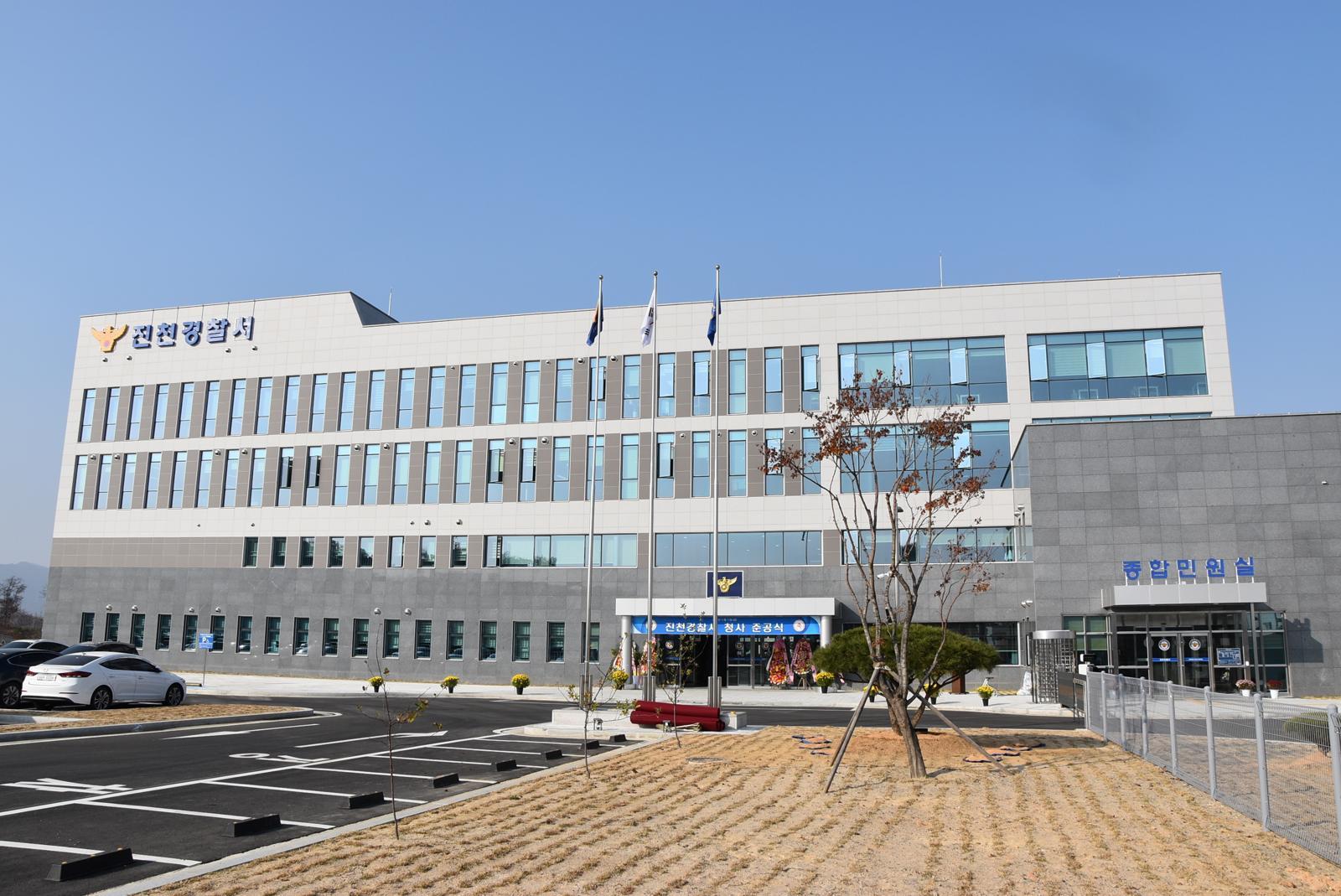

South Korean Speaker's Term Extension Remarks Spark Political Firestorm
Translated from Korean, summarized and contextualized by DistantNews.
At a glance
Analysis
Sources not specified
Context piece
- National Assembly Speaker Cho Jung-sik's remarks suggesting the possibility of President Lee Jae-myung extending his term have sparked significant controversy in South Korea.
- Historical precedents of constitutional amendments being used by past dictators to prolong their rule have fueled public anxiety and opposition to any discussion of term extensions.
- Cho Jung-sik later clarified his stance, stating that extending the current president's term is not a subject for constitutional amendment discussions, but his initial comments have left a lasting impact.
A recent press conference by National Assembly Speaker Cho Jung-sik has ignited a political firestorm in South Korea, centering on the possibility of amending the constitution to allow President Lee Jae-myung to extend his term. When questioned about the feasibility of such an amendment, Cho suggested that it could be a matter of "the sovereign people's opinion and choice" and dependent on "how political stakeholders reach an agreement."
These remarks immediately drew sharp criticism and concern, given South Korea's history of authoritarian regimes exploiting constitutional changes for prolonged rule. Past presidents like Syngman Rhee, Park Chung-hee, and Chun Doo-hwan all used constitutional amendments to extend their time in power, often through controversial means, including political maneuvering and referendums held under duress. Article 128, Clause 2 of the current constitution explicitly states that amendments altering term limits do not apply to the president at the time of the proposal, a provision intended to prevent such abuses.
The controversy escalated rapidly, prompting an immediate clarification from the presidential office stating that Cho's remarks were misinterpreted and that he fully recognized the constitutional limitations. Later that evening, Cho himself posted on Facebook, emphasizing that the provision in Article 128, Clause 2 must be respected and that the current president's term extension is not a subject for future constitutional amendment discussions. He expressed regret for any misunderstanding caused by his initial statement.
Despite these clarifications, the incident has highlighted the deep-seated public sensitivity surrounding presidential term limits in South Korea. Critics argue that Cho's initial comments, even if intended to discuss procedural aspects of constitutional reform, dangerously blurred the lines and appeared to legitimize the idea of extending the current president's tenure. The debate underscores the enduring legacy of past dictatorships and the public's vigilance against any attempts to undermine democratic principles through constitutional manipulation.
DistantNews Editorial
Originally published by Hankyoreh in Korean. Translated, summarized, and contextualized by our editorial team with added local perspective. Read our editorial standards.
More Stories


From Our Blog

What Gets Lost (and Found) When News Is Translated

The Critical Role of Diaspora Media in Global News

What Travellers Should Know About Countries with Restricted Press

A Digital Nomad's Guide to Following Local News

How the Same Story Looks Different in Different Countries
