


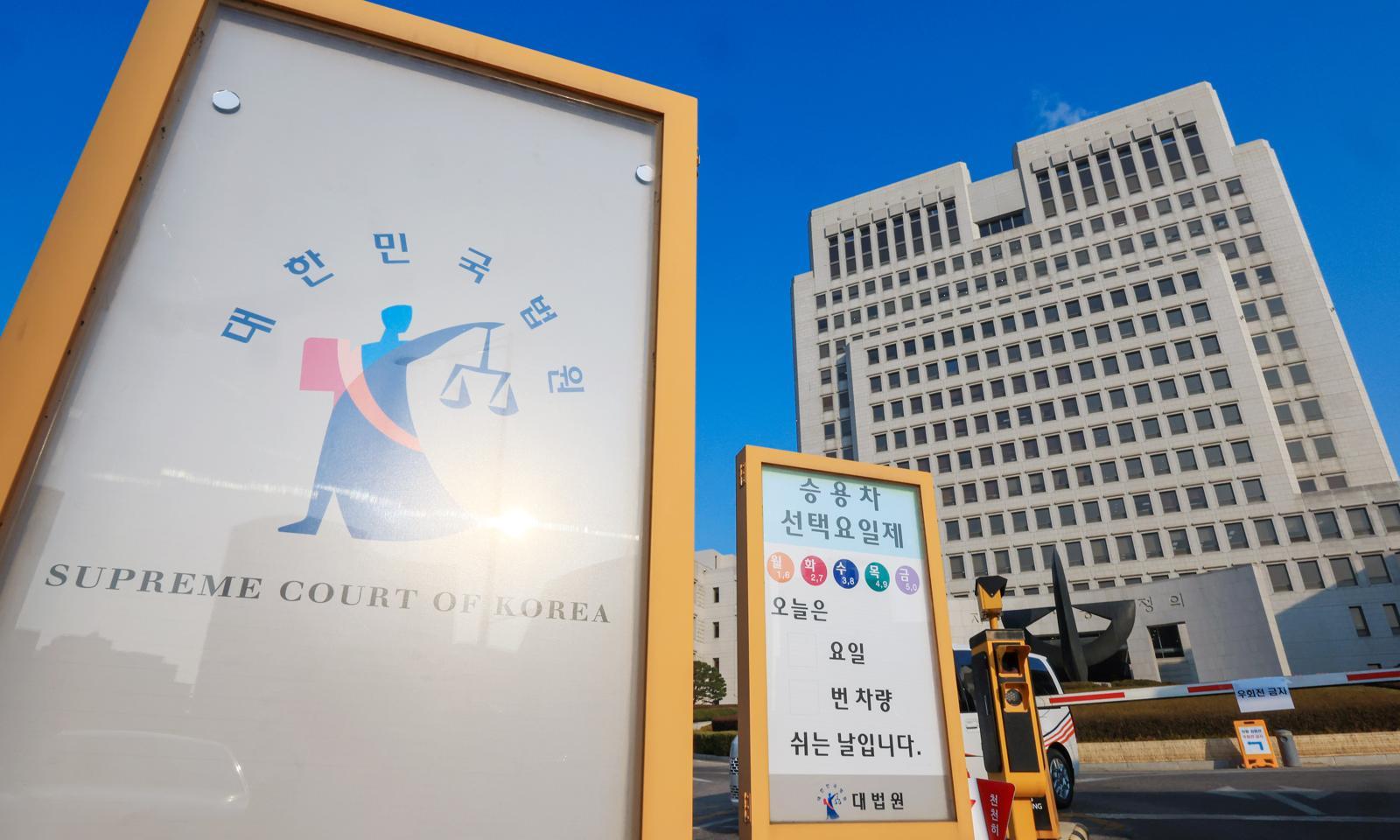
South Korean Supreme Court Rules New Inheritance Law Applies Retroactively
Translated from Korean, summarized and contextualized by DistantNews.
At a glance
News
Named sources
Outcome reported
- South Korea's Supreme Court ruled that a new law recognizing parental contribution to inheritance must be retroactively applied to ongoing lawsuits.
- The ruling concerns the inheritance system, where a portion of the deceased's estate is legally reserved for heirs, even if wills dictate otherwise.
- A previous Constitutional Court decision found the old law, which did not account for contributions, unconstitutional, leading to legislative changes.
South Korea's Supreme Court has determined that a recent law acknowledging parental contributions in inheritance cases must be applied retroactively to lawsuits that were already in progress. This decision impacts how inherited assets are distributed when some heirs have significantly contributed to the deceased's well-being or estate.
The inheritance system, known as 'yuryubun,' reserves a minimum legal portion of an estate for heirs, regardless of the deceased's will or lifetime gifts. Previously, even heirs who had supported parents for extended periods or contributed to their wealth could be forced to share their inheritance under this system.
This issue led to a Constitutional Court ruling in April 2024, which declared the previous law unconstitutional for its unfairness to contributing heirs. Subsequently, in March 2024, the Civil Act was amended to exclude contributions made by an heir, such as special support or assistance in maintaining or increasing the deceased's assets, from being considered part of their special inheritance.
The Supreme Court's latest judgment involved a case where siblings sued another sibling who had received two apartments as a lifetime gift from their father. The lower courts had included these apartments in the calculation of the inheritance portion. However, the Supreme Court remanded the case, stating that the new law, which removes unconstitutional aspects of the old provision, should apply because the lawsuit was ongoing when the Constitutional Court made its decision.
DistantNews Editorial
Originally published by Dong-A Ilbo in Korean. Translated, summarized, and contextualized by our editorial team with added local perspective. Read our editorial standards.
More Stories
From Our Blog

What Gets Lost (and Found) When News Is Translated

The Critical Role of Diaspora Media in Global News

What Travellers Should Know About Countries with Restricted Press

A Digital Nomad's Guide to Following Local News

How the Same Story Looks Different in Different Countries
