


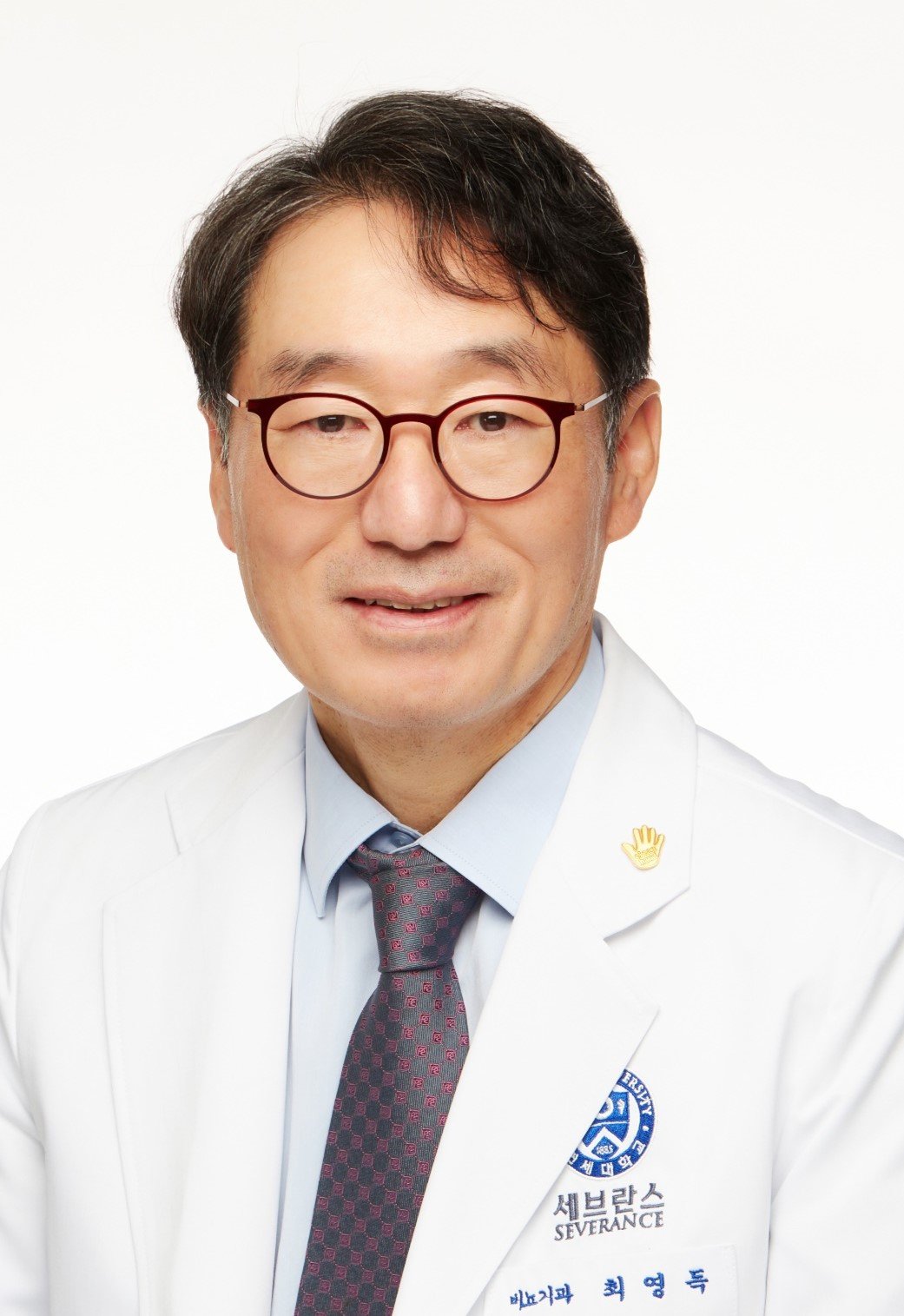
South Korean surgeon performs 7,000 robot-assisted cancer surgeries, improving patient function
Translated from Korean, summarized and contextualized by DistantNews.
At a glance
News
Official statement
Outcome reported
- A South Korean professor has performed over 7,000 robot-assisted surgeries for urologic cancers, primarily prostate cancer.
- The technique, known as the extraperitoneal approach, minimizes damage to surrounding organs and reduces post-operative pain and dysfunction.
- This minimally invasive method helps preserve urinary and sexual functions after treatment.
Professor Choi Young-deuk of Yonsei Cancer Center has achieved a significant milestone, surpassing 7,000 robot-assisted surgeries for urologic cancers, with the vast majority being prostate cancer procedures. This advanced surgical approach is gaining attention for its ability to resolve post-treatment issues like urinary dysfunction.
The technique employed, known as the extraperitoneal approach, involves operating without opening the peritoneum. This method significantly lowers the risk of intestinal damage and post-operative pain compared to traditional surgeries. It is particularly crucial in prostate cancer surgery, which is performed in the confined space of the pelvis and requires precise removal of cancerous tissue while preserving delicate nerves and blood vessels responsible for urinary and sexual functions.
Choi's achievement includes 6,338 prostate cancer surgeries and 662 other urologic cancer procedures. He successfully completed his 7,000th surgery on a 74-year-old patient diagnosed with prostate cancer, who has since recovered without significant complications. Choi has steadily increased his surgical volume since performing his first robot-assisted surgery in 2005, reaching 1,000 cases in 2012, 3,000 in 2017, and 6,000 in 2023.
The extraperitoneal approach, while requiring high surgical skill due to limited space for robotic arms, allows for precise tumor removal while maximizing the preservation of urinary and sexual functions. Choi has adapted this technique to individual patient conditions, demonstrating a commitment to patient recovery and quality of life post-treatment.
Because the location, shape, and stage of cancer vary for each patient, robot surgery must also be performed precisely according to the patient's condition.
DistantNews Editorial
Originally published by Dong-A Ilbo in Korean. Translated, summarized, and contextualized by our editorial team with added local perspective. Read our editorial standards.
More Stories



From Our Blog

What Gets Lost (and Found) When News Is Translated

The Critical Role of Diaspora Media in Global News

What Travellers Should Know About Countries with Restricted Press

A Digital Nomad's Guide to Following Local News

How the Same Story Looks Different in Different Countries
