


South Korean won plunges, nearing 1300 against dollar amid sharp volatility
Translated from Korean, summarized and contextualized by DistantNews.
At a glance
News
Sources not specified
Context piece
- The South Korean won-to-dollar exchange rate has seen significant volatility, dropping sharply from the mid-1500s to approach the 1300s within a month.
- The average monthly fluctuation this year has been 47 won, the largest since the 2009 global financial crisis, impacting both exporters and importers.
- Recent factors contributing to the won's strength include capital inflows from SK Hynix's US ADR listing, increased dollar selling by exporters, and coordinated intervention by US and Japanese financial authorities.
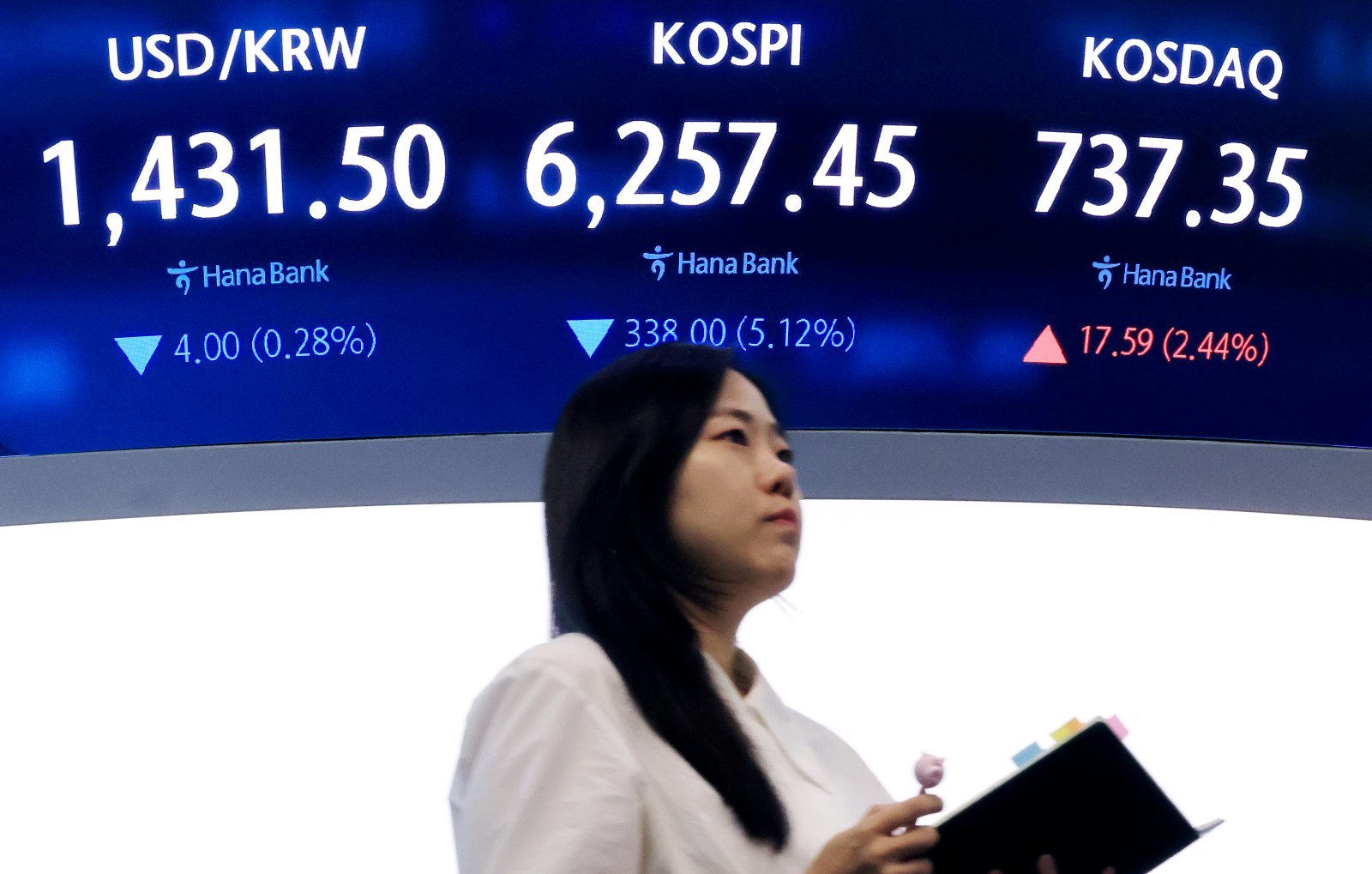
The South Korean won has experienced a dramatic reversal, plummeting from its mid-1500s peak against the U.S. dollar just a month ago to hover near the 1300 mark. This sharp decline follows a period of intense volatility, with average monthly fluctuations reaching 47 won this year – the widest range since the global financial crisis in 2009. This dramatic swing is creating significant concerns for both South Korean exporters and importers.
Data from the Bank of Korea shows that the average monthly change in the won-dollar exchange rate has exceeded 40 won only during periods of extreme currency turmoil: the 1997-98 Asian financial crisis and the 2008-09 global financial crisis. This year alone, the exchange rate saw a significant jump of 90.4 won in March following the outbreak of the Iran-Israel conflict, only to fall 46.8 won in April amid hopes for U.S.-Iran negotiations. Subsequent months saw further increases in volatility before a staggering 125.4 won drop in July.
The speed of the recent decline is particularly notable. After hitting a high of 1555.8 won on July 2, the currency strengthened by 139.7 won over 25 trading days, averaging a daily gain of 5.6 won. The closing rate on August 8 was 1409.5 won, with an intraday low of 1407.3 won, the lowest since October 2, 2022. This sustained dollar selling by exporters, coupled with a general weakening of the dollar, has pushed the won to its strongest level in 10 months.
Exporters who delayed selling dollars in anticipation of further appreciation may have missed their optimal selling window. Importers who hedged against rising rates by buying forward dollars could now face losses.
The rapid shift in the foreign exchange market is attributed to a sudden change in supply and demand dynamics. The listing of SK Hynix's American Depositary Receipts (ADRs) brought substantial capital inflows, coinciding with increased dollar sales from exporters. This created a strong demand for the won. Furthermore, an unusual joint intervention by U.S. and Japanese financial authorities late last month bolstered East Asian currencies, including the yen, contributing to the won's rapid descent into the low 1400s. Weaker-than-expected U.S. employment data also tempered expectations of further Federal Reserve interest rate hikes, causing the dollar index to fall.
This rapid depreciation presents a challenge for businesses. While a stronger won can help curb inflation and stabilize the foreign exchange market, the speed of the decline has created uncertainty and potential exchange rate losses. Exporters who delayed selling dollars in anticipation of further appreciation may have missed their optimal selling window. Importers who hedged against rising rates by buying forward dollars could now face losses. The profitability of exporters, especially small and medium-sized enterprises, could be negatively impacted due to a decrease in the unit price of exports. Experts are divided on whether the won can stabilize in the 1300s, with some suggesting it's possible if the Fed holds rates and oil prices remain stable, while others caution that a reversal in foreign investment or a weakening of the yen could lead to renewed won depreciation.
The exchange rate may have fallen excessively due to the temporary concentration of dollar supply stemming from SK Hynix. As supply and demand rebalance, a technical rebound could lead to renewed won depreciation.
DistantNews Editorial
Originally published by Hankyoreh in Korean. Translated, summarized, and contextualized by our editorial team with added local perspective. Read our editorial standards.
More Stories


From Our Blog

What Gets Lost (and Found) When News Is Translated

The Critical Role of Diaspora Media in Global News

What Travellers Should Know About Countries with Restricted Press

A Digital Nomad's Guide to Following Local News

How the Same Story Looks Different in Different Countries
