

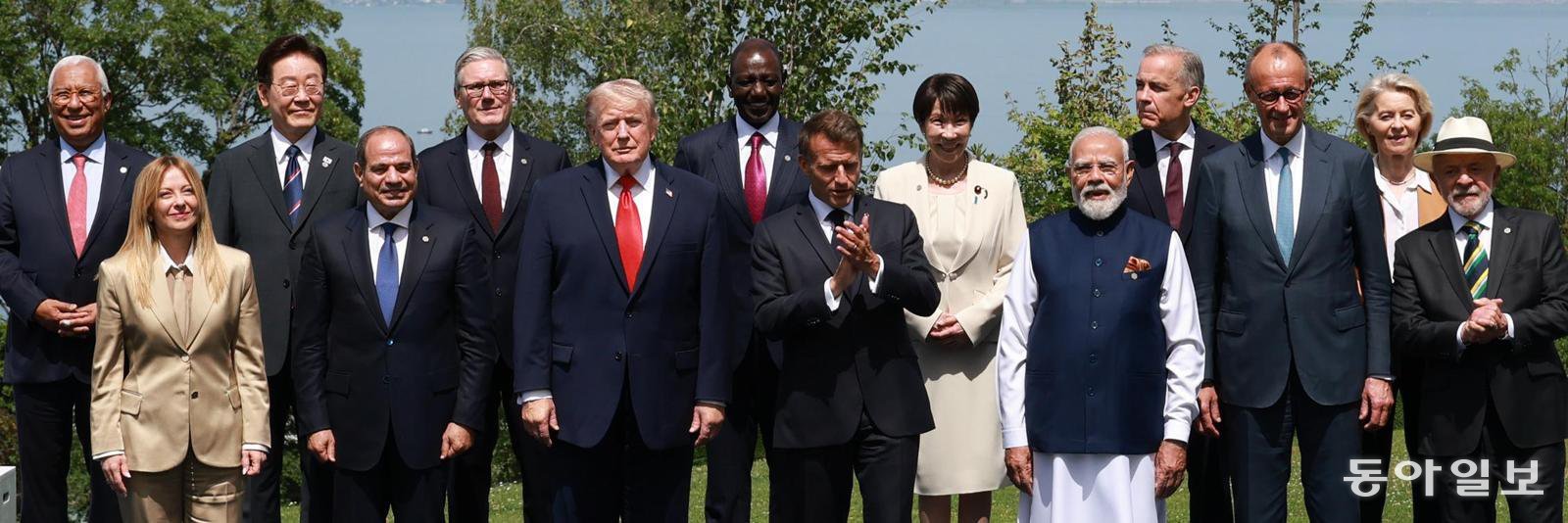

South Korean youth demand new election amid fraud claims
Translated from Korean, summarized and contextualized by DistantNews.
At a glance
Analysis
Sources not specified
Context piece
- South Korean youth are protesting election irregularities, demanding a new election and expressing frustration with older generations' perceived lack of outrage.
- The protests, initially focused on ballot shortages, evolved to include accusations of a fraudulent election and calls for President Yoon Suk-yeol's resignation.
- The author suggests that young voters without party affiliation should be recognized as
Protests initially focused on ballot shortages during the June 6 local elections have escalated in South Korea, with demonstrators now demanding a new election and decrying the process as fraudulent. The mood shifted rapidly, with initial calls for "a new election" evolving into chants of "fraudulent election, new election," and slogans like "Overthrow fraudulent elections" and "Yoon Suk-yeol was right" appearing alongside earlier pleas to "Protect voting rights."
The author describes a palpable sense of unease at the protests, likening the shift in tone to hearing a wolf's voice in disguise. While civic groups that initially led the "Light Plaza" movement were less visible, anger simmered among younger participants. Some older acquaintances dismissed the protests as an overreaction to administrative errors or questioned the youth's emphasis on individual rights. This sentiment fueled frustration among young people, who questioned why older generations weren't as outraged by the perceived infringement on their right to participate in democracy.
Dismissing young protesters as politically immature or easily manipulated by the far-right is a misjudgment, the author argues. The article highlights the positive steps taken by President Lee Jae-myung, who acknowledged a "lack of sensitivity to sovereignty" and promised a thorough investigation, and Prime Minister Kim Min-seok, who characterized the incident as a "violation of national participation rights." Young people involved in the protests emphasize their "individual voluntary participation," distancing themselves from partisan politics and framing the issue as a matter of citizen rights, not party loyalty. This is particularly relevant as the 20-30 age group has the highest rate of "no party affiliation."
The author proposes a new term, "independent," to describe these voters, drawing a parallel to U.S. Senator Bernie Sanders, who identifies as an "independent politician" despite decades in the Senate and presidential runs. Sanders, who criticizes both major parties for failing to represent low-income individuals and workers, operates on a different track rather than being between the two parties. Similarly, the author suggests that a lack of party affiliation should be seen not as a sign of being unaffiliated or centrist, but as an expression of dissatisfaction with existing parties' ability to represent constituents' interests. The future belongs to parties that acknowledge and incorporate the demands of these "independents," shifting from a party-centric view of the universe to a citizen-centric one. Parties that remain confined to their existing support bases risk failing to perceive new changes and should instead embrace a "Copernican revolution" to understand and respond to the needs of independent voters.
DistantNews Editorial
Originally published by Hankyoreh in Korean. Translated, summarized, and contextualized by our editorial team with added local perspective. Read our editorial standards.
More Stories


From Our Blog

What Gets Lost (and Found) When News Is Translated

The Critical Role of Diaspora Media in Global News

What Travellers Should Know About Countries with Restricted Press

A Digital Nomad's Guide to Following Local News

How the Same Story Looks Different in Different Countries
