


South Korean Youths Defend 'Jeonse' Rental System Amidst Presidential Criticism
Translated from Korean, summarized and contextualized by DistantNews.
At a glance
News
Sources not specified
Context piece
- South Korean President Yoon Suk Yeol's remarks on normalizing the "jeonse" (lump-sum deposit) rental system have drawn criticism from young tenants and real estate agents.
- Critics argue that switching to a monthly rent system would double housing expenses, making jeonse a necessary option despite its flaws.
- Data shows a significant drop in jeonse transactions in Seoul, with rising prices exacerbating the affordability crisis.
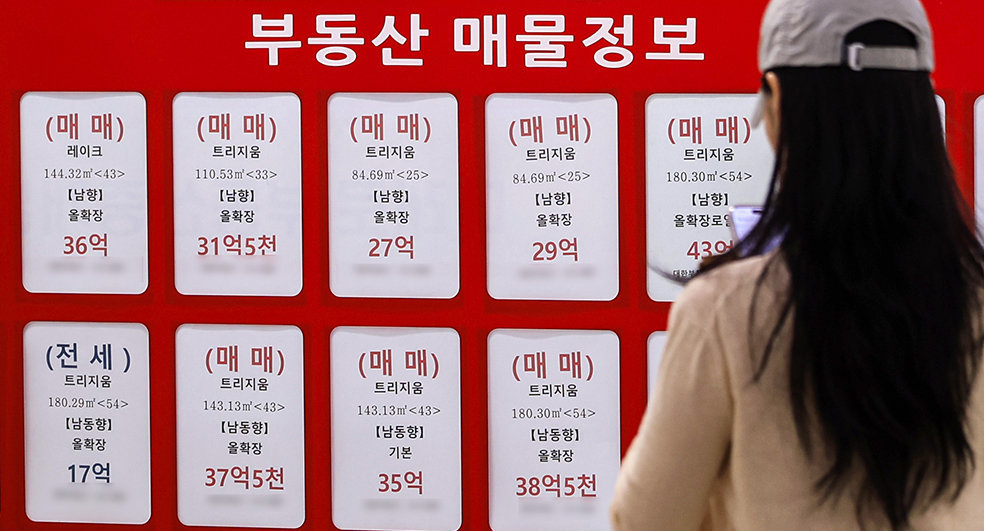
South Korean President Yoon Suk Yeol's recent comments suggesting the normalization of the "jeonse" system, a unique Korean housing rental arrangement involving a large lump-sum deposit, have sparked backlash from young tenants and real estate professionals. Yoon stated during his first-anniversary press conference that the jeonse system functions as a form of private financing and that excessive jeonse loans have contributed to rising housing prices.
However, many tenants argue that while they understand the president's concerns about the system's structure, the reality of housing costs makes jeonse an unavoidable choice. "I understand the president's words, but if I live in a monthly rental, my monthly expenses will double," said Lee, a 30-something office worker living in jeonse. "The jeonse price isn't skyrocketing; it's that jeonse prices have risen by 100 million won in six months, making many people consider buying a home through aggressive loans."
I understand the president's words, but if I live in a monthly rental, my monthly expenses will double.
Younger generations and newlyweds often rely on jeonse as a stepping stone to better housing. For instance, Hwang, 33, who lives in a 59㎡ apartment in Seoul with a 400 million won jeonse deposit, with 300 million won financed by a government loan, pays about 500,000 won in monthly interest. She noted that monthly rents for comparable apartments often exceed 1.5 million won, making jeonse comparatively more affordable despite the interest payments. "When looking for a home for newlyweds, even for the same apartment size, monthly rent often exceeded 1.5 million won, making it unaffordable," Hwang explained.
The jeonse price isn't skyrocketing; it's that jeonse prices have risen by 100 million won in six months, making many people consider buying a home through aggressive loans.
Real estate agents confirm the scarcity and rising costs of jeonse properties. In Sanggye-dong, a popular area for young couples and singles, one agent reported having no jeonse listings available among 2,000 apartments. When listings do appear, prices often increase by 10 to 20 million won due to high demand. The situation is compounded by government policies, such as the October 10.15 real estate measures, which imposed a two-year residency requirement in designated areas, further reducing the supply of jeonse properties.
Official data reflects this trend, with Seoul apartment jeonse transactions in May reaching their lowest point since November 2015. The supply shortage has driven up prices, with Seoul apartment jeonse prices increasing by 1.15% in May, the largest monthly rise since April 2015. Experts warn that while the decline of jeonse may be inevitable, the current rapid pace is detrimental to lower-income households who depend on it.
When looking for a home for newlyweds, even for the same apartment size, monthly rent often exceeded 1.5 million won, making it unaffordable.
DistantNews Editorial
Originally published by Dong-A Ilbo in Korean. Translated, summarized, and contextualized by our editorial team with added local perspective. Read our editorial standards.
More Stories


From Our Blog

What Gets Lost (and Found) When News Is Translated

The Critical Role of Diaspora Media in Global News

What Travellers Should Know About Countries with Restricted Press

A Digital Nomad's Guide to Following Local News

How the Same Story Looks Different in Different Countries
