

South Koreans Spend More on 'Heatwave Costs' Amid Extreme Temperatures
Translated from Korean, summarized and contextualized by DistantNews.
At a glance
News
Sources not specified
Context piece
- Record-breaking heatwaves in South Korea are forcing consumers to increase spending on "heatwave costs," including transportation, food delivery, and cooling products.
- Consumers are opting for more taxis and food deliveries, even for short distances, to avoid the extreme heat and its associated health risks.
- Sales of summer essentials like samgyetang (ginseng chicken soup) and bingsu (shaved ice) have surged, alongside a rise in ready-to-eat meals and meal kits to minimize indoor cooking time.
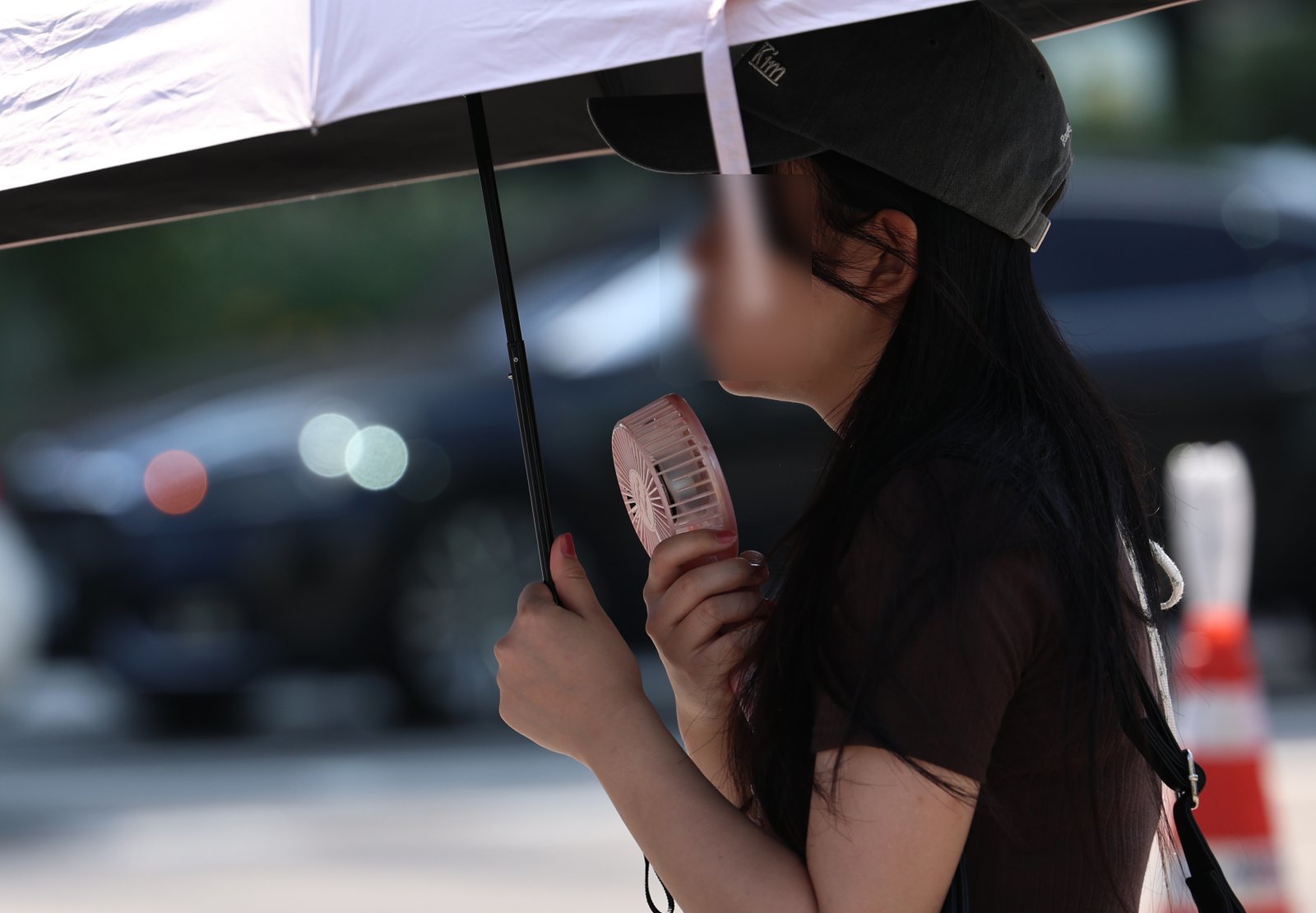
South Korea is experiencing a significant rise in "heatwave costs" as relentless heatwaves drive consumers to spend more on essentials previously considered optional. From cooling gadgets to increased transportation and food delivery expenses, the extreme weather is creating a new burden on household budgets.
Many individuals are finding themselves making purchases they wouldn't normally consider. "It's a bit of a waste, but I have to spend money to maintain social life," said office worker Gu Tae-hyung, 26, who spent about 100,000 won on heatwave-related items like a wearable fan and cooling towels. He also noted increased spending on brief respites in air-conditioned cafes or convenience stores while waiting for buses. Others, like office worker Yoon, 36, have shifted from cycling to taking taxis for short commutes, a change driven by the discomfort of braving the heat.
It's a bit of a waste, but I have to spend money to maintain social life. Normally I ride a public bike, but these days my hand naturally goes to the taxi app.
The trend is reflected in consumer behavior data. Online searches for fans, air conditioners, and dehumidifiers have spiked. In the fashion sector, items like sun-blocking hooded jackets and parasols are trending. Taxi services report a noticeable increase in short-distance rides, with drivers estimating that 5-6 of their daily trips are now for distances under 2 kilometers, a significant jump from previous norms.
From July, as it got hotter, the number of short-distance customers definitely increased. Even though it costs more than the bus, many people use taxis. If I used to have 1-2 short-distance customers out of 20 rides a day, these days it's 5-6.
Food delivery services have also seen a surge in orders. Data from Baedal Minjok shows a roughly 6% increase in orders in early August compared to the previous month, with a peak of 30% more orders on August 31st compared to the same day of the week in July. Popular items include samgyetang (up 65.1% year-on-year), bingsu, and cold noodle soups. The demand for ready-to-eat meals and meal kits has also risen, as consumers seek to minimize time spent cooking in hot kitchens.
Lee Eun-hee, a consumer science professor at Inha University, notes that what were once discretionary expenses, like taking taxis or ordering food delivery, are becoming necessary expenditures for health and safety during the heatwave. "While the additional costs to avoid the heatwave increase the burden on households, it is advisable to spend the necessary costs to cope with the heatwave rather than risking one's health or experiencing psychological stress," she said.
While the additional costs to avoid the heatwave increase the burden on households, it is advisable to spend the necessary costs to cope with the heatwave rather than risking one's health or experiencing psychological stress.
DistantNews Editorial
Originally published by Dong-A Ilbo in Korean. Translated, summarized, and contextualized by our editorial team with added local perspective. Read our editorial standards.
More Stories
From Our Blog

What Gets Lost (and Found) When News Is Translated

The Critical Role of Diaspora Media in Global News

What Travellers Should Know About Countries with Restricted Press

A Digital Nomad's Guide to Following Local News

How the Same Story Looks Different in Different Countries
