


South Seas Expedition: A Deadly Search for Nickel
Translated from German, summarized and contextualized by DistantNews.
At a glance
In-depth
Sources not specified
Context piece
- An Austrian expedition to the South Pacific between 1895 and 1898, aimed at finding nickel deposits, ended disastrously with the deaths of its scientific leader and four other members.
- The expedition, funded by industrialist Arthur Krupp, sought nickel for industrial uses like cutlery and armor plating, but faced diplomatic sensitivities due to colonial claims in the region.
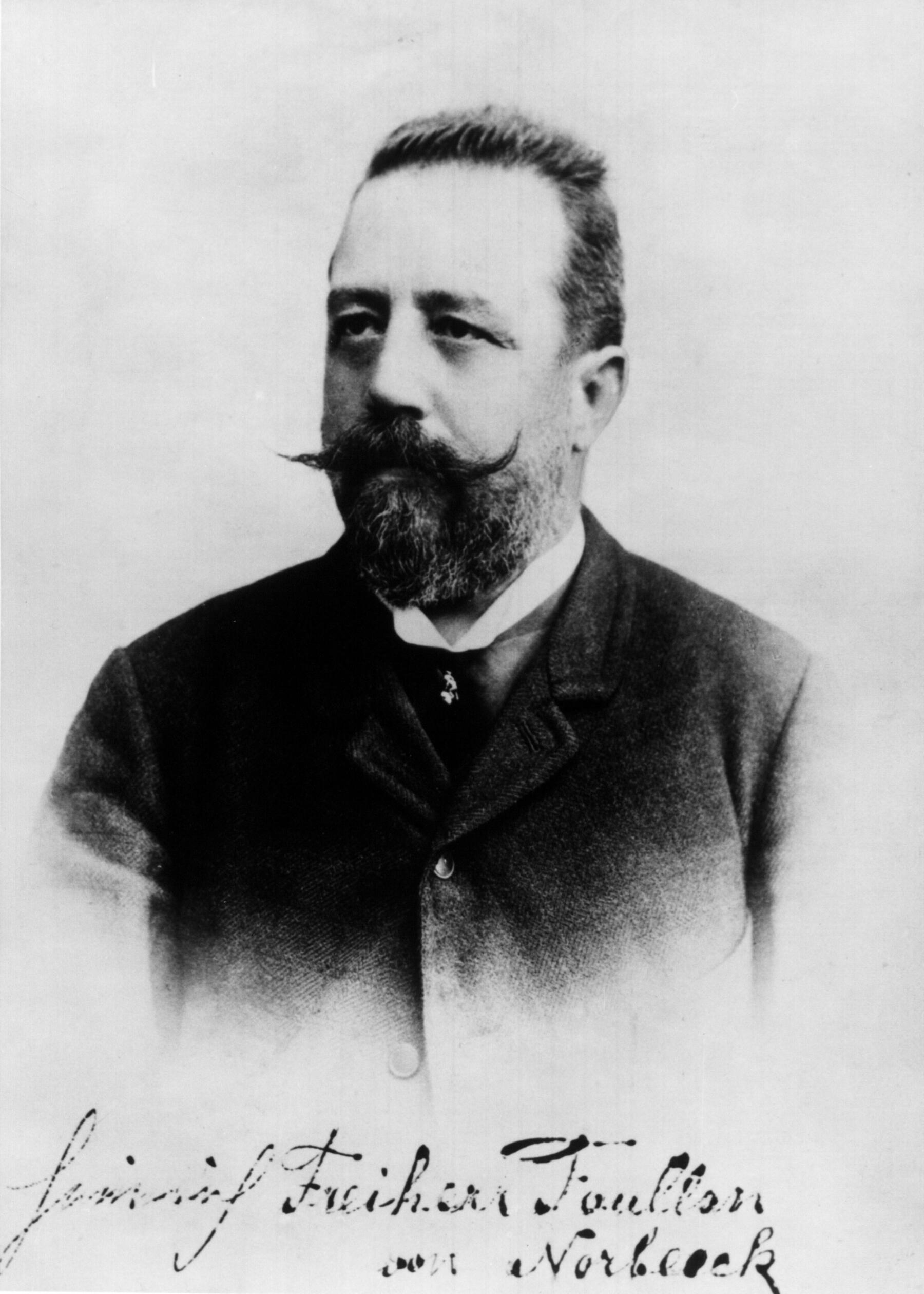
- Geologist Heinrich Foullon von Norbeeck led the mission, which was officially scientific but secretly a 'special mission' approved by the Kaiser, ultimately resulting in his death on Guadalcanal.
Austria, a nation not historically known for seafaring, launched a significant expedition to the South Pacific in the late 19th century. The 1895-1898 mission, however, remains largely obscure compared to other Austrian voyages of the era. While explorers like Johann Natterer and Julius Payer achieved lasting fame, the leader of this South Pacific journey, geologist Heinrich Foullon von Norbeeck, is now mostly known only to specialists. This obscurity is largely due to the expedition's tragic outcome: Foullon and four other members died at their destination.
The expedition's primary goal was the search for nickel, a metal increasingly vital for Europe's industrializing economies. Industrialist Arthur Krupp, seeking the raw material for his Berndorf metalware factory, funded overseas expeditions. Nickel was essential for alloys like "Neusilber" used in cutlery and, by the late 1880s, for armor plating. Foullon, an experienced geochemist and mineralogist who had previously prospected for nickel in various global locations, had already undertaken a fruitless search in Fiji and the Solomon Islands in 1893. However, promising findings on Guadalcanal prompted Krupp to push for another expedition.
Despite initial reluctance and awareness of the dangers, Foullon was persuaded to lead the mission. He was appointed chief geologist of the Imperial Geological Institute and took out insurance for his family. In October 1895, the SMS Albatros, a naval gunboat, departed from Pula. Only Captain Josef Mauler von Elisenau and Foullon knew the true objective: nickel prospecting. The mission was officially presented as scientific research, but Kaiser Franz Joseph I had personally approved Foullon's leave for this "special mission."
The secrecy surrounding the expedition was due to its delicate diplomatic implications. The northern Solomon Islands were a German protectorate since 1885, while Britain had claimed the southern part, including Guadalcanal, as a protectorate in 1893. Upon reaching Guadalcanal on August 5, 1896, Foullon began his work with a small team and local guides. His fate, and that of his companions, was sealed when he was killed on August 10, 1896, on the island, reportedly by cannibals. A memorial plaque in Vienna is the only current reminder of this ill-fated venture.
DistantNews Editorial
Originally published by Die Presse in German. Translated, summarized, and contextualized by our editorial team with added local perspective. Read our editorial standards.
More Stories


From Our Blog

What Gets Lost (and Found) When News Is Translated

The Critical Role of Diaspora Media in Global News

What Travellers Should Know About Countries with Restricted Press

A Digital Nomad's Guide to Following Local News

How the Same Story Looks Different in Different Countries
