


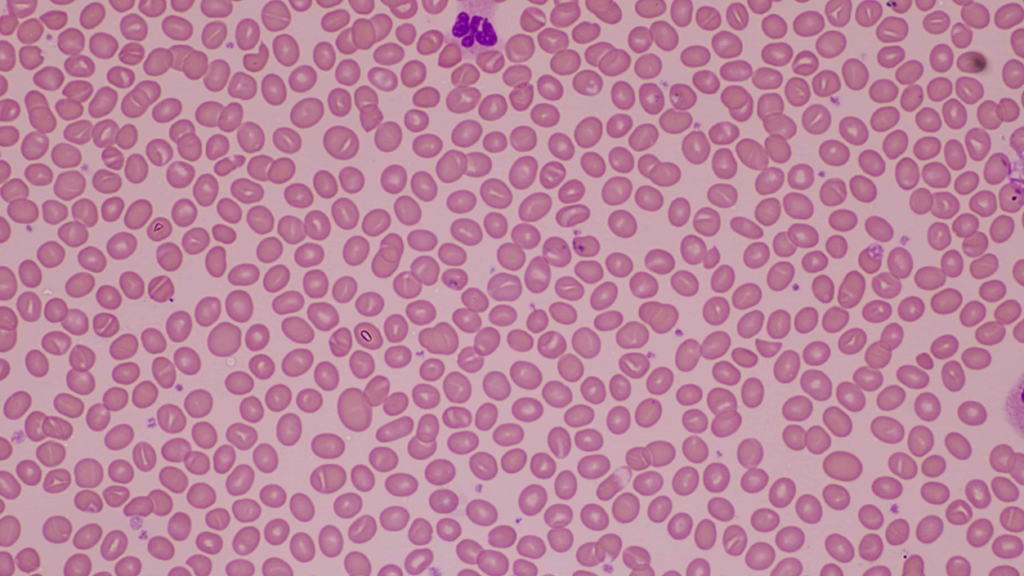
Southeast Asian Ovalocytosis: Understanding the genetic trait
Translated from Malay, summarized and contextualized by DistantNews.
At a glance
Explainer
Sources not specified
Context piece
- Southeast Asian Ovalocytosis (SAO) is a genetic condition affecting red blood cells, causing them to be oval-shaped.
- It is common in Southeast Asia and is not considered a disease, typically not impacting quality of life.
- SAO can be inherited and may cause complications if present alongside other blood disorders like thalassemia.
A common genetic condition found in Southeast Asia, Southeast Asian Ovalocytosis (SAO), is often misunderstood as a serious illness. However, medical experts clarify that SAO is not a disease but a variation in red blood cell shape. Individuals with SAO have red blood cells that are oval rather than the typical round shape, a characteristic stemming from genetic changes in a protein called band 3 on the cell surface.
Dr. Hafizuddin Mohamed Fauzi, a Hematopathology Specialist at Sultan Zainal Abidin Hospital (Hosza), explained that SAO is not caused by modern lifestyle factors like diet or environment. Generally, the condition is harmless, not contagious, and does not affect a person's quality of life. Problems may only arise if SAO occurs alongside other health issues, such as iron deficiency or thalassemia, which can lead to anemia symptoms like fatigue, dizziness, or paleness.
SAO is prevalent in populations across Southeast Asia, including Malaysia, Indonesia, and Thailand, and has also been reported in the Pacific Islands and Melanesia due to population movements and intermarriages. Historically, the condition is believed to have offered partial protection against malaria. As it is hereditary, SAO can be passed down from parents to children. If only one parent carries the SAO gene, each child has a 50% chance of inheriting it. In most cases, children do not exhibit symptoms and lead normal lives.
However, if both parents carry the SAO gene, there is approximately a 25% risk per pregnancy of a child inheriting a more severe form. This can result in low hemoglobin levels from birth, enlarged liver and spleen, and other complications, particularly if inherited alongside conditions like thalassemia. Treatment for SAO is generally not required. The focus is on identifying and managing any co-existing conditions, such as iron deficiency or infections. Individuals with SAO are advised to inform their doctors to prevent misinterpretation of blood test results.
DistantNews Editorial
Originally published by Utusan Malaysia in Malay. Translated, summarized, and contextualized by our editorial team with added local perspective. Read our editorial standards.
More Stories

From Our Blog

What Gets Lost (and Found) When News Is Translated

The Critical Role of Diaspora Media in Global News

What Travellers Should Know About Countries with Restricted Press

A Digital Nomad's Guide to Following Local News

How the Same Story Looks Different in Different Countries
