


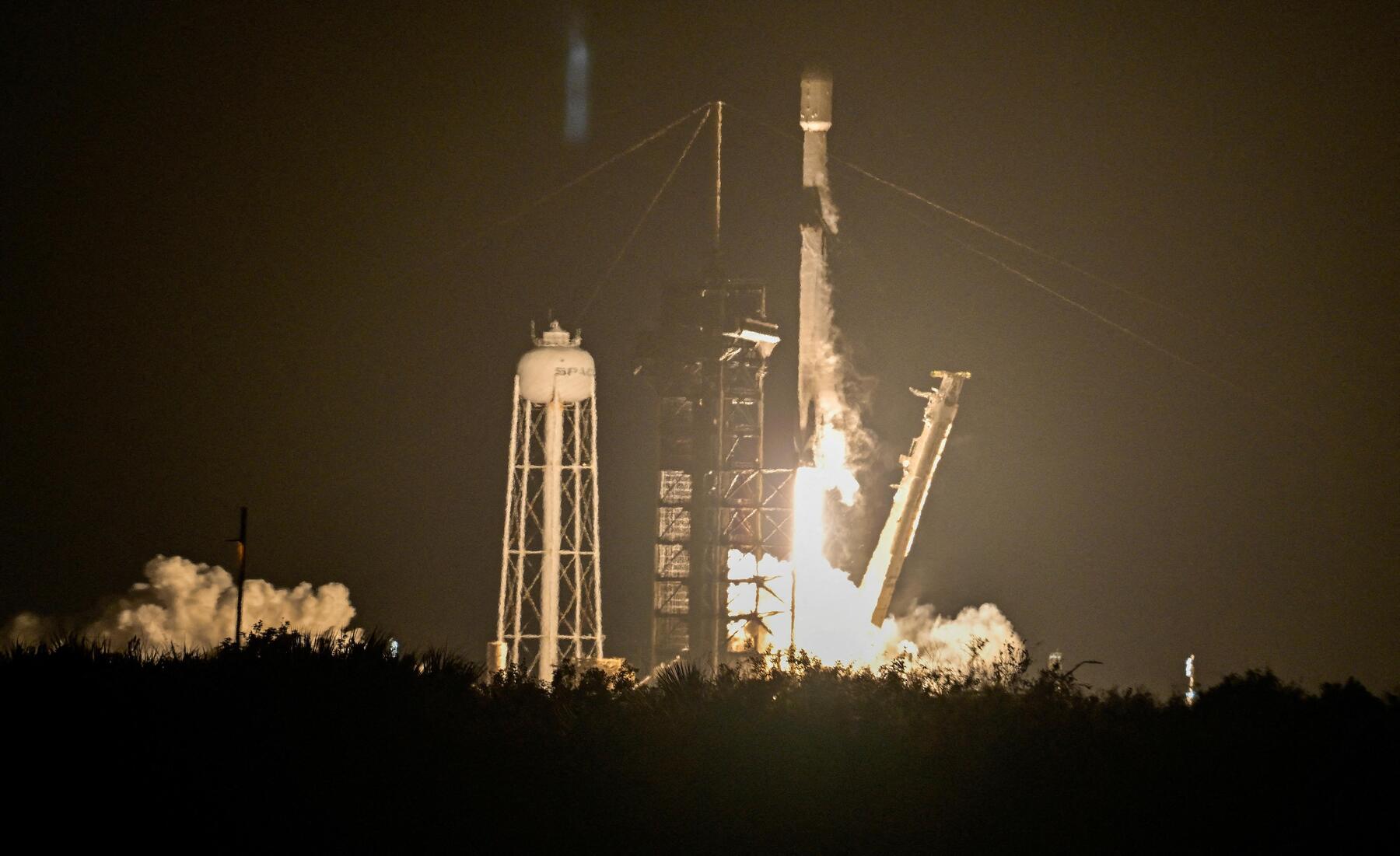
SpaceX Rocket Debris Reportedly Crashes Into Moon
Translated from German, summarized and contextualized by DistantNews.
At a glance
News
From a news agency
Outcome reported
- A four-ton section of a SpaceX rocket is believed to have impacted the Moon at over 8,600 km/h.
- The impact is expected to have created a new crater on the lunar surface, though official confirmation from NASA may take days.
- SpaceX and NASA are discussing methods to prevent future lunar impacts.
A four-ton segment of a SpaceX rocket, which has been drifting in space since January 2025, is believed to have crashed into the Moon at a speed exceeding 8,600 kilometers per hour. The object, described as being the size of a building, was projected to hit the lunar surface on Wednesday morning.
While the impact is not expected to pose any danger to Earth, scientists anticipate the creation of a new crater on the Moon. NASA calculations suggest the crater could be up to four meters deep and 18 meters wide. Official confirmation and detailed analysis of the event will likely require several days, as probes need to capture and transmit images from the collision site, which is located near the Moon's visible edge.
What happened is essentially a combination of solar activity and gravitational forces that put it on a trajectory to the moon.
Julianna Scheiman, SpaceX's director for NASA science and Dragon programs, explained that the rocket's trajectory was influenced by a combination of solar activity and gravitational forces. Normally, upper rocket stages burn up upon re-entry into Earth's atmosphere, but missions with higher energy require different disposal maneuvers.
Both NASA and SpaceX are reportedly discussing strategies to prevent similar incidents in the future. This event highlights the growing challenge of managing space debris and ensuring the safety of celestial bodies from human-made objects as space exploration and commercial activities increase.
No danger to Earth.
DistantNews Editorial
Originally published by Die Presse in German. Translated, summarized, and contextualized by our editorial team with added local perspective. Read our editorial standards.
More Stories



From Our Blog

What Gets Lost (and Found) When News Is Translated

The Critical Role of Diaspora Media in Global News

What Travellers Should Know About Countries with Restricted Press

A Digital Nomad's Guide to Following Local News

How the Same Story Looks Different in Different Countries
