


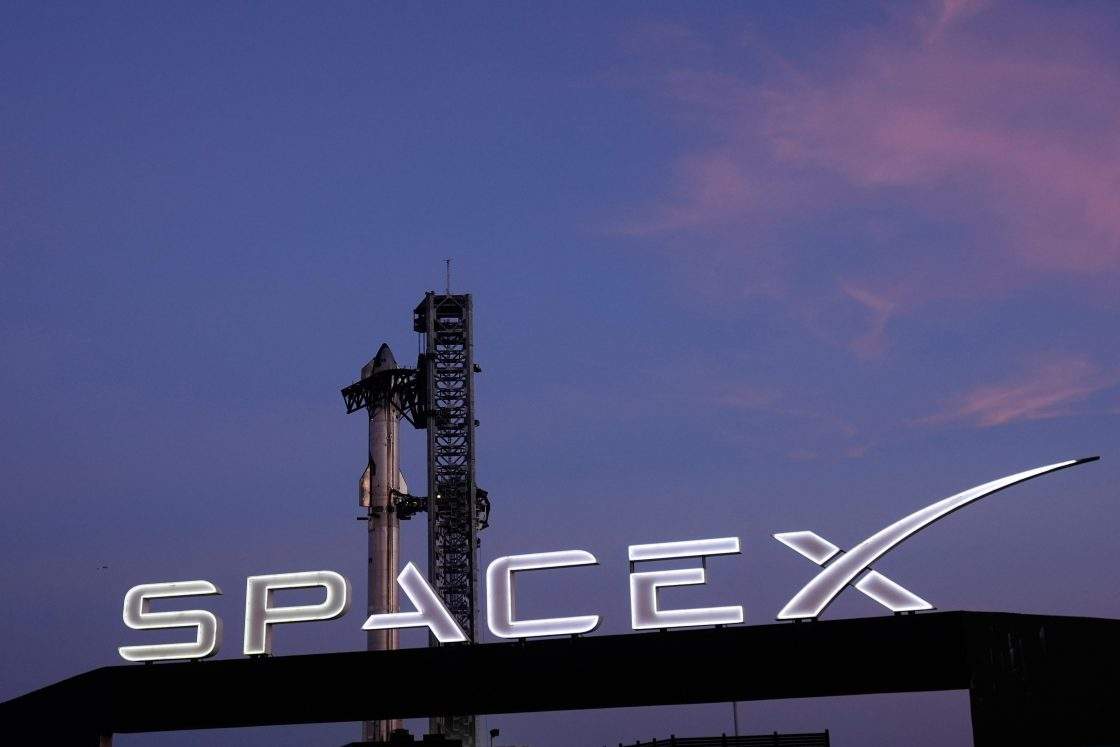
SpaceX stock sinks after first ever earnings revealed big AI spending plans
Summarized and contextualized by DistantNews.
At a glance
News
Sources not specified
Context piece
- SpaceX's stock price dropped 10% after its first earnings call revealed significant AI spending, raising investor concerns about the profitability of its Starlink business.
- The company reported AI revenue tripled year-over-year, with capital spending on AI reaching $15.8 billion, though Chief Financial Officer Bret Johnsen indicated a payback period of less than one year for these investments.
- Despite heavy investment, SpaceX is projecting an annualized revenue run rate of $100 billion by year-end, contrasting with its current free cash flow negative status due to substantial AI infrastructure spending.
SpaceX's stock experienced a notable decline, falling approximately 10% to $113 per share at Wednesday's opening, trading below its IPO price just two months after its public debut. This downturn followed the company's first-ever earnings call, where it disclosed substantial investments in artificial intelligence.
The current economics have translated into a less than one-year payback on our new capital deployments for compute.
During the call, Chief Financial Officer Bret Johnsen highlighted that AI revenue had more than tripled compared to the previous year. However, quarterly capital spending on AI surged to $15.8 billion. Johnsen attempted to reassure investors by stating that the economics of these investments are rapidly improving, with a payback period of less than one year for new capital deployments. He also revealed additional cloud computing contracts worth $6.7 billion signed since the end of the second quarter.
Despite these aggressive investments, SpaceX is forecasting an impressive $100 billion annualized revenue run rate by the end of the year. This projection contrasts sharply with the company's current financial status, as it remains free cash flow negative due to its ongoing heavy investment in AI infrastructure. The company's AI business generated $2.6 billion in second-quarter revenue, a threefold increase year-over-year, though it operated at a loss.
Elon [Musk] has continued to surprise investors on what innovation and technology can do, but there has always been a mismatch in terms of the time frame of when that execution is going to occur.
Portfolio manager David Wagner commented on the situation, noting that while Elon Musk consistently surprises with innovation, there's often a mismatch in the expected execution timelines. Wagner expressed belief in the reported numbers, describing them as aggressive but not fantastical, contingent on flawless execution. The investment debate has shifted from viewing Starlink's cash flows as the primary funding source for AI ambitions to management's argument that AI infrastructure itself is becoming self-financing.
I believe the numbers. I would say that yes, those numbers are aggressive, but it’s not a fantasy. The pieces exist, they just require flawless execution.
DistantNews Editorial
Originally published by Global News. Summarized and contextualized by our editorial team with added local perspective. Read our editorial standards.
More Stories

From Our Blog

What Gets Lost (and Found) When News Is Translated

The Critical Role of Diaspora Media in Global News

What Travellers Should Know About Countries with Restricted Press

A Digital Nomad's Guide to Following Local News

How the Same Story Looks Different in Different Countries
