


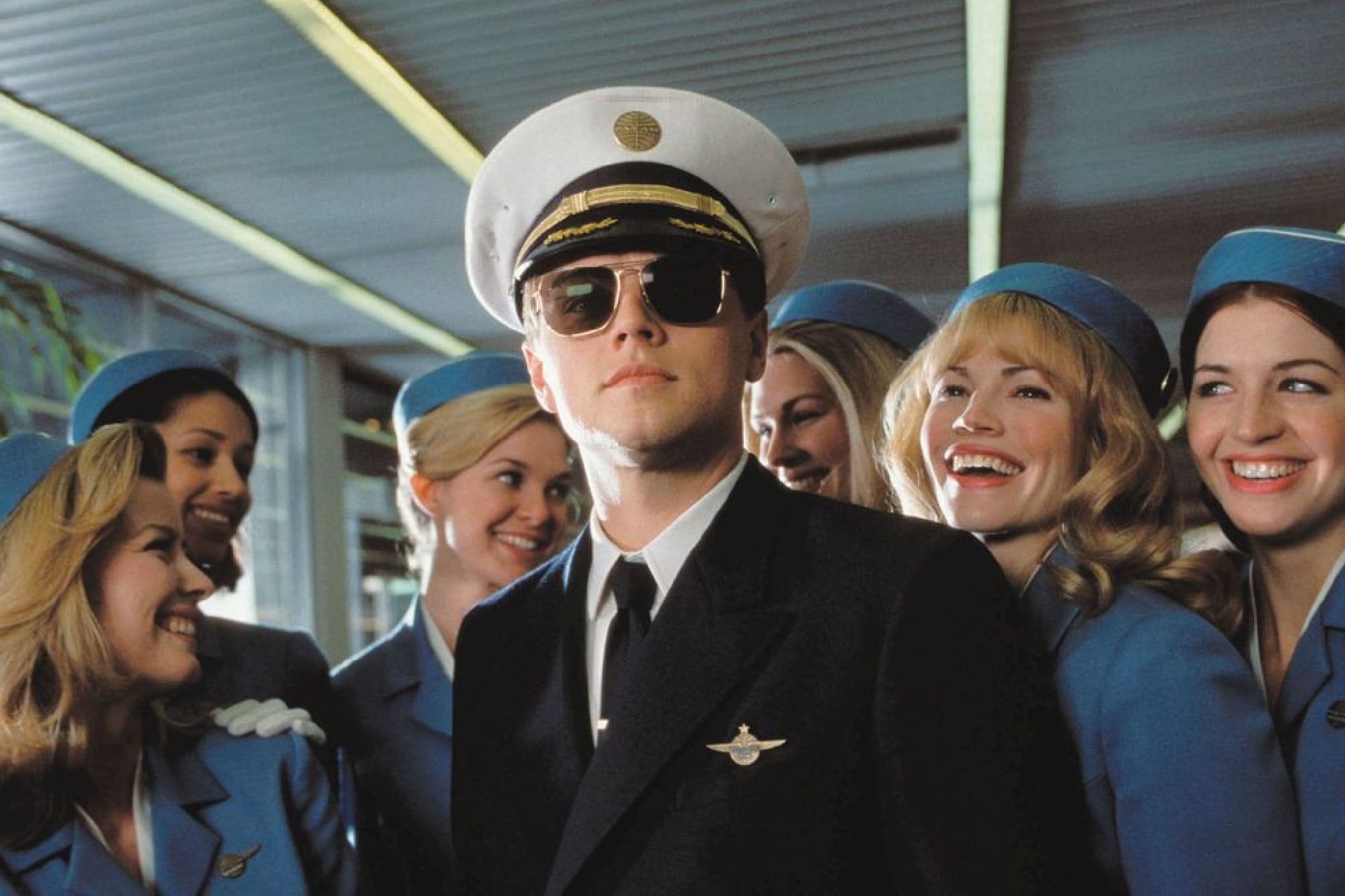
Spielberg's Magic: Five Films Explaining His Cinematic Greatness
Translated from Spanish, summarized and contextualized by DistantNews.
At a glance
In-depth
Sources not specified
Context piece
- Steven Spielberg, one of the most influential living directors, has released his 35th film, prompting reflection on his cinematic legacy.
- Spielberg's unique approach, often starting with a character's reaction rather than a wide shot, draws viewers into his stories, as seen in films like "Jurassic Park" and "War of the Worlds."
- His films have created enduring cultural icons and resonate with audiences due to his deep connection to the viewer's experience.
Steven Spielberg, the most influential living director of the past five decades, has released his 35th film. His work has not only shaped cinema but also inspired new forms of filmmaking by serving as a point of contrast for other artists. Unlike academic cinephiles, Spielberg approaches filmmaking as a voracious spectator, a quality that makes his work feel more accessible than that of his contemporaries like Scorsese or Coppola.
Spielberg also serves to "film against him" and that new forms appeared.
Spielberg has a remarkable ability to create universally recognized icons, including the shark from "Jaws," E.T., Indiana Jones, and the dinosaurs from "Jurassic Park." It's rare for audiences not to be familiar with at least five of his films. This ubiquity raises the question of what makes Spielberg's cinema so captivating.
He is also one of those few directors who, before starting to film, places himself in the spectator's seat.
One of Spielberg's signature techniques is to invert traditional cinematic storytelling. Instead of starting with a general view and narrowing down to specifics, like Hitchcock in "Rear Window," Spielberg often begins with a character's astonished reaction. This method immediately draws the viewer into the narrative, prompting questions about what the character is seeing and why they are reacting that way. While the brontosaurus reveal in "Jurassic Park" is famous, this technique is arguably best implemented in "War of the Worlds."
He is also a creator of icons so fixed today in the popular imagination that it is astonishing: the Shark, E.T., Indiana Jones, the T-Rex and the Velociraptors are part of a universal heritage that refers to his work.
In "War of the Worlds," adapted from H.G. Wells' novel, Spielberg captures the pervasive fear in post-9/11 America. The father-son adventure is built on subtle indications of the alien invasion, bodies in a river, scattered clothing, seen through the characters' eyes, rather than overt displays of the extraterrestrial threat. This approach immerses the audience in the characters' fear and uncertainty.
How is it and why does Steven Spielberg's cinema attract us?
DistantNews Editorial
Originally published by La Nación in Spanish. Translated, summarized, and contextualized by our editorial team with added local perspective. Read our editorial standards.
More Stories



From Our Blog

What Gets Lost (and Found) When News Is Translated

The Critical Role of Diaspora Media in Global News

What Travellers Should Know About Countries with Restricted Press

A Digital Nomad's Guide to Following Local News

How the Same Story Looks Different in Different Countries
