


Split, Makarska, Zadar: Dalmatian cities curb nighttime alcohol sales due to tourist disorder
Translated from Croatian, summarized and contextualized by DistantNews.
At a glance
News
Sources not specified
Context piece
- Split is considering banning nighttime alcohol sales in stores from 9 PM to 6 AM, starting in August, to curb tourist-related public disorder.
- Makarska has already implemented a year-round ban on nighttime alcohol sales in stores, following changes to the Trade Law that allow local authorities to restrict alcohol sales.
- The new law, which took effect on June 17, 2026, permits local governments to limit or prohibit alcohol sales in various retail outlets, excluding hospitality venues.
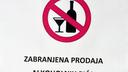
Split is poised to become the second Croatian city to ban nighttime alcohol sales in stores, following a proposal to be presented to the City Council on July 29. The measure aims to address public disorder incidents involving tourists, such as climbing lampposts, bathing in fountains, and public urination, particularly in historic city centers.
The proposed ban would prohibit the sale of alcohol in shops, kiosks, bakeries, and gas stations from 9 PM to 6 AM, specifically from June 1 to September 15. Split's Mayor Tomislav Šuta initiated this proposal, emphasizing its role in protecting the quality of life for residents in the city core. The decision follows a public consultation period and requires City Council approval to take effect, likely in August.
Makarska, a popular tourist destination, was the first Croatian city to enact such a ban. On July 14, its City Council approved a year-round prohibition on alcohol sales in stores between 9 PM and 6 AM. This decision was based on the amended Trade Law, which came into effect on June 17, 2026, empowering local governments to regulate alcohol sales.
I hope the councilors will adopt it so we can at least mitigate the nighttime disorder in the city. We could not adopt it earlier because we respected the legal procedure, but it should certainly start being implemented in August. This decision is one of a series aimed at protecting the quality of life of the population in the city center.
The amended law allows municipalities and cities to restrict or completely ban alcohol sales in retail outlets, with the exception of catering establishments. Makarska's city officials stated that the ban is a response to mass gatherings, noise, inappropriate behavior, and damage to the historic core during the summer months. They stressed that the measure aims to balance residents' quality of life, economic interests, visitor needs, and the preservation of the city's cultural heritage and identity, aligning with Makarska's strategy for sustainable development.
Despite Makarska's early adoption, the timing of its public consultation, which began before the law's official enactment, led to some procedural questions raised by the local HDZ party. However, the city administration maintains the legality of its process and highlights the measure's importance in managing public spaces and tourism more responsibly.
With this decision, Makarska takes responsibility for the quality management of its space and tourism. I emphasize that the measure applies exclusively to the sale of alcohol in stores and other retail outlets, and not...
DistantNews Editorial
Originally published by Večernji List in Croatian. Translated, summarized, and contextualized by our editorial team with added local perspective. Read our editorial standards.
More Stories



From Our Blog

What Gets Lost (and Found) When News Is Translated

The Critical Role of Diaspora Media in Global News

What Travellers Should Know About Countries with Restricted Press

A Digital Nomad's Guide to Following Local News

How the Same Story Looks Different in Different Countries
