

Srebrenica commemoration and the path to healing a divided Europe
Translated from German, summarized and contextualized by DistantNews.
At a glance
Analysis
Sources not specified
Context piece
- The article reflects on the ongoing struggle for reconciliation and healing 31 years after the Srebrenica genocide, Europe's worst war crime since World War II.
- It criticizes the international community's past failures and the continued polarization fueled by historical revisionism and denial, particularly in the Balkans.
- The piece argues that Srebrenica symbolizes contemporary Europe's challenges with extremism, the battle between facts and myths, and the poisoning of political discourse, urging for healing over division.
Thirty-one years after the Srebrenica genocide, Europe's most horrific war crime since World War II, the process of reconciliation and healing remains stagnant. The article paints a somber picture, suggesting that time in the region feels suspended, reopening old wounds rather than closing them. It poses critical questions about the current standing of descendants and witnesses, and Europe's engagement with the memory of Srebrenica, particularly for Austria.
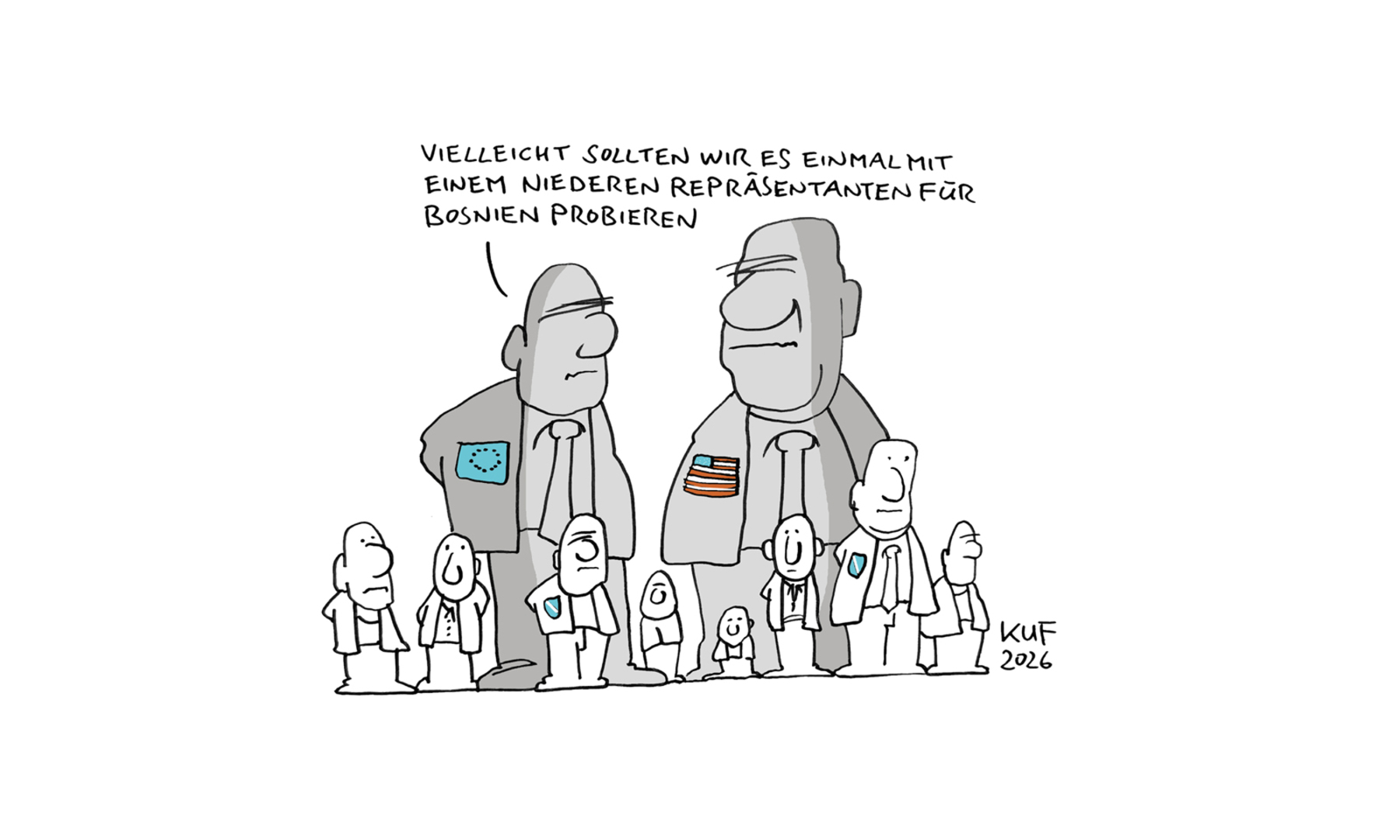
The author revisits the failures of the international community, including a nascent European Union, during the Bosnian crisis of the 1990s. The piece recalls tactless statements from Western politicians that dismissed Bosnia's European aspirations and juxtaposes them with contemporary reports of atrocities reminiscent of Nazi-era barbarity. The narratives of survivors, filled with pain, grief, and powerlessness, are contrasted with the persistent victim-perpetrator paradigm that polarizes the region annually, questioning the nature of perpetrators and the agency of victims.
This cycle of historical revisionism and denial, the article contends, is actively exploited by a small, unscrupulous political elite to maintain power and sow societal division. This tactic, ancient in its origins, finds new and tragic expression in 2026, both in Europe and across the Atlantic. The piece posits that Srebrenica has become a symbol of modern Europe's struggles: its failure to combat extremism, its battle against misinformation, and the pervasive toxicity in political discourse, characterized by slander and incitement against those with differing views.
In Austria, a nation built on a political consensus between its two major parties, the narrative of the Srebrenica genocide should hold particular significance. This is not only due to shared history and the presence of over 90,000 Austrian citizens of Bosnian origin, but also because of the tangible danger posed by the unchecked spread of divisive rhetoric and historical distortion. The article calls for a path of healing, emphasizing the urgent need to confront these challenges rather than succumbing to further division.
DistantNews Editorial
Originally published by Die Presse in German. Translated, summarized, and contextualized by our editorial team with added local perspective. Read our editorial standards.
More Stories


From Our Blog

What Gets Lost (and Found) When News Is Translated

The Critical Role of Diaspora Media in Global News

What Travellers Should Know About Countries with Restricted Press

A Digital Nomad's Guide to Following Local News

How the Same Story Looks Different in Different Countries
