

Sri Lanka Overhauls Advanced Level Vocational Stream
Translated from Sinhala, summarized and contextualized by DistantNews.
At a glance
News
Named sources
New plan
- Sri Lanka's Prime Minister and Minister of Education, Dr. Harini Amarasuriya, announced reforms to the Advanced Level (A-Level) vocational stream.
- The reforms aim to align the curriculum with new generation trends and industry needs.
- Discussions focused on the structure, certification process, and expanding access to higher education through lateral entry.
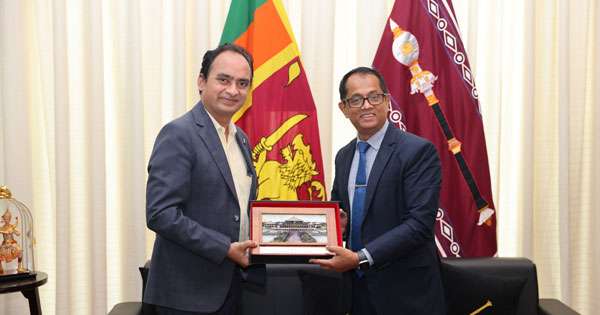
Sri Lanka's vocational stream for Advanced Level (A-Level) studies is set for a significant overhaul, aiming to better prepare students for emerging industry demands and contemporary career paths. Prime Minister and Minister of Education, Higher Education, and Vocational Education, Dr. Harini Amarasuriya, announced the initiative, emphasizing its importance for the nation's future workforce.
The vocational stream for the Advanced Level will be structured taking into account the trends of the new generation and the needs of the industry.
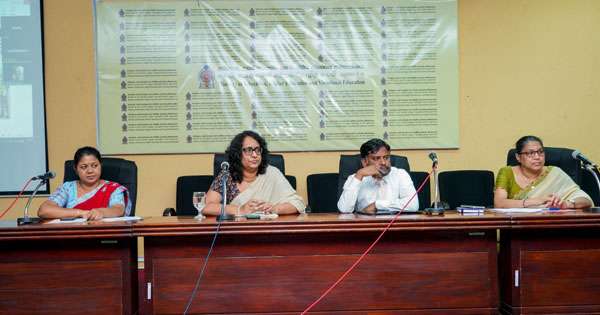
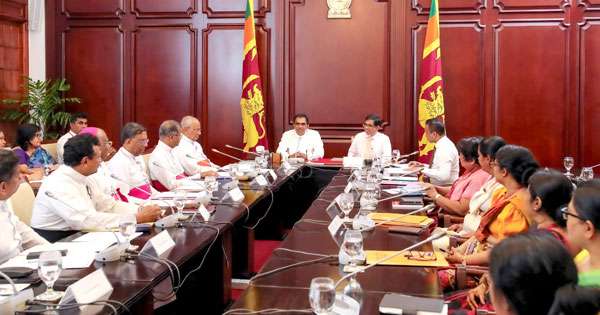
The reforms are designed to incorporate new generation trends and the specific needs of various industries. A key focus of the revision is the structure and certification process of the vocational stream. Discussions held at the Ministry of Education centered on establishing fundamental criteria for the revised curriculum and exploring new pathways for students to access higher education.
Dr. Amarasuriya stressed the need for a robust qualification and certification process to ensure that students completing the vocational stream are equipped with the foundational skills for recognized professional careers. She also highlighted the importance of a carefully designed selection process to admit students into the program, ensuring they are well-suited for the vocational path.
A structured qualification and certification process should be established through which the foundation for a recognized professional life can be laid for students studying this subject stream.
Furthermore, the initiative aims to broaden access to higher education by incorporating a "lateral entry" process. This would allow students to enter higher education programs based on their vocational qualifications and experience, potentially opening up new avenues for those who may not have followed traditional academic routes. The Prime Minister also underscored the necessity of public awareness campaigns to highlight the value of vocational education and the specific employment sectors it targets, thereby boosting its social and economic standing.
The process of lateral entry should also be included to broaden access to higher education.
DistantNews Editorial
Originally published by Lankadeepa in Sinhala. Translated, summarized, and contextualized by our editorial team with added local perspective. Read our editorial standards.
More Stories
From Our Blog

What Gets Lost (and Found) When News Is Translated

The Critical Role of Diaspora Media in Global News

What Travellers Should Know About Countries with Restricted Press

A Digital Nomad's Guide to Following Local News

How the Same Story Looks Different in Different Countries
