

Stakeholders Blamed for Costly Tarbela Dam Cofferdam Collapse
Translated from English, summarized and contextualized by DistantNews.
At a glance
News
Documents & data
Outcome reported
- A government inquiry found contractor, consultant, and Wapda responsible for the cofferdam collapse at the Tarbela-5 Extension Hydropower Project.
- The collapse caused a two-year delay and increased the project cost by over 285%, from Rs82 billion to Rs317 billion.
- The project, involving loans from the World Bank and AIIB, is now expected to be completed by June 2028, with potentially unsustainable generation costs.
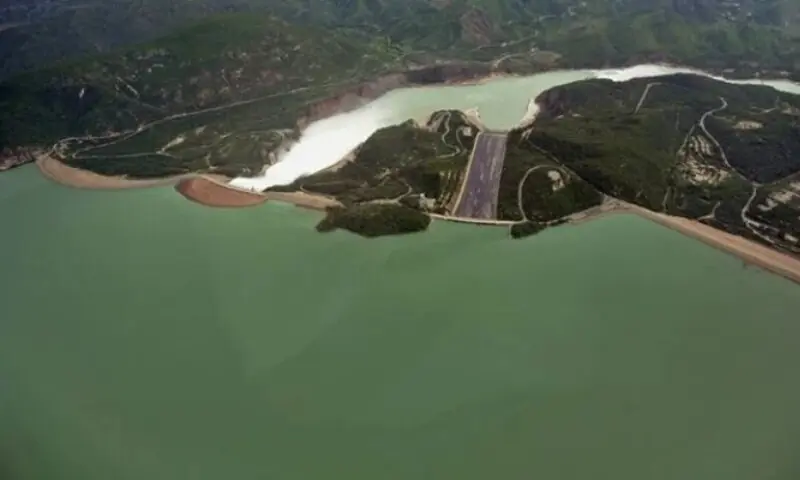
A government-appointed inquiry committee has assigned blame for the cofferdam collapse at the 1,530MW Tarbela-5 Extension Hydropower Project to all three primary stakeholders: the contractor, the consultant, and the employer, Wapda.
The committee cited unauthorized post-contract design changes as a major cause of the incident. The collapse has led to a significant two-year delay and a staggering cost escalation of over 285%. The project's cost has ballooned from an initial Rs82 billion to Rs317 billion.
This dramatic cost increase has raised concerns about the project's economic viability. The Planning Commission estimates that the levelized generation cost over 30 years could reach Rs27-28 per unit, potentially making it the highest for renewable energy in the country and rendering it unsustainable.
The cofferdam collapse incident resulted from a series of extra-contractual steps and contractual violations at all three levels. The contractor submitted a proposal to change the design of the cofferdam, which was contractually not allowed; the engineer accepted the design deficiency conditionally without ensuring technical compliance; and the employer approved it when construction was about to finish, without questioning the contractual validity of the design change and the technical deficiency.
The inquiry report detailed a series of "extra-contractual steps and contractual violations" at all levels. It noted that the contractor proposed a design change that was contractually prohibited, the engineer conditionally accepted the deficiency without ensuring technical compliance, and Wapda approved it near completion without questioning its validity. The report, seen by Dawn, stated that contractual provisions were overlooked, leading to a vulnerable cofferdam that failed structurally, causing flooding, delays, and financial losses.
The project, which has secured $700 million in loans from the World Bank and the Asian Infrastructure Investment Bank, is now targeted for completion by the end of June 2028, pushed back from its original 2026 deadline. The inquiry committee interviewed all stakeholders, revealing critical insights into the management and execution of major infrastructure projects funded by international loans.
The provisions stating rights and obligations of all parties provided in the contracts (civil works and consultancy services) were overlooked and ignored respectively, leading to construction of a vulnerable cofferdam resulting in structural failure caused flooding, delays and financial loss to the T5 Project.
DistantNews Editorial
Originally published by Dawn in English. Translated, summarized, and contextualized by our editorial team with added local perspective. Read our editorial standards.
More Stories

From Our Blog

What Gets Lost (and Found) When News Is Translated

The Critical Role of Diaspora Media in Global News

What Travellers Should Know About Countries with Restricted Press

A Digital Nomad's Guide to Following Local News

How the Same Story Looks Different in Different Countries
