


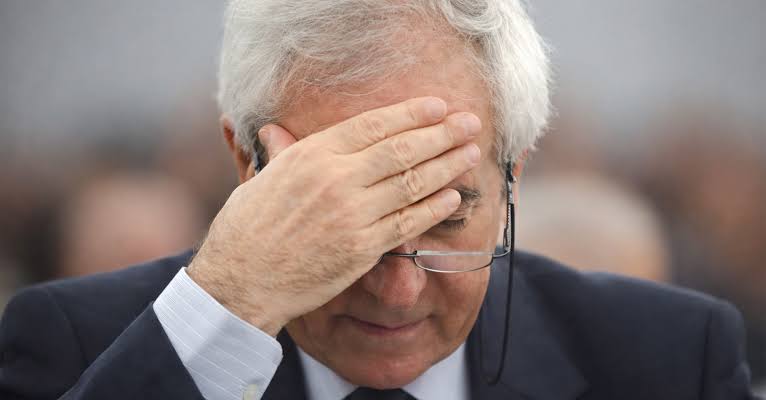
State Mills Trial: Ex-Minister Hamid Temmar Faces Judges After Fleeing Abroad
Translated from French, summarized and contextualized by DistantNews.
At a glance
News
Named sources
Under investigation
- An Algerian court is reopening a corruption case involving former privatization minister Hamid Temmar, who fled the country in 2018.
- Temmar is accused of selling state industrial assets for a symbolic price, including the "Moulins de Tiaret" mill.
- The trial will proceed with businessmen and officials in the defendant's box, as Temmar remains a fugitive.
A high-profile corruption case from the Abdelaziz Bouteflika era is being reopened by the Sidi M’hamed tribunal in Algiers, focusing on former Privatization Minister Hamid Temmar. Temmar, who fled Algeria in 2018, is accused of "selling off" public industrial assets for a nominal fee, a scandal that has been dubbed the "privatization for a dinar."
The trial centers on the opaque privatization of state-owned mills, particularly the "Moulins de Tiaret," a strategic subsidiary of the public group ERIADH. Investigations and defense lawyers indicate that significant portions of this industrial heritage were transferred to Ekhlass, a private company specializing in milling and agri-food, for a sum described by investigators as a "symbolic dinar."
While Temmar, considered a key architect of the economic liberalization policies under Bouteflika, will be tried in absentia, several businessmen, high-ranking public officials, and administrative cadres will occupy the defendant's box. They face serious charges including abuse of function, granting unjustified advantages, embezzlement of public funds, complicity, and money laundering within an organized criminal group.
Economic analysts suggest this trial goes beyond individual criminal responsibility, scrutinizing Temmar's economic model that dominated Algeria's market economy transition for nearly two decades. The proceedings aim to shed light on the alleged corruption and mismanagement that characterized the privatization process during the previous administration.
DistantNews Editorial
Originally published by El Watan in French. Translated, summarized, and contextualized by our editorial team with added local perspective. Read our editorial standards.
More Stories

From Our Blog

What Gets Lost (and Found) When News Is Translated

The Critical Role of Diaspora Media in Global News

What Travellers Should Know About Countries with Restricted Press

A Digital Nomad's Guide to Following Local News

How the Same Story Looks Different in Different Countries
