


State of Families: NRW Report Sees Growing Poverty Risk
Translated from German, summarized and contextualized by DistantNews.
At a glance
News
Named sources
Context piece
- A new report on the state of families in North Rhine-Westphalia reveals a growing risk of poverty.
- Women continue to shoulder the majority of care work, impacting their economic independence and careers.
- Single parents, large families, and families with immigrant backgrounds are particularly vulnerable to poverty.
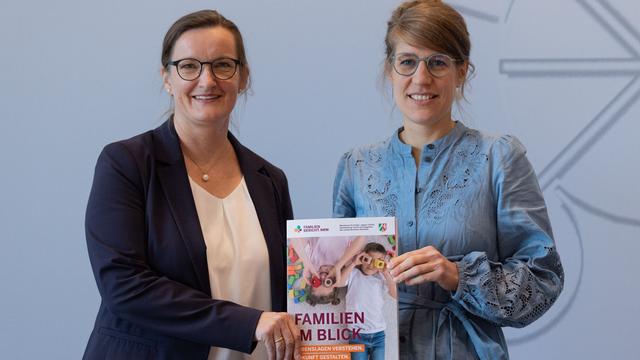
Families in North Rhine-Westphalia face an increasing risk of poverty, according to a new report released after eleven years. While the compatibility of family and work remains a significant challenge, especially for women, the report highlights several warning signs about the financial stability of households.
Women in the state continue to reduce their working hours more than men. In 2024, men's average weekly working hours slightly decreased to 39, while mothers' employment hours increased to an average of 27 hours per week. Despite this increase, mothers' working hours remain considerably lower than fathers', impacting their economic independence, retirement provisions, and career advancement. The report indicates that women still handle the bulk of childcare, dedicating twice as many hours to children and household tasks as fathers, even when working the same hours.
While most families perceive their financial situation as good, the overall risk of poverty has risen and is unevenly distributed. Single-parent households, families with multiple children, and those with a history of immigration are identified as particularly at risk. Over a third of single parents in North Rhine-Westphalia face a threat of poverty. The poverty risk rate for families in the state stands at over 16 percent, slightly above the national average in 2024. This situation means that one in four children in North Rhine-Westphalia grows up in a high-risk environment, potentially limiting their social participation and causing significant financial stress for parents when unexpected expenses arise.
Furthermore, the report notes that one in ten parents in families with minor children lacks a high school diploma. Nearly a third of mothers and fathers also fall into this category. The German Youth Institute (DJI) compiled the report on behalf of the state's family ministry.
DistantNews Editorial
Originally published by Die Zeit in German. Translated, summarized, and contextualized by our editorial team with added local perspective. Read our editorial standards.
More Stories


From Our Blog

What Gets Lost (and Found) When News Is Translated

How the Same Story Looks Different in Different Countries

The Critical Role of Diaspora Media in Global News

What Travellers Should Know About Countries with Restricted Press

A Digital Nomad's Guide to Following Local News
