


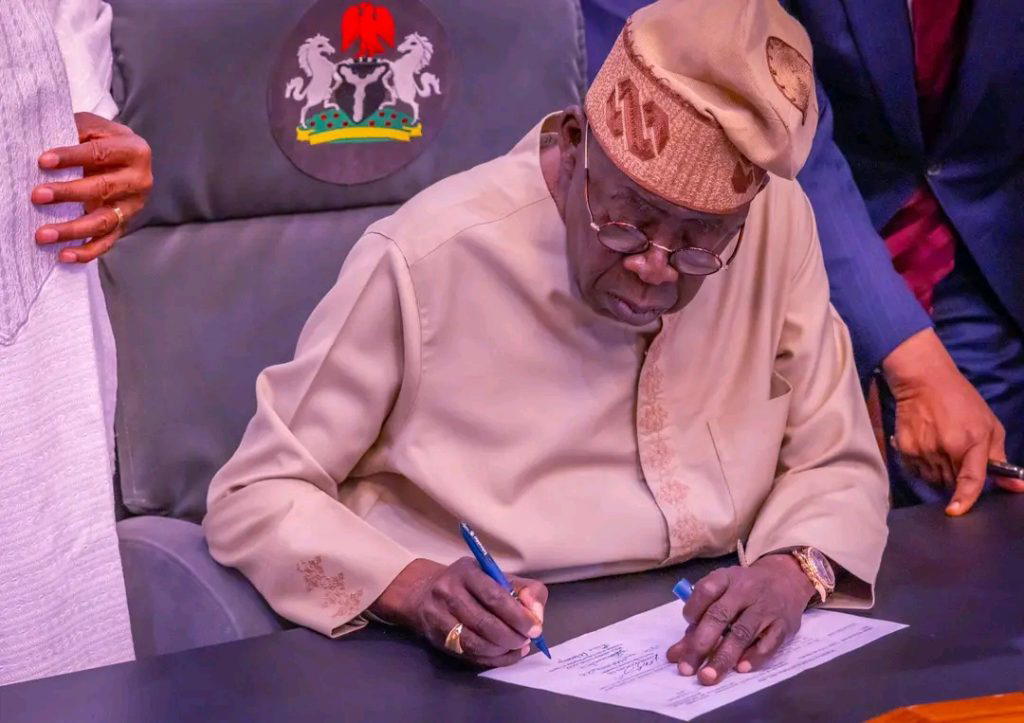
State Police Bill: How NASS caged governors
Summarized and contextualized by DistantNews.
At a glance
News
Named sources
Approved/passed
- Nigeria's National Assembly has passed a bill to establish state police forces, dismantling the country's 66-year-old federal policing system.
- The legislation aims to decentralize policing power, allowing states to form their own police services alongside the federal police.
- Constitutional "firewalls" have been engineered into the bill to prevent state governors from using police forces for political persecution.
Nigeria's National Assembly has taken a significant step toward reforming the nation's security architecture by passing the Constitution of the Federal Republic of Nigeria (Alteration) (State Police) Bill. This landmark legislation dismantles the 66-year-old unitary federal policing system, paving the way for the establishment of state police services across the country.
The Senate approved the bill on Wednesday, following an overwhelming vote in the House of Representatives on June 11. The historic vote in the Senate overcame a technical glitch with the electronic voting system, requiring a manual show-of-hands process. The bill alters key constitutional sections to create a dual policing model, comprising a Federal Police Service and individual State Police Services.
A major concern addressed by the bill is the long-standing fear that state governors might weaponize local police forces for political gain, using them to suppress opposition, control media, or manipulate elections. Senate Leader Opeyemi Bamidele emphasized that the bill includes specific "firewalls" to prevent such abuses. While governors will have input on general security policy, the legislation strictly prohibits them from directing state police to unlawfully target individuals, political parties, or groups for partisan, ethnic, religious, or personal reasons. The bill also explicitly bars the use of police powers for political persecution, ensuring that criticism of the government does not lead to arrest or investigation, except under strict legal conditions.
one of the major concerns regarding the establishment of state police was the potential for political abuse by state governments, and that the bill directly addresses that concern by prohibiting any governor from directing a State Police Service to unlawfully target specific persons, political parties, groups or associations.
DistantNews Editorial
Originally published by Vanguard. Summarized and contextualized by our editorial team with added local perspective. Read our editorial standards.
More Stories


From Our Blog

How the Same Story Looks Different in Different Countries

What Gets Lost (and Found) When News Is Translated

The Critical Role of Diaspora Media in Global News

What Travellers Should Know About Countries with Restricted Press

A Digital Nomad's Guide to Following Local News
