


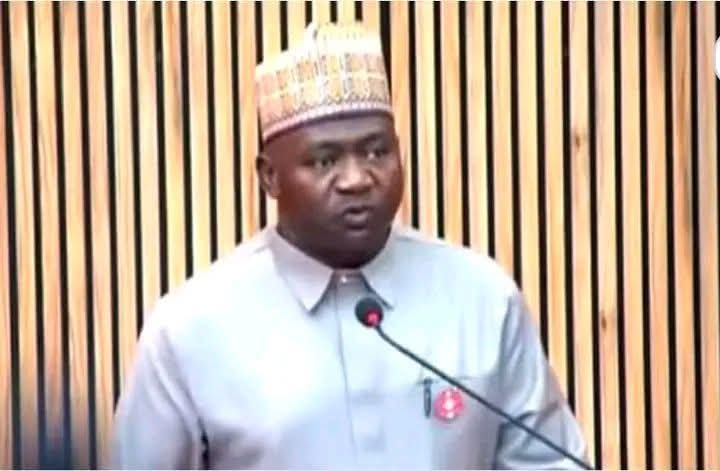
State police could be Nigeria’s ‘silver bullet’ or Hiroshima, Defence Minister warns
Summarized and contextualized by DistantNews.
At a glance
News
Named sources
Ongoing story
- Nigeria's push for state police is gaining momentum but faces warnings of potential abuse if not implemented with safeguards.
- Leaders and experts agree the current centralized policing is ineffective, but debate exists on funding, regulation, and oversight.
- Key figures like the Defence Minister and governors highlighted both the promise of improved security and the risks of political misuse.
Nigeria's drive to establish state police forces is advancing, yet significant concerns linger about its potential to either solve the nation's escalating insecurity or create new avenues for political abuse. The push for decentralization gained traction at an ARISE News Town Hall, where a broad consensus emerged that the current policing model, managed solely from Abuja, is no longer effective.
State police, if properly harnessed, well planned and effectively implemented, could become the silver bullet we need to address many of our security challenges. However, if it is poorly planned and badly executed, it could become the Hiroshima that many people fear.
However, this agreement was tempered by urgent calls for meticulous planning and robust safeguards. Defence Minister General Christopher Musa warned that state police could be a "silver bullet" for security challenges or a "Hiroshima" if poorly executed. He stressed that such forces must not become tools of ethnic, religious, or elite interests, advocating for a gradual rollout alongside other necessary reforms.
Discussions highlighted the need for sustainable funding, constitutional protections, public involvement, and clear accountability mechanisms. Former Edo State Governor Adams Oshiomhole argued for the constitutional necessity of decentralization, while Enugu State Governor Peter Mbah drew on his state's experience to advocate for sub-national operational control. Senate Majority Leader Opeyemi Bamidele detailed legislative considerations for safeguards.
Calling governors chief security officers without police powers is like calling me a husband without a wife.
Experts and leaders, including former Israeli Prime Minister Ehud Barak and Professor Chidi Odinkalu, weighed in on crucial aspects like financial independence, regulation, and public trust. The overarching sentiment is that while the current system is failing, the transition to state policing requires careful navigation to ensure it serves public protection rather than political agendas.
Without financial independence, state police could create new problems.
DistantNews Editorial
Originally published by Vanguard. Summarized and contextualized by our editorial team with added local perspective. Read our editorial standards.
More Stories


From Our Blog

How the Same Story Looks Different in Different Countries

What Gets Lost (and Found) When News Is Translated

The Critical Role of Diaspora Media in Global News

What Travellers Should Know About Countries with Restricted Press

A Digital Nomad's Guide to Following Local News
