

Steel CEO warns EU against weakening emissions trading system
Translated from German, summarized and contextualized by DistantNews.
At a glance
News
Named sources
Context piece
- The CEO of German steel company Salzgitter warns the EU against weakening its emissions trading system.
- He argues that changing the rules retroactively penalizes companies investing in climate protection.
- Salzgitter has invested billions in green steel production, relying on a stable legal framework.
Gunnar Groebler, CEO of the German steel manufacturer Salzgitter AG, has sharply criticized the European Commission's proposed reforms to the EU Emissions Trading System (ETS). Groebler warns that these changes could jeopardize billions of euros invested in climate protection and unfairly penalize pioneering companies that have already committed to decarbonization.
"Industrial policy that retroactively changes the rules of the game must not leave pioneering companies out in the cold," Groebler stated on LinkedIn, urging the EU Parliament and member states to amend the legislation. He emphasized that Salzgitter has invested heavily in the transition to green steel, trusting in a stable and reliable legal framework. "Those who invest in reliance on European legislation, or who have already invested as we have, must not be punished in the end," he added.
Industrial policy that retroactively changes the rules of the game must not leave pioneering companies out in the cold.
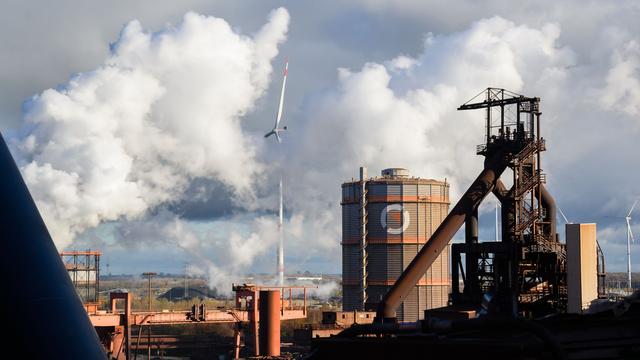
Salzgitter began converting its steelworks in Salzgitter at the end of 2023, with support from federal and state governments totaling approximately 1.3 billion euros. The first green steel facility is scheduled to begin operation in 2027. This new plant will produce steel using natural gas initially, with a future transition to green hydrogen, replacing the traditional coal-fired blast furnace.
Groebler expressed concern that planned relief measures for the period after 2030 could already be hindering the economic viability and financing of decarbonization projects in Europe. He fears this could reduce the attractiveness of innovative, low-carbon business models, negatively impacting investment willingness and Europe's industrial resilience. The EU Commission's proposal, influenced by industry and member states, suggests a slower reduction in the total number of emission allowances and increased free certificates in certain sectors, a move Groebler believes undermines a key climate protection instrument.
Those who invest in reliance on European legislation, or who have already invested as we have, must not be punished in the end.
DistantNews Editorial
Originally published by Die Zeit in German. Translated, summarized, and contextualized by our editorial team with added local perspective. Read our editorial standards.
More Stories
From Our Blog

What Gets Lost (and Found) When News Is Translated

How the Same Story Looks Different in Different Countries

The Critical Role of Diaspora Media in Global News

What Travellers Should Know About Countries with Restricted Press

A Digital Nomad's Guide to Following Local News
