

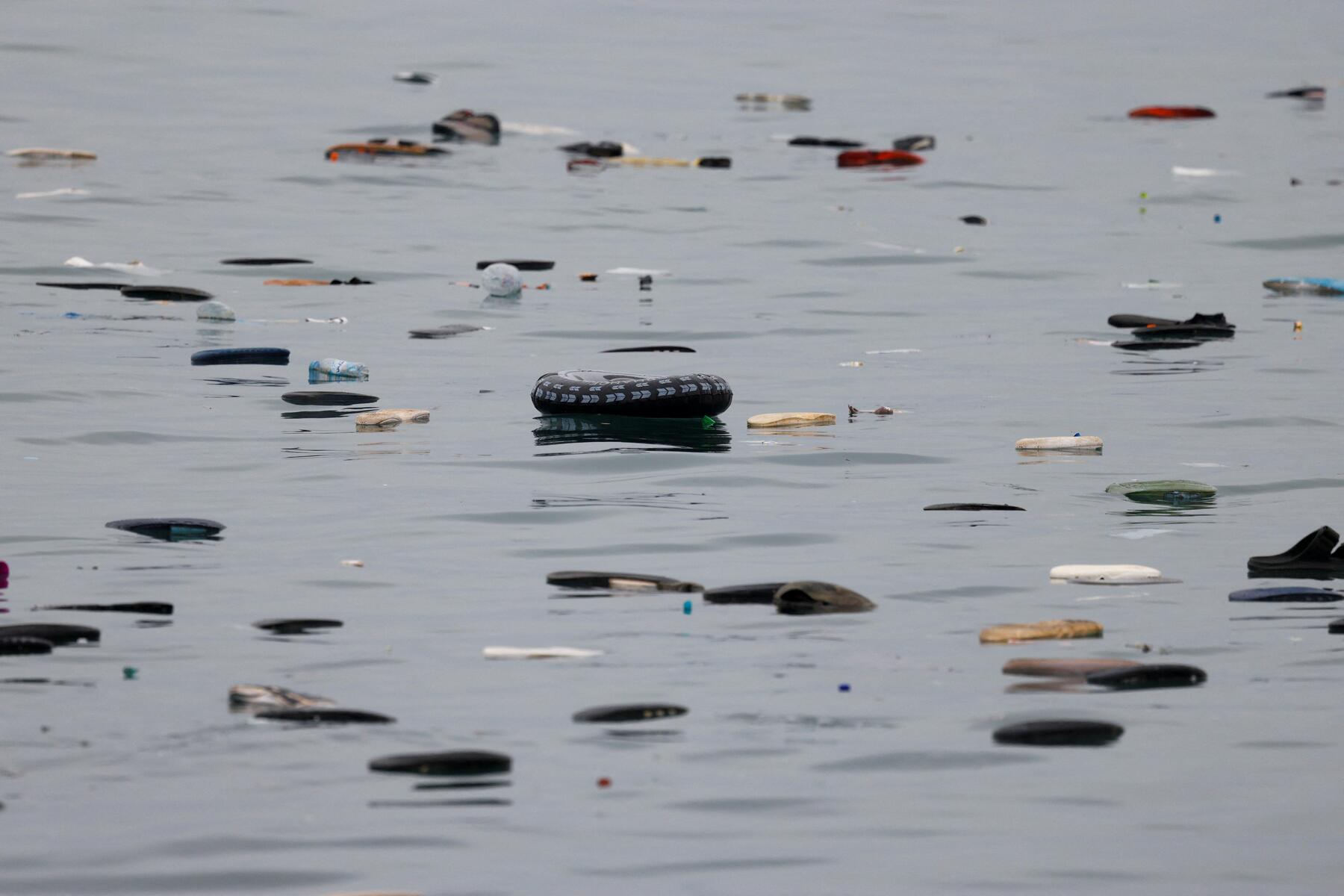

Storms trigger floods and mudslides in Italian Alps
Translated from German, summarized and contextualized by DistantNews.
At a glance
News
Sources not specified
Outcome reported
- Severe storms hit the Italian Alps, causing flash floods and mudslides in the ski resort town of Breuil-Cervinia.
- A campsite was evacuated as a precautionary measure, and a golf course sustained damage from mud and debris.
- The extreme weather follows a period of unusually high temperatures in the region, exacerbating concerns about climate change impacts on glaciers.
Torrential rain and mudslides battered the Italian Alps on Monday evening, striking the popular ski resort of Breuil-Cervinia in the Aosta Valley. Within approximately 20 minutes, two mountain streams overflowed their banks, unleashing significant damage. Fortunately, no injuries were reported as of Tuesday.
The deluge inundated local areas, including an 18-hole golf course, where a mudslide carrying rocks and debris covered parts of the grounds and destroyed two bridges. Videos circulating on social media show torrents of water cascading down mountainsides and flooding lower-lying areas.
As a safety precaution, the campsite in the town was evacuated. The area in front of the Grand Hotel Cervino in the Avouil district also flooded. Alpine rescue teams and firefighters were deployed to manage the situation. Hailstones up to 15 centimeters deep were reported above the Capanna Carrel mountain hut at an altitude of 3,850 meters.
This severe weather event comes after a period of exceptionally high temperatures in the region. Just days prior, Italian skier Federica Brignone shared images of a nearly snow-free Matterhorn. The ongoing warmth and lack of nighttime freezing prompted the Swiss cable car company Zermatt Bergbahnen to end its summer skiing season a month earlier than planned.
Italy is currently experiencing another heatwave expected to last until the end of the week. Glaciers in the Adamello, Marmolada, and Mont Blanc regions are particularly vulnerable. Nearly all of Italy's approximately 900 recorded Alpine glaciers continue to lose mass, with over 90 percent now shrunk to less than half a square kilometer. The Adamello glacier alone lost 12 million cubic meters of water in a single year, according to environmental protection groups.
DistantNews Editorial
Originally published by Die Presse in German. Translated, summarized, and contextualized by our editorial team with added local perspective. Read our editorial standards.
More Stories


From Our Blog

What Gets Lost (and Found) When News Is Translated

The Critical Role of Diaspora Media in Global News

What Travellers Should Know About Countries with Restricted Press

A Digital Nomad's Guide to Following Local News

How the Same Story Looks Different in Different Countries
