


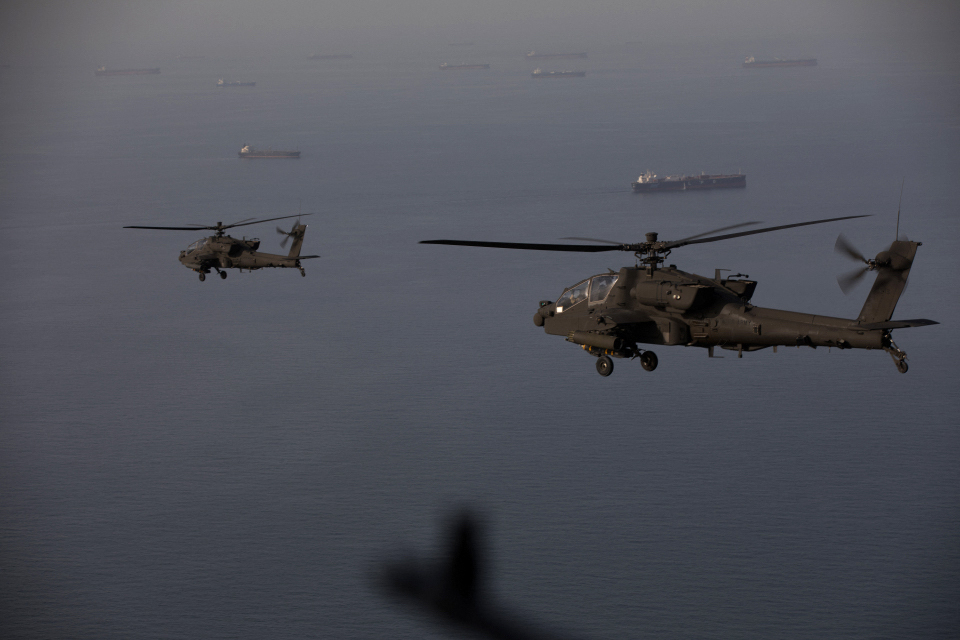
Strait of Hormuz Tensions Peak as Iran Reportedly Closes Waterway Again
Translated from Malay, summarized and contextualized by DistantNews.
TLDR
- Tensions between Iran and the U.S. escalated as Iran reportedly closed the Strait of Hormuz less than 24 hours after reopening it.
- The closure followed U.S. threats of continued maritime sanctions on Iranian ports if a peace deal was not reached.
- Maritime authorities reported shooting incidents and projectile attacks involving two Indian merchant ships in the strategic waterway.
The recent events in the Strait of Hormuz highlight the volatile nature of maritime security in the Persian Gulf and the persistent friction between Iran and the United States. The reported closure of this vital waterway, a mere 24 hours after its supposed reopening, signals a dangerous escalation and a clear message from Tehran regarding its response to perceived threats.
From our perspective, the U.S. administration's continued threats of maritime sanctions, particularly under President Trump's directive, are seen as provocative actions aimed at crippling Iran's economy. Iran's response, including the alleged closure of the Strait, is a defensive measure taken in the face of sustained pressure. The incidents involving Indian merchant ships underscore the risks to international shipping in this critical chokepoint, a situation exacerbated by the ongoing geopolitical tensions.
This situation demands careful navigation. While the U.S. frames its actions as necessary to achieve a peace deal, Iran views them as aggressive attempts to undermine its sovereignty. The reporting of shooting incidents and attacks on commercial vessels adds a grim layer to the already tense atmosphere, emphasizing the immediate dangers faced by maritime traffic in the region. The international community must recognize the precarious balance and the potential for miscalculation that could lead to wider conflict.
DistantNews Editorial
Originally published by Utusan Malaysia in Malay. Translated, summarized, and contextualized by our editorial team with added local perspective. Read our editorial standards.
More Stories


From Our Blog

What Gets Lost (and Found) When News Is Translated

The Critical Role of Diaspora Media in Global News

What Travellers Should Know About Countries with Restricted Press

A Digital Nomad's Guide to Following Local News

How the Same Story Looks Different in Different Countries
