

Strait of Hormuz: Washington and Tehran agree to fragile ceasefire and will meet Tuesday in Doha
Translated from French, summarized and contextualized by DistantNews.
At a glance
News
Named sources
Ongoing story
- The United States and Iran have agreed to a fragile ceasefire in the Strait of Hormuz following recent hostilities.
- Both nations will meet in Doha on Tuesday to de-escalate the crisis, with talks initially planned for Switzerland.
- The renewed fighting stemmed from differing interpretations of a memorandum of understanding signed on June 17, particularly regarding the status of the Strait of Hormuz.
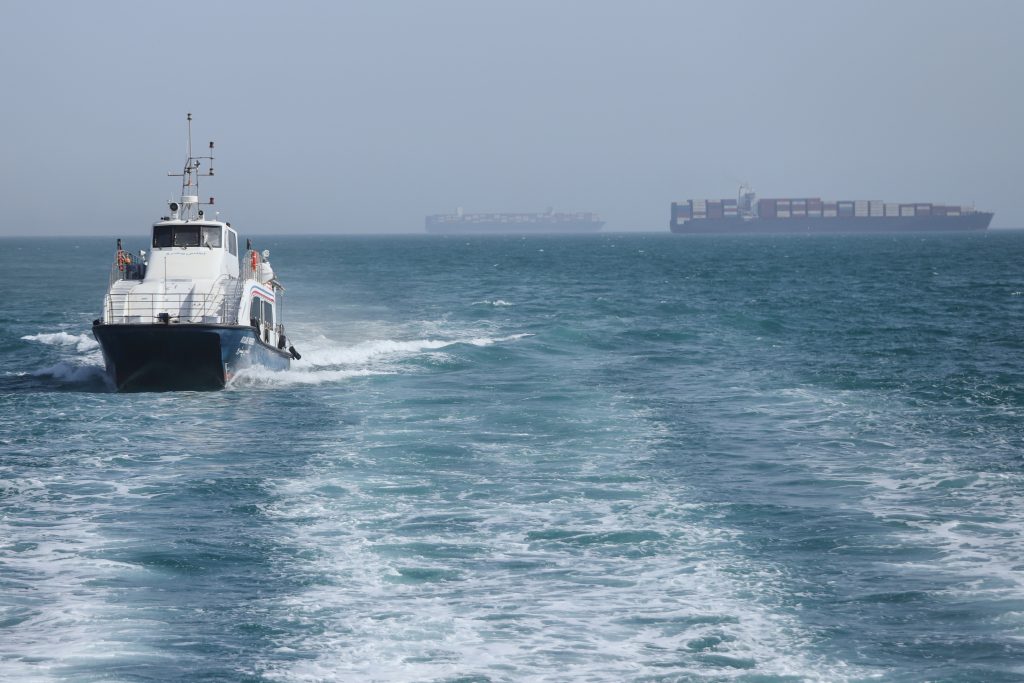
The United States and Iran have agreed to halt all "kinetic activities" in the Strait of Hormuz, signaling a fragile ceasefire after a recent escalation of hostilities. A senior U.S. official confirmed that both sides will suspend operations for the time being, allowing ships to circulate freely while technical negotiations continue. This agreement aims to de-escalate the crisis that threatened to reignite conflict.
The resumption of fighting originated from divergent interpretations of a memorandum of understanding signed on June 17 between U.S. President Donald Trump and Iranian President Masoud Pezeshkian. A key point of contention was the status of the Strait of Hormuz, a vital waterway through which approximately 20% of the world's oil trade passes. The Islamic Revolutionary Guard Corps (IRGC) launched a drone strike against the Panama-flagged tanker M/T Kiku as it transited the strait, prompting a U.S. response, according to U.S. Central Command (CENTCOM).
We have decided to stop all kinetic activities.
A critical element of the dispute is the failure to establish a direct communication line between the U.S. military command and the IRGC. This "hotline" was intended to coordinate ship passages through the strait and was agreed upon during last week's negotiations in Switzerland. Despite its importance for preventing incidents, the line remained inoperable, even as Iran began reasserting its requirement for ships to coordinate their passage.
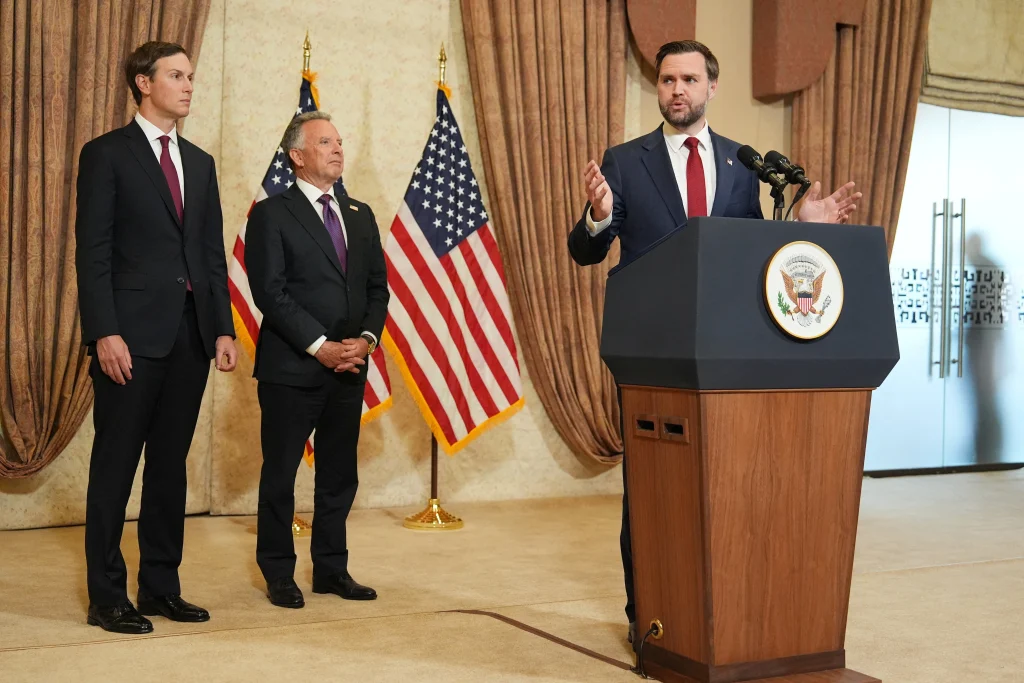
Discussions scheduled for Tuesday were initially set to take place in Switzerland to address Iran's nuclear program. However, the surge in violence has shifted the meeting to Doha, Qatar, refocusing the agenda on the Strait of Hormuz crisis. U.S. technical team lead Nick Stewart is expected to participate in the negotiations. The White House has not yet responded to requests for comment.
suspend hostilities for the moment and that “ships can circulate freely
DistantNews Editorial
Originally published by El Watan in French. Translated, summarized, and contextualized by our editorial team with added local perspective. Read our editorial standards.
More Stories

From Our Blog

What Gets Lost (and Found) When News Is Translated

The Critical Role of Diaspora Media in Global News

What Travellers Should Know About Countries with Restricted Press

A Digital Nomad's Guide to Following Local News

How the Same Story Looks Different in Different Countries
