


Strawberry Full Moon 2026: Astronomical phenomenon lights up June's end
Translated from Spanish, summarized and contextualized by DistantNews.
At a glance
News
Sources not specified
Context piece
- The June full moon, known as the Strawberry Moon, will be visible in Panama on June 29 and 30, appearing at its peak on the morning of June 30.
- This full moon will be the lowest of the year in the northern hemisphere's sky, potentially giving it golden or reddish hues as its light passes through more atmosphere.
- Despite its name, the Strawberry Moon's color is not pink; the name originates from North American indigenous traditions related to the strawberry harvesting season.
Panamanians will have the opportunity to witness the June full moon, nicknamed the Strawberry Moon, on consecutive nights, June 29 and 30. This celestial event coincides with the first full moon of summer in the northern hemisphere and offers a chance to observe the natural satellite in its fully illuminated state.
The moon will reach its peak fullness at 1:56 AM on Tuesday, June 30, when the Earth is positioned directly between the Sun and the Moon. However, the moon will appear fully illuminated from the evening of June 29, as the full moon phase astronomically extends approximately twelve hours before and after its exact peak.
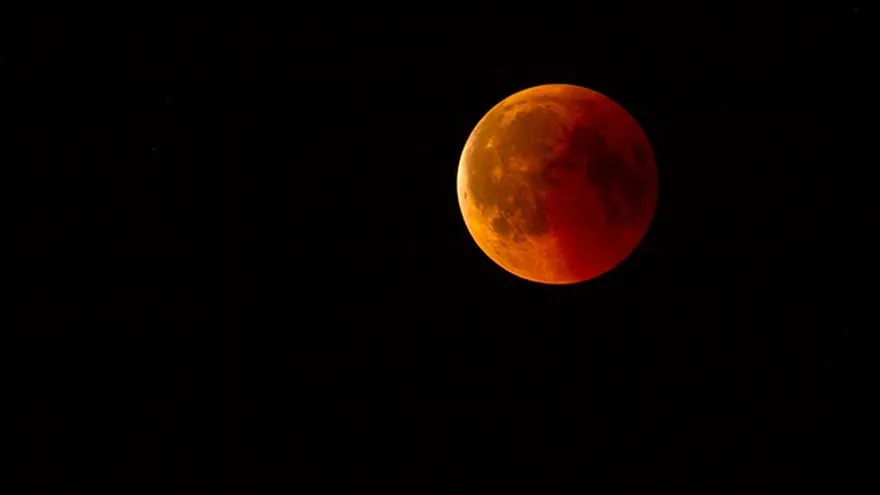
A unique characteristic of this June full moon is its position low in the sky, marking the lowest trajectory of the year for a full moon in the northern hemisphere. This occurs because the Sun reaches its highest point around the summer solstice, causing the opposing Moon to follow a much lower path. Consequently, moonlight travels through a thicker layer of Earth's atmosphere, which can cause it to appear with golden, orange, or reddish tones, similar to sunset colors.
Contrary to what its name might suggest, the Strawberry Moon will not appear pink. The name originates from ancient North American indigenous traditions, specifically marking the season when strawberries were traditionally harvested. This designation has been used for centuries to identify the time of year for this fruit's collection. The atmospheric effects that lend the moon warmer hues are purely optical, caused by the scattering of light through the Earth's atmosphere.
DistantNews Editorial
Originally published by TVN Panamá in Spanish. Translated, summarized, and contextualized by our editorial team with added local perspective. Read our editorial standards.
More Stories



From Our Blog

What Gets Lost (and Found) When News Is Translated

The Critical Role of Diaspora Media in Global News

What Travellers Should Know About Countries with Restricted Press

A Digital Nomad's Guide to Following Local News

How the Same Story Looks Different in Different Countries
