


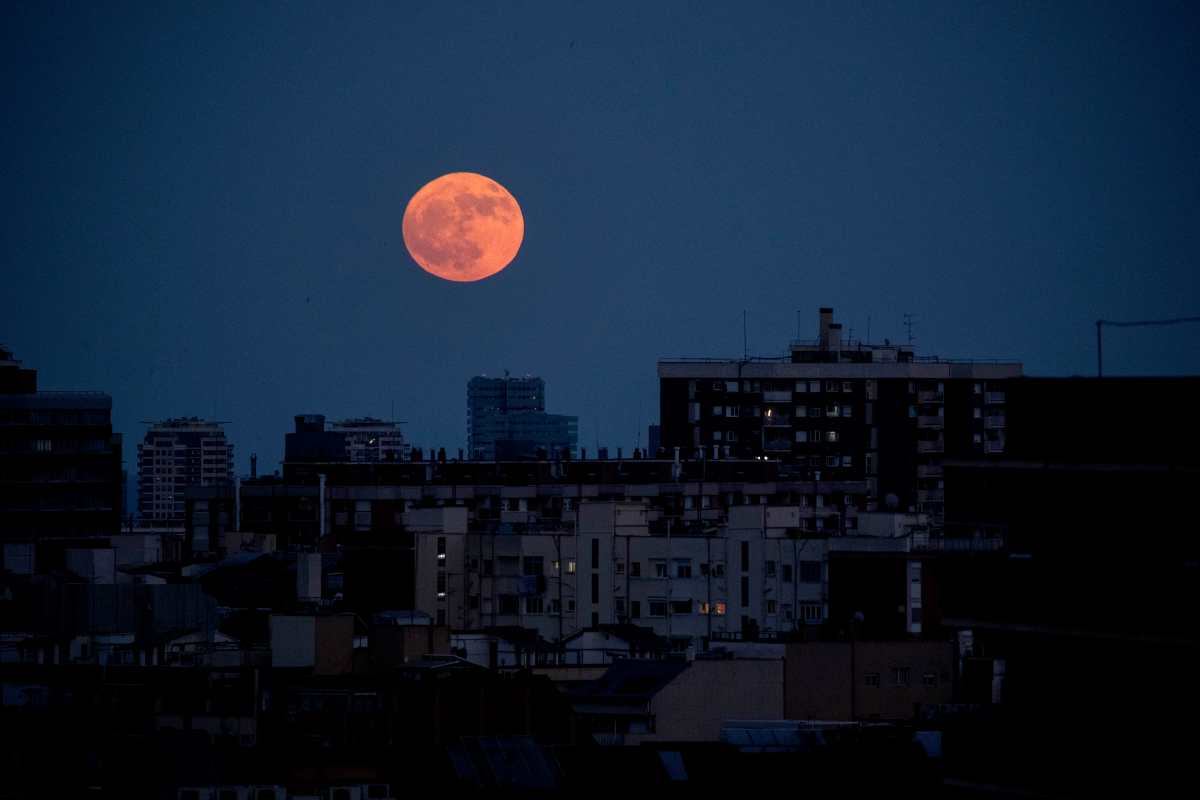
Strawberry Moon 2026: When and How to Observe the Astronomical Phenomenon
Translated from Spanish, summarized and contextualized by DistantNews.
At a glance
News
Sources not specified
Context piece
- The Strawberry Moon, the full moon of June 2026, will be visible on June 29.
- Its name originates from Indigenous Algonquin peoples of North America, who associated this full moon with the wild strawberry harvest season.
- This event will also be a 'strawberry microluna' because it occurs when the moon is farthest from Earth, appearing slightly smaller than a typical full moon.
The June 2026 full moon, popularly known as the Strawberry Moon, is set to grace the night sky on June 29. While it will retain its usual color, the name "Strawberry Moon" carries a rich historical and cultural significance, stemming from Indigenous traditions in North America.
According to specialized sources, the name originates from the Algonquin peoples of northeastern North America. They historically linked this particular full moon to the peak season for harvesting wild strawberries. Over centuries, this designation has endured, becoming one of the most recognized names in the lunar calendar.
This year's Strawberry Moon will also be classified as a "strawberry microluna." This occurs because the moon will reach its full phase when it is at its apogee, the farthest point in its orbit from Earth. Consequently, it will appear slightly smaller, potentially up to 7% less than a standard full moon.
The phenomenon will reach its peak illumination at 23:57 GMT on June 29, 2026. In Guatemala, this will correspond to 5:57 PM local time. While the moon will be visible to the naked eye, stargazers are advised to find locations with clear skies and minimal artificial light for the best viewing experience. Early in the evening, atmospheric conditions might lend the moon yellowish, orange, or reddish hues as its light passes through a greater portion of Earth's atmosphere.
DistantNews Editorial
Originally published by Prensa Libre in Spanish. Translated, summarized, and contextualized by our editorial team with added local perspective. Read our editorial standards.
More Stories



From Our Blog

What Gets Lost (and Found) When News Is Translated

The Critical Role of Diaspora Media in Global News

What Travellers Should Know About Countries with Restricted Press

A Digital Nomad's Guide to Following Local News

How the Same Story Looks Different in Different Countries
