


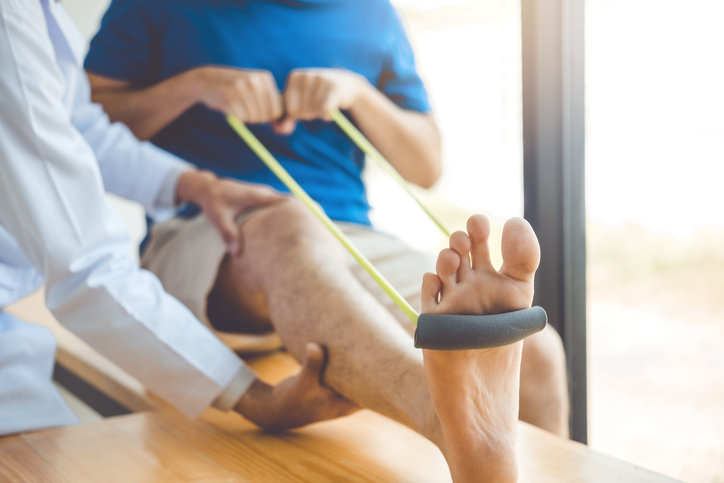
Strength training, even once a week with light weights, is better than not doing it at all
Translated from Korean, summarized and contextualized by DistantNews.
At a glance
Explainer
Sources not specified
Context piece
- South Korea's life expectancy is 83.4 years, but healthy life expectancy is only 71.8 years, meaning many live with illness or disability.
- Muscle and strength are crucial for maintaining independence in old age, as muscle loss can lead to difficulty with daily activities and reliance on others.
- While intense workouts are effective, even light strength training once a week can improve muscle mass and strength compared to doing nothing.
South Koreans can expect to live to 83.4 years, but the average healthy lifespan is significantly shorter, at 71.8 years. This gap means many individuals spend over a decade living with illness or disability, highlighting the importance of not just longevity but also maintaining physical function throughout life. Preserving muscle and strength is paramount for seniors to continue independent daily living, as muscle loss can make simple actions like climbing stairs or getting up from a chair increasingly difficult.
The decline in muscle mass and strength with age is not a gradual slope but can resemble a series of steps downward. Periods of reduced activity, such as hospitalization or illness, can lead to rapid muscle loss that may not be fully recovered, setting individuals on a downward trajectory. To combat this, experts recommend building a "muscle savings account" through consistent exercise.
While aerobic exercises like walking and running are beneficial, strength training is equally vital for extending healthy life expectancy. Global health organizations recommend at least 150 minutes of moderate-intensity or 75 minutes of vigorous-intensity aerobic activity per week, alongside two days of strength training. However, a significant portion of South Korean adults fall short of these recommendations for strength training, with only 26.6% engaging in it at least twice a week, compared to 52.5% meeting aerobic activity guidelines.
Many perceive strength training as difficult and requiring specialized gym equipment, deterring them from starting. However, recent research suggests that even light weights or fewer repetitions can yield benefits. A large-scale analysis published in the British Journal of Sports Medicine found that most strength training methods, regardless of weight, sets, or frequency, increased muscle strength and size compared to inactivity. While heavier weights and more sets offer greater gains, the key takeaway is that any form of resistance training is better than none. This principle supports the World Health Organization's message: "doing something is better than doing nothing."
For those who find intense workouts daunting or have limited time, adopting a "minimal-dose" approach is advisable. Light strength training can improve muscle mass and strength, and even exercising once a week is more beneficial than not exercising at all. The optimal approach involves starting with exercises suited to one's current fitness level and gradually increasing intensity, weight, and frequency. This proactive approach acts as insurance against inevitable age-related muscle loss. For older adults with mobility issues, even short, functional strength exercises, like those lasting just four minutes daily, have shown significant improvements in daily physical functions.
DistantNews Editorial
Originally published by Dong-A Ilbo in Korean. Translated, summarized, and contextualized by our editorial team with added local perspective. Read our editorial standards.
More Stories



From Our Blog

What Gets Lost (and Found) When News Is Translated

The Critical Role of Diaspora Media in Global News

What Travellers Should Know About Countries with Restricted Press

A Digital Nomad's Guide to Following Local News

How the Same Story Looks Different in Different Countries
