


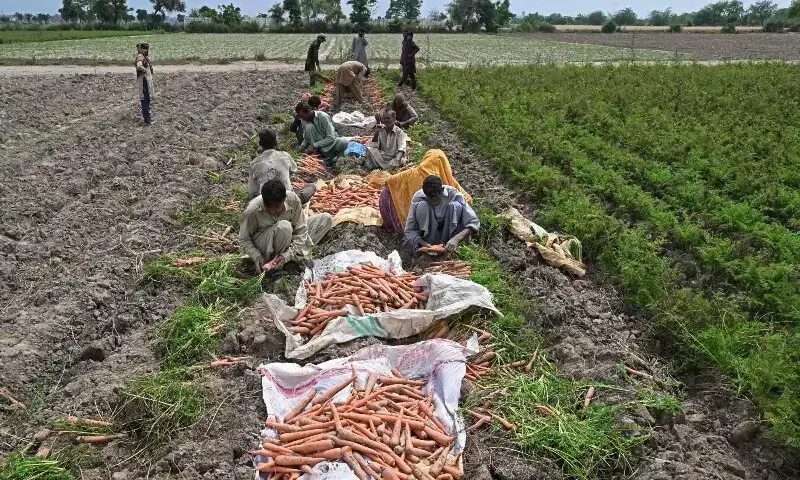
Strong El Nino could push 49 million more people into acute hunger, UN agency says
Summarized and contextualized by DistantNews.
At a glance
News
Named sources
Context piece
- A powerful El Nino weather event could push nearly 49 million more people into acute food insecurity globally by the end of 2025.
- The World Food Programme (WFP) estimates a 81% chance of a very strong El Nino, potentially the strongest since 1950, altering weather patterns worldwide.
- Central America and Southern Africa are expected to be the hardest-hit regions, facing significant increases in food-insecure populations, while funding cuts and conflict exacerbate the crisis.
A potent El Nino event threatens to plunge an additional 49 million people into acute food insecurity across vulnerable regions by the close of 2025, according to a stark warning from the World Food Programme (WFP). The UN agency's report highlights an 81% probability of a very strong El Nino, with sea surface temperatures possibly reaching their highest levels since 1982 and potentially rivaling the intensity of the 1950 event.
El Nino, characterized by the warming of Pacific Ocean surface temperatures, disrupts global weather patterns. It is frequently linked to droughts in Southern Africa, delayed monsoons in Asia, and unpredictable rainfall elsewhere. "These are events that in the past have triggered large-scale hunger," stated Jean-Martin Bauer, director of WFP’s Food Security and Nutrition Analysis Service.
These are events that in the past have triggered large-scale hunger.
Based on an analysis of 45 vulnerable countries, the WFP projects that the number of individuals facing acute food insecurity could surge by almost 49 million, reaching a total of 274 million. This represents a 22% increase from the baseline population already experiencing crisis-level food insecurity. Central America and Southern Africa are anticipated to bear the brunt, with Central America potentially seeing an 83% rise and Southern Africa a nearly 75% increase in food-insecure populations.
While global food markets are currently robust due to strong harvests, Bauer cautioned that conflict in the Middle East and potential weather-induced crop losses could drive up prices. Although past El Ninos have not typically caused major global price spikes, regional shortages and increased costs could severely impact food access for vulnerable households. Compounding these challenges, funding cuts from US and European donors in 2025 are hindering monitoring efforts, with Bauer lamenting a "growing drought of food-security data."
At a time when you have a risk like an El Nino, it is important to have high-frequency data collection.
DistantNews Editorial
Originally published by Dawn. Summarized and contextualized by our editorial team with added local perspective. Read our editorial standards.
More Stories



From Our Blog

What Gets Lost (and Found) When News Is Translated

The Critical Role of Diaspora Media in Global News

What Travellers Should Know About Countries with Restricted Press

A Digital Nomad's Guide to Following Local News

How the Same Story Looks Different in Different Countries
