


Pakistan's Water Crisis Deepens Amidst Depleted Reserves and Agricultural Strain
Translated from English, summarized and contextualized by DistantNews.
At a glance
News
Named sources
Context piece
- Pakistan faces a severe water crisis due to depleted surface storage and rapid groundwater extraction, with storage capacity for only 30 days compared to an international benchmark of 120.
- Agriculture, the primary driver of water stress, contributes nearly 24% to Pakistan's GDP and employs over a third of the workforce, exacerbated by inefficient irrigation and unregulated tube wells.
- Over-extraction of groundwater, pollution from industrial and domestic waste, and institutional paralysis are leading to water scarcity, impacting small farmers with debt, illness, and eroding human capital.
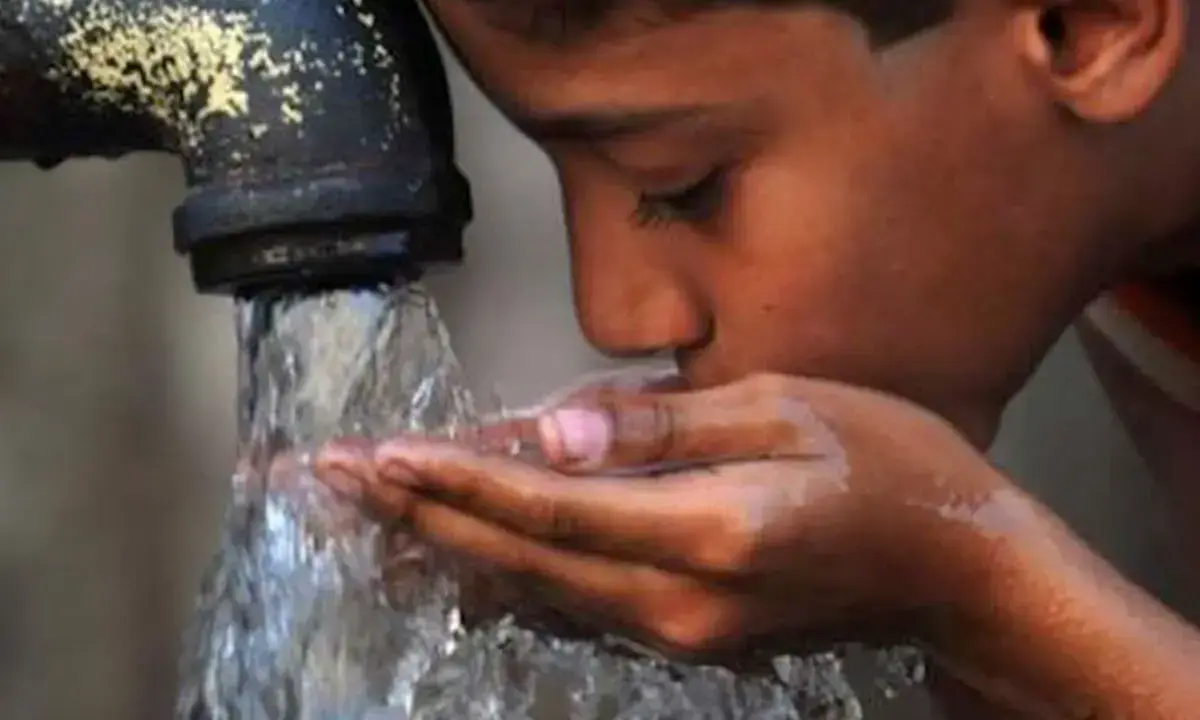
Pakistan is grappling with a critical dual water emergency: its surface water storage is dwindling, and groundwater resources are being depleted at an alarming rate. The nation's water storage capacity is estimated at merely 30 days, falling significantly short of the international benchmark of 120 days. In March 2025, major reservoirs like Tarbela and Mangla reached critically low levels, leading to substantial water shortages in regions like Sindh.
The Indus River System Authority notes that depletion to dead levels is a common occurrence during certain seasons. Beyond geopolitical water treaty disputes, Pakistan's internal challenges include institutional paralysis, dam siltation, and massive water losses in conveyance systems, all contributing to the loss of freshwater resources. NASA's Gravity Recovery and Climate Experiment identifies the Indus Basin as one of the world's most stressed aquifers, with rapid depletion rates, particularly in central Punjab, driven by unchecked extraction, climate stress, and regulatory failures.
This vanishing water buffer has profound consequences, especially for smallholder farmers. Their dependence on heavily polluted groundwater due to storage gaps and aquifer depletion leads to a cycle of debt and poverty, chronic illnesses, increased child mortality, and a decline in human capital. Agriculture, a cornerstone of Pakistan's economy contributing nearly 24% to GDP and employing over a third of the workforce, is the main culprit behind water stress. This is fueled by inefficient canal networks and over 1.3 million unregulated tube wells.
The country's agricultural economy relies on suboptimal and unregulated pumping, accelerating aquifer depletion and exacerbating storage problems, consequently hindering international competitiveness. Research from the Pakistan Institute of Development Economics indicates a 20% rise in industrial water demand over the past decade, particularly from the textile, tannery, chemical, and cement sectors. Alarmingly, over 90% of industrial plants in Punjab and Sindh operate without regulation, speeding up groundwater depletion and saline intrusion into vital freshwater aquifers. The qualitative degradation of the water supply is severe, with minimal wastewater recycling and the dumping of raw industrial chemicals into water bodies, polluting domestic groundwater sources for millions.
DistantNews Editorial
Originally published by Dawn in English. Translated, summarized, and contextualized by our editorial team with added local perspective. Read our editorial standards.
More Stories

From Our Blog

What Gets Lost (and Found) When News Is Translated

The Critical Role of Diaspora Media in Global News

What Travellers Should Know About Countries with Restricted Press

A Digital Nomad's Guide to Following Local News

How the Same Story Looks Different in Different Countries
