


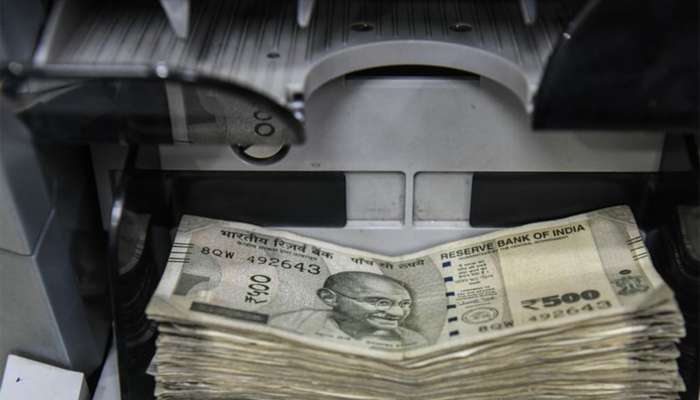
Strong Tax Revenue Gives India Fiscal Cushion, but 4.3% Deficit Target Faces Risks: ICICI Bank
Translated from English and summarized by DistantNews. Read the original for the full story.
At a glance
Analysis
Named sources
Context piece
- India’s gross tax revenue grew 18% year on year from April through July 2026, led by direct taxes and GST collections.
- ICICI Bank Research said higher crude and fertiliser prices, along with slower nominal GDP growth, could threaten the government’s 4.3% fiscal deficit target for 2026-27.
- Government spending rose 13%, while capital expenditure increased 30% and major subsidies grew 35% during the period.
India’s strong tax collections are giving the central government room to manage its finances, but rising crude and fertiliser prices could make its deficit goal harder to reach.
ICICI Bank Research said gross tax revenue rose 18% year on year between April and July 2026. Direct tax collections increased 24%, while GST collections grew 11%. The fiscal balance stood at 4.6 trillion rupees, equal to 27% of the full-year budget estimate, compared with 30% during the same period a year earlier.
Direct taxes provided the main support. Corporate tax collections rose 21%, income tax collections climbed 24%, and net direct taxes were up 23% as of Aug. 10. Indirect taxes grew 12%, helped by a 38% increase in customs duties, although excise collections fell 23% after lower petroleum-product rates.
While strong revenue growth provides a cushion, higher crude and fertiliser prices along with lower Q1FY27 nominal GDP growth poses a challenge in achieving the fiscal deficit target of 4.3% of GDP target in FY27.
Government spending increased 13% during the first four months of the financial year. Capital expenditure rose 30%, including a 54% increase in July, indicating continued emphasis on investment spending. Major subsidies also rose 35%, with fertiliser subsidies up 46% and food subsidies up 23%.
The research firm said robust revenue receipts offered an important buffer. It also reported annual bank-credit growth of 19.3% in July, supported by lending to industry, services and individuals. Foreign deposit flows of $90 billion to $100 billion were expected to support liquidity and credit growth in the coming months.
Nevertheless, the sustained strength in revenue receipts, particularly direct taxes and non-debt capital receipts, provides an important fiscal buffer.
About this summary
Originally published by Times of Oman in English. Translated, summarized, and contextualized automatically by DistantNews, with a note on how the source frames the story. Not individually reviewed before publishing. How this works.
More Stories


From Our Blog

What Gets Lost (and Found) When News Is Translated

The Critical Role of Diaspora Media in Global News

What Travellers Should Know About Countries with Restricted Press

A Digital Nomad's Guide to Following Local News

How the Same Story Looks Different in Different Countries
