


Students see new chance to afford short-term job training through expanded Pell grants
Translated from English and summarized by DistantNews. Read the original for the full story.
At a glance
News
Named sources
New plan
- Workforce Pell would extend federal Pell grant support to some short-term job-training programs previously excluded from eligibility.
- The expansion could help students cover costs such as tuition, equipment and certification exams, with awards capped according to program length.
- The federal government has approved initial programs in Iowa and Indiana, while dozens more await approval in other states.
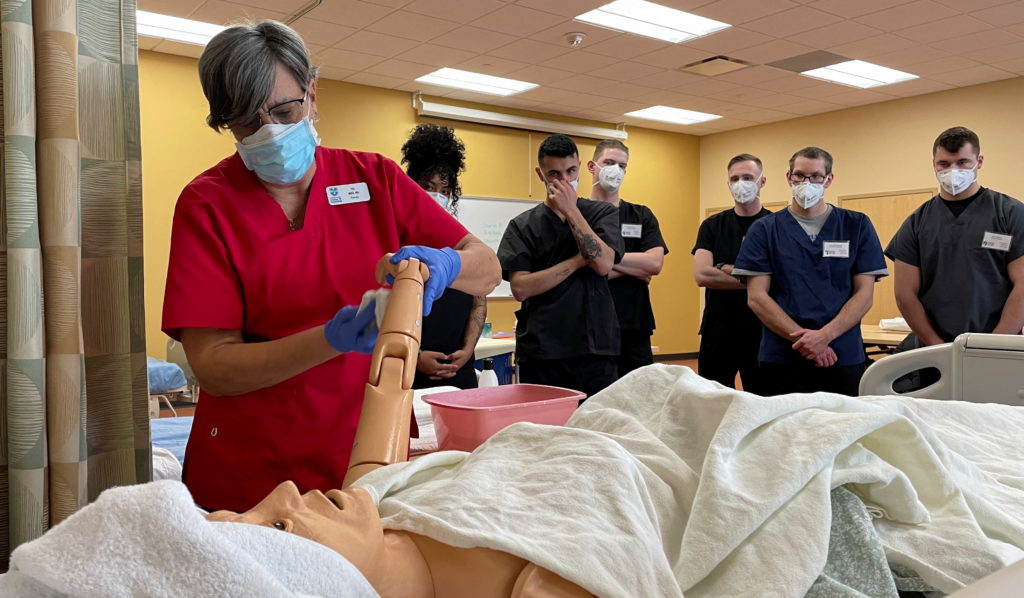
For Sydney Webb, an eight-week certified nursing assistant course meant more than the $255 registration fee. The North Carolina bartender also paid for a background check, scrubs, a stethoscope, special shoes and a state certification exam while cutting her work hours to attend classes.
“It shocked me a little bit how expensive it was,” Webb said. She hopes to become an ultrasound operator. Students in the same Forsyth Technical Community College program could soon receive additional help through Workforce Pell, a new federal grant option for eligible short-term training.
Traditional Pell grants have supported low- and moderate-income college students for decades, but qualifying programs generally needed to last at least 15 weeks and include a minimum of 600 hours. The expansion opens the program to some shorter courses that prepare students for jobs including truck driving, electrical line work, phlebotomy, IT support, firefighting and welding.
It shocked me a little bit how expensive it was.
The government began accepting applications in July and has approved an emergency medical technician program in Iowa and a medical assistant program in Indiana. Dozens of programs in North Carolina, Pennsylvania, Michigan, Louisiana and Nebraska are awaiting decisions.
The maximum Workforce Pell award would be $4,310 for a 14-week program and $1,260 for an eight-week program, according to New America. Chandler LeBoeuf of the Louisiana Community and Technical College System said the program would not cover every course and had limitations, but could help address barriers over time. The expansion took about a decade to develop, with concerns about program quality slowing progress before bipartisan support helped move it forward.
That's what excites me about Workforce Pell.
About this summary
Originally published by PBS NewsHour in English. Translated, summarized, and contextualized automatically by DistantNews, with a note on how the source frames the story. Not individually reviewed before publishing. How this works.
More Stories



From Our Blog

How the Same Story Looks Different in Different Countries

What Gets Lost (and Found) When News Is Translated

The Critical Role of Diaspora Media in Global News

What Travellers Should Know About Countries with Restricted Press

A Digital Nomad's Guide to Following Local News
