

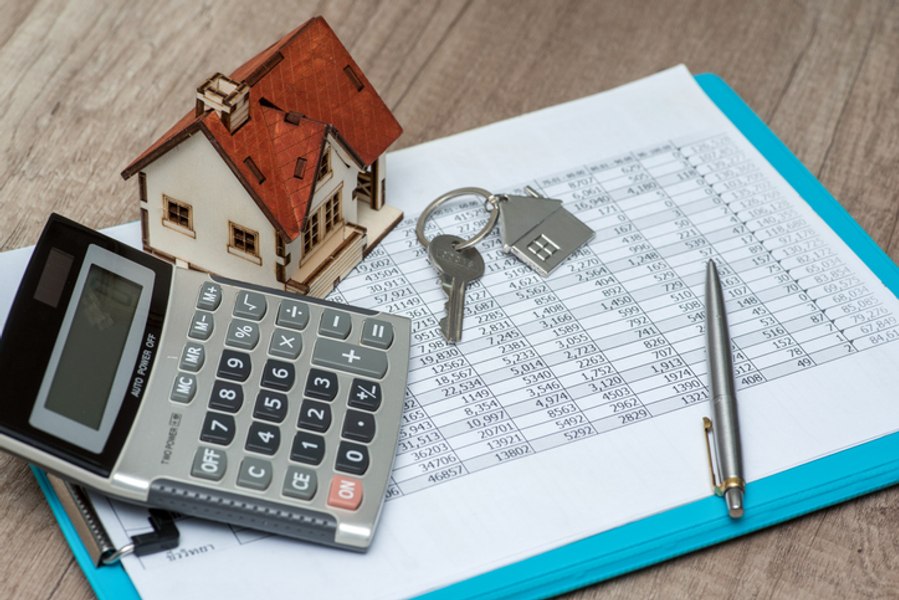

Studio Apartment in Romania Billed 70% of its Value for Electricity
Translated from Romanian and summarized by DistantNews. Read the original for the full story.
At a glance
News
Named sources
Context piece
- A Romanian company received an electricity bill of approximately 8,500 euros for a 12-square-meter studio apartment.
- The company representative stated that their industrial activities incur lower energy bills than this studio apartment's charge.
- The bill's amount is nearly 70% of the apartment's purchase price, prompting an investigation by the energy provider.
A Sibiu-based company is reeling from what it describes as an 'absurd' electricity bill, amounting to nearly 8,500 euros for a tiny 12-square-meter studio apartment. This sum, according to the company's representative, dwarfs the bills they receive for their industrial operations, which are typically around 4,000-5,000 lei. The stark contrast highlights a significant issue with the billing process, especially considering the apartment's purchase price was only around 12,000 euros, making the electricity charge a staggering 70% of its value.
We do production, we do industry, and in industry we have bills of 4,000–5,000 lei. Here we are talking about almost 40,000 lei for a studio apartment.
While the company has contacted Hidroelectrica, the energy provider, they were reportedly asked to provide photos of the meter instead of an immediate on-site inspection. The total bill, including VAT and a previous outstanding balance, reaches over 41,983 lei. This incident, reported by Turnul Sfatului and covered by Adevărul, raises serious questions about billing accuracy and customer service in Romania's energy sector. The sheer scale of the discrepancy suggests a potential error or a systemic problem that needs urgent attention from the authorities.
The studio apartment cost around 12,000 euros when we bought it, and now the electricity bill is approaching its value. It's approaching 70% of what the apartment cost us.
About this summary
Originally published by Adevărul in Romanian. Translated, summarized, and contextualized automatically by DistantNews, with a note on how the source frames the story. Not individually reviewed before publishing. How this works.
More Stories


From Our Blog

News in Translation: What Gets Lost, and How We Keep the Framing

Diaspora Media: How Communities Abroad Follow Home

Traveling Where the Press Is Not Free: How to Read the News There

The Digital Nomad's Guide to Local News

The Same Story, Different Countries: How Coverage Changes at the Border
