


Study reveals how to slow cognitive decline in Ecuador
Translated from Spanish, summarized and contextualized by DistantNews.
At a glance
News
Sources not specified
Outcome reported
- A new study reveals that cognitive decline in Ecuador can be slowed without medication through accessible habits.
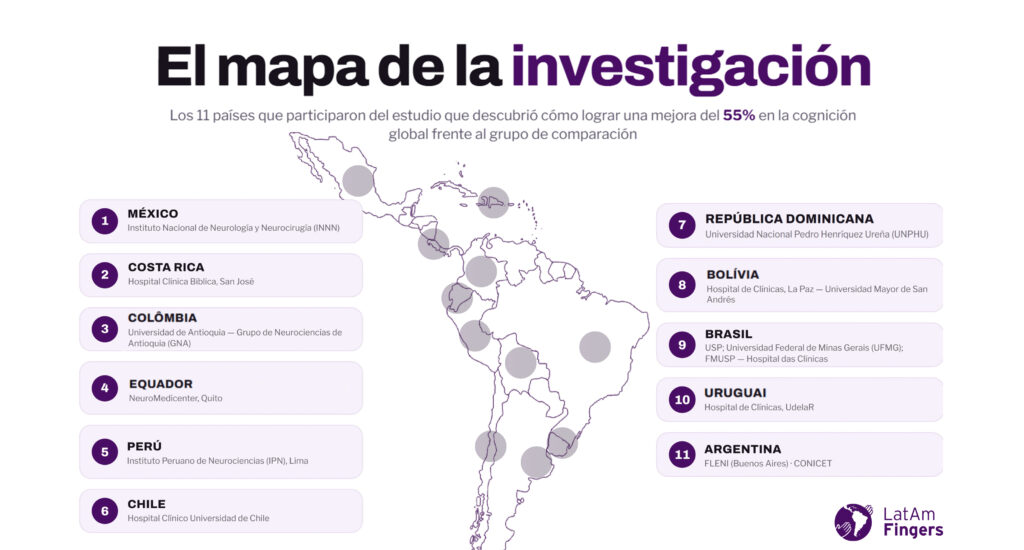
- The LatAm-FINGERS study, with a center in Quito, provides local evidence for lifestyle interventions like exercise, diet, cognitive stimulation, and cardiovascular control.
- Ecuador faces a rapidly aging population and lacks national data or public memory clinics, highlighting the urgency of preventative strategies.
Ecuador, a nation experiencing rapid demographic shifts, faces a growing challenge with cognitive decline, yet lacks dedicated public health infrastructure to address it. A recent study published in The Lancet offers a beacon of hope, demonstrating for the first time with local data that cognitive deterioration can be slowed without medication. The LatAm-FINGERS study, which includes an active center in Quito, highlights the effectiveness of accessible lifestyle changes: exercise, a healthy diet, cognitive stimulation, and cardiovascular health management.
This research is particularly significant given Ecuador's context. The country does not have a single memory clinic within its public health system, nor does it maintain a national database on cognitive decline. Current estimates for the number of individuals over 60 experiencing cognitive impairment, potentially exceeding 144,000, are derived from regional figures, not domestic data collection. The study's findings resonate deeply, as illustrated by one participant whose mother lived with Alzheimer's. She remarked, "If I had known this when my mother was alive, her life would have been very different." This sentiment underscores the profound impact such knowledge could have had on families caring for loved ones with dementia.
The study also sheds light on a critical structural gap in Ecuador's healthcare system. Neurologist Lissette Duque-Peñailillo, the principal investigator in Ecuador, pointed out the absence of a reliable database on healthy older adults prior to the LatAm-FINGERS study. This void exists as Ecuador's population ages faster than its healthcare system can adapt. Life expectancy has increased, while the birth rate has declined, leading to a growing elderly population, now comprising nearly 9% of citizens aged 65 and over. This demographic transition has direct implications for national health expenditures, making preventative strategies like those identified in the study increasingly vital.
DistantNews Editorial
Originally published by El Comercio in Spanish. Translated, summarized, and contextualized by our editorial team with added local perspective. Read our editorial standards.
More Stories


From Our Blog

What Gets Lost (and Found) When News Is Translated

The Critical Role of Diaspora Media in Global News

What Travellers Should Know About Countries with Restricted Press

A Digital Nomad's Guide to Following Local News

How the Same Story Looks Different in Different Countries
