


Submerged histories emerge as Danube levels drop at Romania's Iron Gates
Translated from Romanian, summarized and contextualized by DistantNews.
At a glance
In-depth
Sources not specified
Context piece
- The construction of the Iron Gates I hydroelectric power plant dramatically altered the Danube River and surrounding communities.
- Numerous settlements with poignant histories were submerged by the reservoir, with some ruins reappearing as the river level drops.
- The massive project, completed in 1972, involved building dams, power plants, and extensive road and rail infrastructure, displacing thousands of people.
The Danube River at the Iron Gates, a region straddling the border between Romania and Serbia, holds submerged secrets. The construction of the Iron Gates I hydroelectric power plant in the late 1960s and early 1970s transformed the landscape, flooding numerous settlements and altering the lives of communities along its banks.
As the water levels of the reservoir recede, remnants of these submerged villages and towns resurface, offering glimpses into lost histories. The ambitious Romanian-Yugoslav project involved building two hydroelectric power plants with a total installed capacity of over 2,200 MW, a dam approximately 1,278 meters long, and navigation locks. The resulting reservoir stretches about 130 kilometers along the Danube.
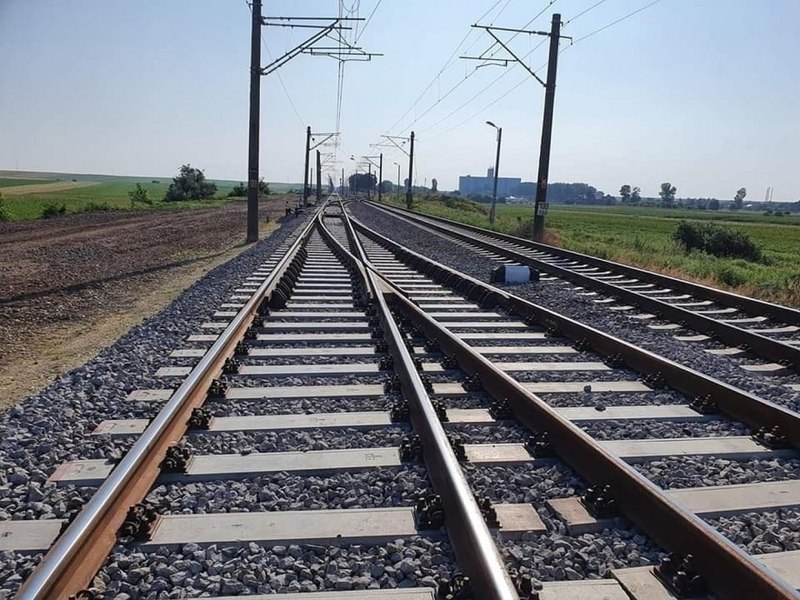
Thousands of people were displaced to make way for the reservoir. Old Orșova, a town with over 5,000 inhabitants, was relocated to higher ground, as were residents from other villages like Ada-Kaleh, Eșelnița, and Dubova. New roads and railway lines were also constructed, featuring numerous viaducts and tunnels to navigate the challenging terrain.
"The city of Orșova, the Dacian-Romanian Dierna, and the surrounding villages, as well as those in the Cazanelor Gorge, had to abandon their old territories and move to a higher level that would not be affected by the reservoir waters," recalled ethnologist Lucian. "Great dynamism, a general effervescence set everything in motion: earth, houses, and people, matter and souls."
The city of Orșova, the Dacian-Romanian Dierna, and the surrounding villages, as well as those in the Cazanelor Gorge, had to abandon their old territories and move to a higher level that would not be affected by the reservoir waters. Great dynamism, a general effervescence set everything in motion: earth, houses, and people, matter and souls.
DistantNews Editorial
Originally published by Adevărul in Romanian. Translated, summarized, and contextualized by our editorial team with added local perspective. Read our editorial standards.
More Stories

From Our Blog

What Gets Lost (and Found) When News Is Translated

The Critical Role of Diaspora Media in Global News

What Travellers Should Know About Countries with Restricted Press

A Digital Nomad's Guide to Following Local News

How the Same Story Looks Different in Different Countries
